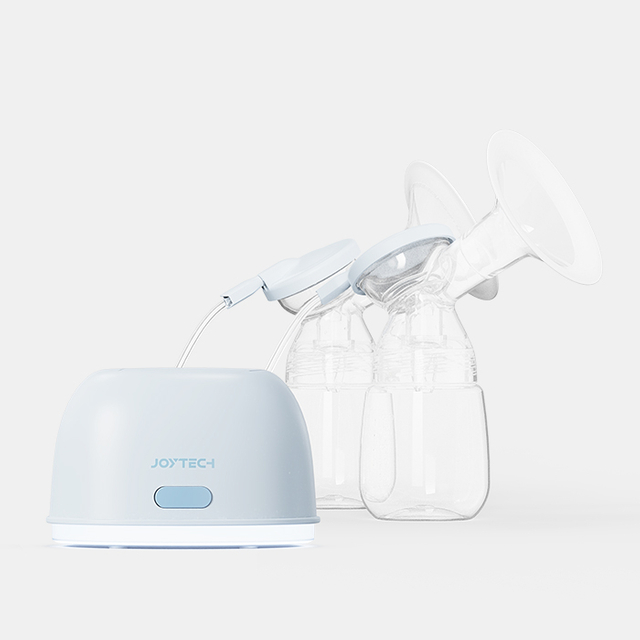
Balancing a demanding schedule alongside an infant requires immense dedication. Time limits force pumping parents to seek highly efficient, predictable milk expression solutions. Manual options and older single electric models often demand too much effort. You yield too little milk for the time spent. Transitioning to a high-quality Dual Breast Pump with LED Display specifically solves this bottleneck. This modern upgrade replaces guesswork and slow pumping sessions. It delivers simultaneous expression and precise digital tracking. This article provides an objective framework for evaluating, selecting, and successfully integrating an advanced dual pump into a busy daily routine. You will discover practical criteria to assess motor performance. You will also learn how to ensure optimal hygiene and achieve a comfortable fit every time you pump.
Key Takeaways
Time Efficiency: Dual pumping significantly reduces expression time and can help stimulate a higher prolactin response to maintain milk supply.
Precision Tracking: An LED display eliminates guesswork by providing real-time data on suction levels, pumping duration, and battery life, especially critical during night sessions.
Evaluation Criteria: The best purchasing decisions weigh motor strength, closed-system hygiene, flange fit, and battery capacity over aesthetics alone.
Adoption Realities: Long-term success requires understanding correct flange sizing, replacement part availability, and routine maintenance protocols.
The Core Challenge: Balancing Milk Output with Time Constraints
Parents face an intense daily battle against the clock. Pumping requires dedication, patience, and consistency. We must maximize milk output while minimizing the minutes spent attached to a machine.
The Yield and Time Equation
Simultaneous expression changes the entire pumping dynamic. Double pumping empties both breasts at once. This approach does more than cut your pumping time in half. It triggers a stronger physiological response. Studies show double pumping stimulates higher prolactin levels. Prolactin is the hormone responsible for milk production. A higher prolactin surge often yields milk higher in fat content. This nutrient-dense milk helps babies stay full longer. Single pumping simply cannot replicate this hormonal boost efficiently.
The Visibility Problem
Traditional pumps rely heavily on tactile buttons. Dials offer very little feedback. You sit in a dark nursery and struggle to find the right setting. You accidentally increase suction too high. It causes immediate discomfort. An illuminated digital display solves this entirely. It removes the frustration of tactile-only interfaces. A backlit screen lets you pump discreetly during late-night sessions. You never need to turn on bright room lights. Furthermore, rigid workplace schedules demand exact time tracking. A digital screen provides precise duration metrics.
Success Criteria
How do you know you chose the right device? A successful pump adoption relies on a few core indicators.
Consistent output across various sessions throughout the day.
Minimal physical discomfort during and after expression.
Seamless integration into your travel or work bag.
Intuitive operation requiring minimal mental effort.
Essential Features to Evaluate in a Dual Breast Pump with LED Display
Not all electric pumps perform equally. You must look beyond aesthetics to evaluate internal components. We need robust features to support long-term pumping goals.
Suction Power and Customization Modes
Motor strength directly impacts emptying efficiency. Manufacturers measure suction capability in millimeters of mercury (mmHg). Hospital-grade pumps typically reach 250 to 300 mmHg. Standard portable motors might max out around 220 mmHg. You need a motor robust enough to mimic a baby's natural nursing rhythm. Dual-phase technology is an absolute necessity. Pumps must start in a fast, light massage mode. This triggers the let-down reflex. The machine should then transition into a slower, deeper expression mode. Many modern units feature memory functions. Memory saves your preferred suction patterns directly on the interface. You skip the manual adjustments during your next session.
Display Functionality and Interface Readability
A screen is only useful if it tracks the right metrics. Assess exactly what the interface shows. It must display an active timer. It should clearly indicate the current mode. You need to see the exact suction intensity level. A precise battery percentage is crucial. Avoid screens showing vague battery bars. They die unexpectedly. Evaluate screen brightness adjustability. Brightness control prevents eye strain at 3 AM. Touch-panel responsiveness matters greatly. Sweat or spilled milk can make physical buttons sticky. Touch screens often wipe clean easily. A well-designed Dual Breast Pump with LED Display keeps all this data instantly readable.
Portability, Noise Levels, and Power Supply
Analyze the manufacturer's battery life claims carefully. Do not just look at total hours. Ask how many 20-minute pumping sessions a full charge delivers. You want at least three to four sessions per charge. Next, evaluate motor noise levels. Decibel ratings dictate where you can comfortably pump. Ratings below 50 decibels allow discreet pumping in office environments. They also keep sleeping infants undisturbed. Verify charging standard compatibility. USB-C charging offers immense flexibility. You can charge the pump in your car or use a laptop charger. Proprietary AC adapters restrict your mobility significantly.
Feature Category | Standard Portable Motor | Advanced Dual Motor with LED |
Suction Strength (mmHg) | 180 - 220 mmHg | 250 - 300 mmHg |
Visibility & Tracking | Blind dials or dim LEDs | Real-time metrics, exact battery % |
Noise Level | Often > 55 dB | Typically < 50 dB |
Implementation Realities: Hygiene, Fit, and Maintenance
Owning a great device is only step one. Daily use introduces new challenges. Hygiene, sizing, and cleaning dictate your long-term success.
The Importance of a Closed System
Always choose a closed-system pump. These systems feature physical barriers. A silicone diaphragm separates the milk collection kit from the tubing. Open-system pumps lack this crucial backflow protection. Closed systems prevent milk particles from entering the tubing. They keep moisture out of the motor. This completely mitigates dangerous mold risk. It also simplifies your cleaning routine. You never have to wash or sterilize the tubes.
Flange Sizing and Physical Comfort
Even the strongest motor performs poorly alongside the wrong flange size. Flanges act as the physical bridge between your body and the machine. Incorrect sizing causes severe nipple trauma. It also prevents efficient milk removal. You must measure your nipple diameter before ordering. Measure before pumping, not after. Add 2 to 3 millimeters to your measurement. This determines your ideal flange size. Many manufacturers offer silicone inserts. Inserts allow you to size down a standard 24mm flange. A soft silicone edge can greatly improve physical comfort.
Daily Assembly and Sterilization
Busy parents cannot spend hours washing tiny plastic parts. Assess the number of parts required for daily assembly. Fewer parts equate directly to faster washing. Look for setups combining the valve and backflow protector. Identify which components tolerate dishwasher heat. Check if they are sterilizer safe.
Separate parts immediately after pumping.
Rinse components in cool water to break down milk proteins.
Wash thoroughly in warm, soapy water.
Air dry parts completely on a clean rack.
Common Pitfalls in the Pumping Evaluation Process
Parents often make easily avoidable mistakes during the evaluation process. We want to bypass these costly errors.
Social media heavily promotes ultra-compact wearable pumps. They look incredibly convenient. However, warning against choosing them as your primary unit is necessary. Wearables often lack robust suction power. Their small motors struggle to empty breasts fully. If you need a primary pump, prioritize suction power over ultimate discretion.
Ignoring Replacement Part Availability
Pumping requires ongoing maintenance. Highlight the risk of buying obscure off-brand pumps. Duckbill valves lose elasticity quickly. Diaphragms stretch out over time. Tubing occasionally tears. You must replace silicone parts every one to three months. If replacement parts are hard to find, your pump becomes useless. Always verify you can order spare parts easily online.
Overlooking Battery Degradation
We must acknowledge a universal truth about electronics. All lithium-ion batteries degrade over time. After a year of heavy use, battery life drops. Emphasize the need for pumps operating while plugged in. If the battery dies mid-session, a wall adapter should override the battery. Some compact models refuse to run while charging. Avoid these if you plan to pump long-term.
Shortlisting Your Options: Making the Final Decision
You now understand the physiological and technical requirements. It is time to narrow down your choices. We must finalize the decision based on practical reality.
Identify Your Primary Use Case
Match the pump directly to your lifestyle. Do you travel heavily? You require long battery life and USB charging. Are you exclusively pumping? You need durable, high-suction motors designed for heavy daily use. Occasional pumpers might prioritize compact storage over massive battery banks.
Verify Insurance Compliance and Warranties
Check if the device qualifies as HSA or FSA eligible. Many insurance plans partially cover advanced models. Review the motor warranty lengths carefully. The industry standard usually covers one to two years. A strong warranty protects your investment against sudden motor failure.
Evaluate Customer Support
Factor in the manufacturer’s reputation. Read reviews focusing on customer service interactions. You need a company skilled at troubleshooting. They must expedite replacement parts quickly. When a pump breaks, you cannot wait two weeks for an email reply. Reliable support is just as vital as motor suction.
Pumper Profile | Lifestyle Need | Crucial Feature Priority |
Exclusive Pumper | 8+ sessions per day | Hospital-grade suction, durable motor, 2-year warranty |
Working Professional | Pumping at the office | Quiet motor (< 50dB), LED display for time tracking |
Frequent Traveler | Pumping on planes/cars | USB-C charging, high-capacity lithium-ion battery |
Conclusion
An advanced dual electric breast pump represents a direct investment in a mother's time, physical comfort, and peace of mind. Balancing raw motor power, accurate digital tracking, and realistic maintenance dictates how successful your pumping journey will be.
Measure your exact nipple diameter before ordering any equipment.
Review your daily schedule to identify your core power and portability needs.
Select a closed-system pump offering accessible replacement parts.
Commit to a daily cleaning routine preventing mold and bacterial growth.
Take control of your daily routine. Evaluate your options carefully, select the right technology, and regain precious hours every week.
FAQ
Q: How much time does a dual electric breast pump save compared to a single pump?
A: Double pumping cuts your actual expression time exactly in half by emptying both breasts simultaneously. Furthermore, the dual stimulation triggers a stronger let-down reflex. This hormonal boost allows you to express milk faster and more efficiently than a single pump ever could.
Q: Why is an LED display necessary if I just pump at home?
A: An LED display removes guesswork in any environment. At home, it allows you to pump in a dark bedroom without waking your baby. It also tracks your exact session duration and suction levels, ensuring you maintain a consistent routine without checking a phone or clock.
Q: How often do I need to replace the parts on my electric breast pump?
A: Silicone parts require frequent replacement to maintain optimal suction. You should replace duckbill valves and silicone membranes every one to three months, depending on how often you pump. Hard plastic flanges and bottles usually last up to six months before needing replacement.
Q: Can a dual electric breast pump be used as a single pump if needed?
A: Yes. Most modern dual pumps allow you to cap off one side of the tubing. This feature converts the machine into a single pump. It is highly convenient if you need to nurse your baby on one side while pumping the other.
Q: What is the difference between hospital-grade suction and standard dual pumps?
A: Hospital-grade pumps feature stronger, heavier motors capable of reaching higher suction levels (often up to 300 mmHg). They endure heavy, exclusive daily pumping for years. Standard dual pumps use smaller, lighter motors designed primarily for portability and moderate daily use.