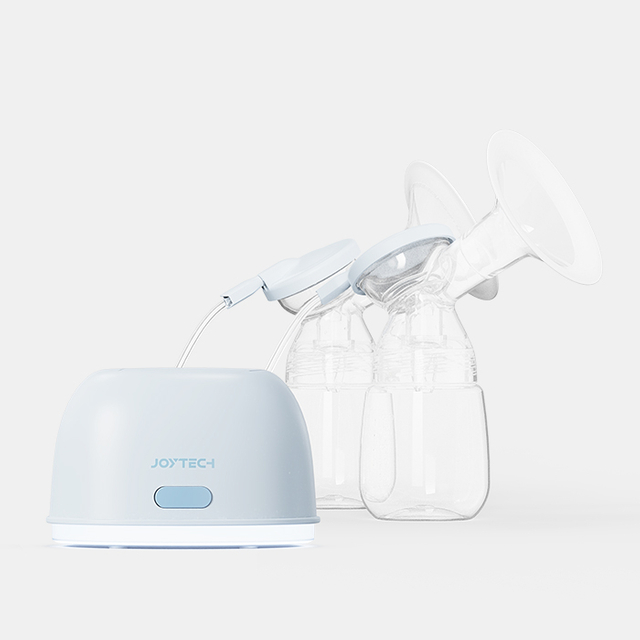
Of all the breast pump categories a maternal care brand carries, the dual electric pump with an LED display is the one where the gap between a well-engineered unit and a poorly engineered one is hardest to spot from a factory sample alone. Two units can look nearly identical on a conference room table and perform very differently after three months of daily use. This guide focuses specifically on what makes simultaneous dual-side expression and digital tracking technically different from single pumping or basic LED indicator products, and what that difference should mean for your sourcing checklist when evaluating a Dual Breast Pump with LED Display supplier.
What Actually Changes When You Move From Single to Dual Pumping
Buyers sometimes assume a dual pump is simply "two single pumps running at once," but the engineering requirement is different. Driving two collection cups simultaneously at a consistent suction level requires a motor and air-channel design capable of maintaining stable pressure across both sides without one side lagging behind the other. A motor undersized for dual operation will often show uneven suction between left and right channels, which end users notice quickly and which generates a disproportionate share of return and complaint volume in this category compared to single-pump products.
This is the first thing sourcing teams should ask a prospective factory to demonstrate: side-by-side pressure consistency data for both channels, not just a single combined suction figure. A supplier that cannot produce this data separately for each channel may be quoting a motor that was originally designed for single-pump use and adapted rather than engineered for dual operation from the start.
Why Dual Expression Changes the Product's Retail Story
The commercial case for this category rests on a specific physiological mechanism: simultaneous stimulation of both breasts is associated with a stronger prolactin response than sequential single-side pumping, which is why dual pumps are typically marketed around time efficiency rather than comfort alone. This matters for how brand owners should brief their factory — the marketing claim your team plans to use downstream (faster sessions, higher efficiency) needs to be supported by motor specification data your supplier can actually produce, not assumed from the product category alone.
Pumping Mode
Engineering Requirement
Typical Retail Marketing Angle
Single Pump
One motor channel, simpler pressure regulation
Entry price point, occasional use
Dual Pump (Basic)
Two channels sharing one regulation circuit
Mid-tier, "double pump" labeling only
Dual Pump (Balanced Channels)
Independent pressure regulation per channel
Premium tier, consistent-output claims
What the LED Display Should Actually Be Tracking
Not all LED displays in this category track the same data, and the difference affects both unit cost and what your packaging can legitimately claim. Ask your supplier to specify exactly which of the following the display is engineered to show, since "LED display" alone is not a complete specification:
Per-channel suction reading — whether the display shows one combined reading or two independent channel readings, which matters if your marketing intends to claim balanced dual-side output.
Session timer accuracy — confirm whether the timer is driven by the main control board or a separate, lower-cost display chip, since the latter can drift out of sync during longer sessions.
Battery percentage versus battery bars — a numeric percentage reading requires more precise battery management firmware than a simple multi-bar indicator, and the two should not be quoted at the same cost.
Component Sourcing Behind the Screen
The display itself is frequently the least transparent component in a factory quote, because several different display technologies can be marketed under the same "LED display" description. Request the actual panel type, the expected operating temperature range, and any moisture-resistance rating for the display module specifically, separate from the overall housing's ingress protection rating. This distinction matters because a housing can be rated for incidental splashes while the display panel underneath uses a lower-grade sealing method that was not designed for the same exposure.
Closed-System Engineering Specific to Dual Channels
A closed-system design needs to function independently on both channels. Ask your supplier whether the backflow-protection diaphragm is duplicated per channel or shared through a single junction point before the motor. A shared junction point is typically a lower-cost design choice, but it also means a failure on one side's diaphragm can expose the shared section to moisture risk affecting both channels. Buyers prioritizing long-term reliability over unit cost should specify independent per-channel protection in their purchase agreement.
Flange Sizing in a Dual-Channel Context
Flange fit issues are often more noticeable in dual pumping because asymmetry between breasts is common, and a single fixed flange size applied to both sides can leave one side underperforming. Suppliers offering a silicone insert system allow end users to size each side independently without purchasing two separate product configurations — a detail worth highlighting in retail packaging copy if your supplier can confirm this capability in writing.
Documentation to Request Before Finalizing a Purchase Order
Per-channel suction pressure test data, not a single combined figure.
Display panel specification sheet, separate from the overall housing IP rating.
Backflow-protection design diagram showing whether protection is per-channel or shared.
CE/MDR technical files matched to your destination market.
Warranty terms broken out by component (motor, battery, display), since failure rates differ across these parts.
Planning for Replacement Parts in a Dual-Channel Product
Because a dual pump has two full sets of wear components, distributors should confirm whether duckbill valves and diaphragms are sold as matched left/right pairs or as interchangeable single units. Interchangeable single units are generally easier for distributors to stock, since they reduce the number of distinct SKUs needed to support after-sales replacement part sales.
Aligning Supplier Capability With Your Distribution Channel
Channel
Primary Buyer Priority
Key Documentation Needed
E-commerce / DTC
Price competitiveness, fast fulfillment
Standard CE/MDR files, retail packaging artwork
Retail Chain
Consistent quality across large order volumes
Per-channel test data, batch consistency records
Hospital / Institutional
Documented motor and safety performance
Full technical files, motor test reports, warranty terms
Insurance / HSA-FSA
Eligible product classification
Product classification documentation, billing codes support
Working With a Manufacturing Partner on This Category
Joytech Healthcare manufactures dual electric breast pumps with LED display under OEM and ODM programs, with documentation available covering motor performance, display specification, and closed-system design for both channels. We can walk your team through current compliance documentation for your specific target market during the sourcing review.
Next Steps for Sourcing Teams
If your team is evaluating a dual electric breast pump supplier for a flagship SKU launch, institutional retail program, or insurance-channel listing, our sales engineering team can provide sample units, full technical documentation, and tiered pricing based on your target configuration.
Contact our OEM/ODM team at marketing@sejoy.com to request samples and a sourcing proposal for the Dual Breast Pump with LED Display line.
FAQ for Buyers and Distributors
Q: How can I verify a supplier's "balanced dual-channel" claim before placing an order?
A: Request independent pressure-test data for the left and right channels separately, measured under the same test conditions. A supplier unable to provide this is likely reporting a single combined figure rather than verified per-channel performance.
Q: Can the display firmware be customized for private-label branding?
A: Boot-screen graphics can typically be adjusted within existing firmware. Changes to what data the display tracks may require additional engineering scope, which our team can quote during the technical review.
Q: Are replacement valves sold as left/right matched pairs or interchangeable units?
A: This depends on the specific product configuration. We can confirm part interchangeability for your selected model during the sourcing discussion so your distribution team can plan SKU count accordingly.
Q: What compliance documentation is available for this product line?
A: We provide CE/MDR technical files and quality documentation appropriate to your destination market. Specific certification scope for the production line is confirmed directly with our compliance team during the sourcing process.