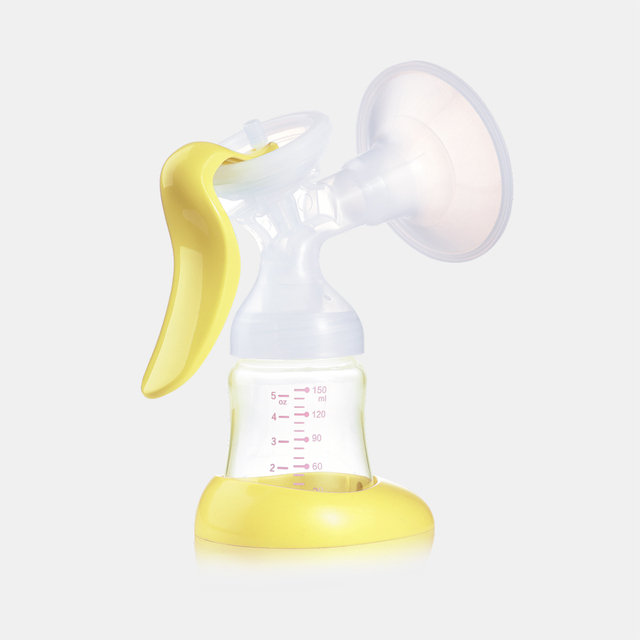
Wearable electric pumps dominate marketing campaigns, but they cannot solve every use case in a brand's maternal care lineup. Retail buyers, hospital procurement teams, and private-label brand owners consistently look for one category that wearables cannot replace: a compact, battery-free manual breast pump positioned as a backup or entry-level SKU. For sourcing teams evaluating suppliers, the question is not whether a manual pump is trendy — it is whether the manufacturer can deliver a consistent, compliant, and easy-to-private-label product at scale.
This guide outlines the technical and commercial criteria distributors, retailers, and OEM/ODM brand owners should use when evaluating a Portable Quiet Manual Breast Pump supplier, and explains why this category continues to earn shelf space alongside electric and wearable lines.
Why Manual Pumps Remain a Strategic SKU for Maternal Care Brands
Buyers building out a maternal care assortment typically need more than one price point and use case. A manual press-lever pump fills the role of an affordable companion product: it is designed for quick, occasional sessions, requires no charging infrastructure, and is straightforward to bundle with electric or wearable lines as an accessory or travel-friendly add-on. For retailers and distributors, this translates into a lower price-point SKU with strong bundle and gift-set potential.
From a category management perspective, manual pumps also reduce return and warranty exposure. Electronic products carry battery-related defect risk, firmware complaints, and higher post-sale support costs. A manual, mechanical product removes most of these variables, which is one reason many distributors keep at least one manual SKU in their maternal care catalog even as electric and wearable units capture more marketing attention. For brand owners managing limited customer service resources, this lower support burden is a meaningful, if often overlooked, commercial advantage.
Market Positioning Advantages for Distributors
No battery or electronic components, which simplifies import compliance and reduces logistics complexity for cross-border distributors.
Lower unit cost supports private-label margin targets and entry-level retail price points.
Pairs naturally with hospital and pharmacy retail channels, where a no-electronics product is often preferred for institutional use.
Lighter, smaller packaging reduces freight cost per unit compared with motorized product lines, which can meaningfully improve landed cost for high-volume distributors.
Simplifies after-sales service structures, since there is no firmware, charging port, or battery cell to warranty.
Where This SKU Fits in a Tiered Product Strategy
Most successful maternal care brands structure their breast pump offering across three tiers: an entry-level manual unit, a mid-tier wearable or single electric pump, and a premium dual electric model with advanced display features. The manual pump anchors the entry tier and frequently serves as a gateway product — a buyer's first purchase, a hospital gift-bag inclusion, or a low-risk add-on at checkout. Distributors that stock this tier consistently report stronger cross-sell rates into higher-margin electric products, since customers who start with a manual pump often upgrade once their pumping frequency increases.
Core Technical Specifications Buyers Should Evaluate
Not every manual pump on the market is engineered to the same standard. Brand owners and distributors should request the following specification details before finalizing a supplier:
Ergonomic Lever Design
A soft-touch, easy-grip handle is designed to support smooth, low-effort compressions, which is a key differentiator buyers can highlight in retail packaging and product listings.
Part Count and Hygiene Engineering
Products engineered with four or fewer components are easier for end consumers to disassemble and clean, and they reduce the support ticket volume distributors typically receive related to missing valves or confusing assembly.
Flange Compatibility and Insert System
A modular flange system, supported by soft silicone inserts, allows a single SKU to serve a wider range of end users — a meaningful advantage for brand owners that want to minimize SKU proliferation while still addressing fit variability.
Material and Sterilization Standards
Food-grade, BPA-free silicone and durable polycarbonate components are designed to withstand repeated high-heat sterilization cycles, supporting the durability claims brand owners need for retail and institutional channels.
Tooling and Customization Flexibility
For brand owners planning a private-label launch, it is worth confirming whether the manufacturer's existing tooling supports color, handle shape, or packaging customization without requiring a full new mold investment. Suppliers with modular tooling can typically accommodate brand-specific variations at a lower upfront cost, which shortens the path from initial inquiry to a sellable, branded SKU.
Evaluation Criteria
What to Request From Your Supplier
Part Count
Component breakdown and assembly diagram
Material Certification
BPA-free and food-grade material test reports
Flange System
Available sizes and insert compatibility
Sterilization Tolerance
Validated high-heat/steam cycle data
Tooling Flexibility
Customization options and minimum tooling investment
Manual Press-Lever vs. Silicone Collector: Positioning Two Different Product Lines
Sourcing teams frequently bundle manual press-lever pumps with passive silicone collectors under one "manual accessories" category, but the two serve different retail purposes and should be marketed accordingly.
Feature
Press-Lever Manual Pump
Silicone Collector
Mechanism
User-controlled, active suction
Passive, constant negative pressure
Retail Positioning
Backup/travel pump, gift sets
Let-down catcher, accessory add-on
Price Point
Mid-low
Low/impulse-buy
Brand owners building a tiered maternal care line often carry both, positioning the press-lever pump as the more capable backup tool and the silicone collector as a low-cost accessory.
From Specification to Shelf: What OEM/ODM Partners Should Provide
A reliable manufacturing partner does more than produce a part to spec. Distributors and brand owners evaluating a manual breast pump supplier should confirm the partner can support:
Private-label packaging and artwork customization for retail and e-commerce channels.
Documentation supporting CE/MDR compliance for the target market.
Consistent component tolerances across production runs to protect long-term retail quality scores.
Flexible MOQs suited to both established retail chains and growing DTC brands.
Responsive sample turnaround so marketing and merchandising teams can validate fit and packaging before committing to a full production run.
Clear lead-time communication for peak retail seasons, such as baby fairs and major promotional periods.
It is also worth evaluating how a supplier handles after-launch support. Distributors frequently need replacement valve sets, spare flanges, or updated packaging artwork after the initial launch. A manufacturing partner that maintains accessible spare-parts production and quick-turn artwork updates reduces the operational friction of running a private-label maternal care line over multiple seasons.
Why Work With an ISO 13485 Certified Manufacturer
As an ISO 13485 certified breast pump manufacturer, Joytech Healthcare supports OEM and ODM programs for global distributors, brand owners, and healthcare-channel buyers. Our manufacturing capability covers manual, electric, and wearable breast pump lines, allowing brand partners to build a multi-tier maternal care assortment with a single, compliant supply chain.
Working with a single, vertically capable supplier also simplifies vendor management for growing brands. Rather than coordinating separate factories for manual, electric, and wearable product lines, brand owners can consolidate sourcing, quality audits, and compliance documentation under one manufacturing relationship — reducing administrative overhead while maintaining consistent quality standards across the full product range.
Next Steps for Sourcing Teams
If your team is evaluating a manual breast pump supplier for a private-label program, distributor catalog, or institutional retail channel, our sales engineering team can provide sample units, compliance documentation, and MOQ/pricing tiers tailored to your market.
Contact our OEM/ODM team at marketing@sejoy.com to request samples and a sourcing proposal for the Portable Quiet Manual Breast Pump line.
FAQ for Buyers and Distributors
Q: What certifications does Joytech's manual breast pump line carry?
A: Our manual breast pump production is supported under our ISO 13485 quality management system, with CE/MDR documentation available for distributors entering the EU market. Specific certification scope is confirmed per product configuration during the sourcing process.
Q: Can this product be private-labeled?
A: Yes. The product is designed to support OEM and ODM programs, including custom packaging, branding, and configuration adjustments based on your target retail channel.
Q: What MOQ applies for distributors testing a new market?
A: MOQs vary by configuration and customization level. Our team can outline tiered MOQ options during the initial sourcing discussion.
Q: Is this product suitable for hospital or pharmacy retail channels?
A: The manual, battery-free design is frequently selected for institutional and pharmacy channels where buyers prefer products without electronic components. Final suitability depends on your local regulatory requirements.