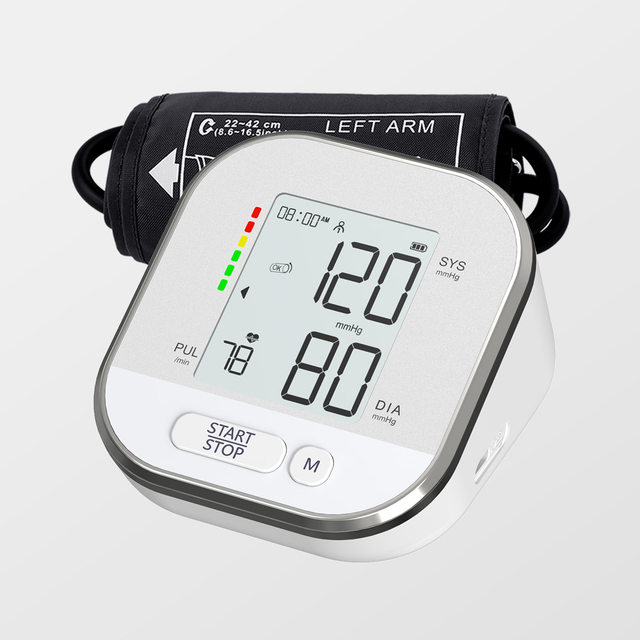
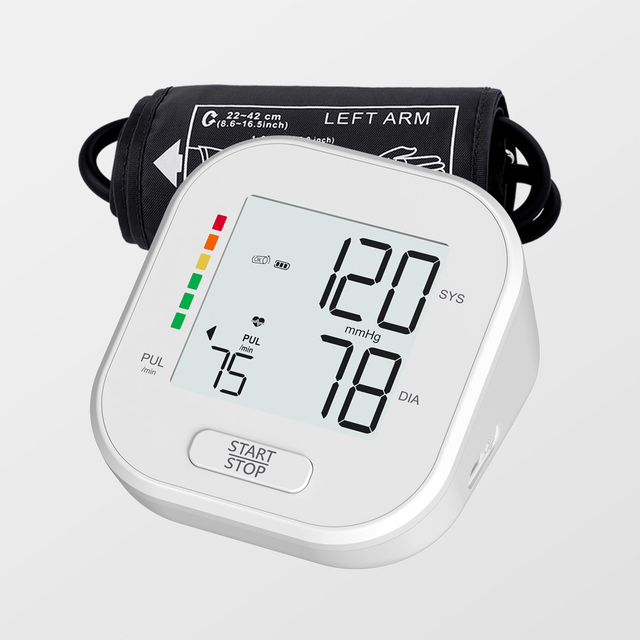
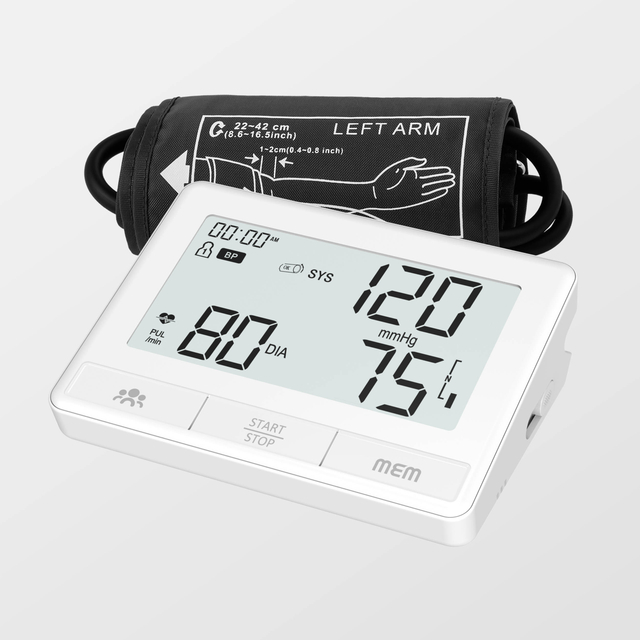
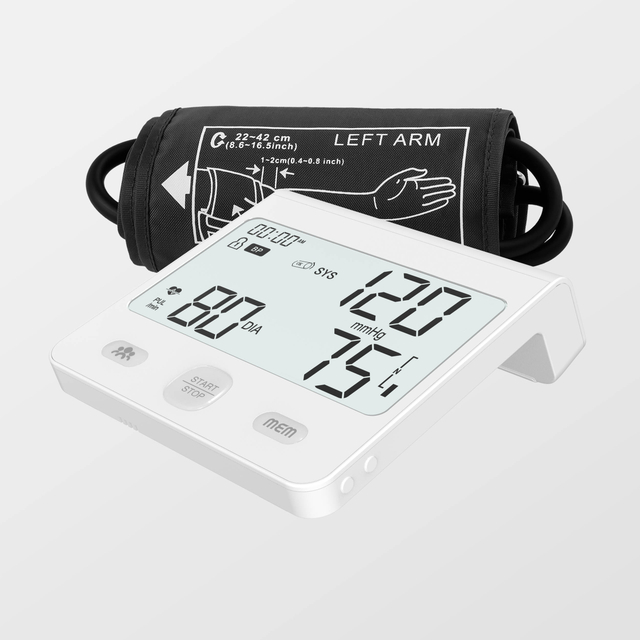
A blood pressure monitor may offer a clear display, wireless connectivity, multiple memories, or ECG-related functions, but these features have limited commercial value when buyers cannot establish confidence in measurement accuracy. For medical-device brands, distributors, healthcare channels, and e-commerce sellers, calibration and accuracy verification influence product approval, customer complaints, after-sales costs, and long-term brand credibility. Understanding how calibration differs from validation also helps procurement teams assess technical files, supplier support, device configurations, and lifecycle requirements before introducing a blood pressure monitor to a target market.
Why Calibration Is a Procurement Issue, Not Only a Clinical Detail
Calibration generally involves comparing a measuring device with an accurate reference and correcting its output when the device permits adjustment. Validation serves a different purpose: it evaluates a model through an approved protocol to determine whether it satisfies defined performance criteria for its intended population and use environment. A validated model can still require periodic accuracy checks, maintenance, or manufacturer service during its operating life. Procurement teams should therefore avoid treating regulatory clearance, clinical validation, factory testing, and field calibration as interchangeable evidence.
This distinction directly affects B2B risk management. A blood pressure monitor that develops an unnoticed measurement deviation can produce inconsistent comparisons between home, pharmacy, retail demonstration, and clinical settings. Even when the device itself is functioning correctly, damaged cuffs, leaking tubing, unsuitable cuff sizes, poor positioning, or environmental conditions can create results that users interpret as a product defect. These situations can increase returns, negative marketplace reviews, distributor support requests, and pressure on private-label warranties. Regular inspection, documented accuracy checks, and clear operating instructions help channel partners separate device-related issues from technique-related variation.
Calibration requirements also depend on the measurement architecture. Research involving cuffless blood pressure estimation, for example, may use recalibration to update an individual algorithm against reference measurements. That process is different from checking an oscillometric cuff-based blood pressure monitor against calibrated test equipment. Buyers should define the product technology first and then request the applicable validation, verification, servicing, and recalibration process rather than applying one generic requirement to every device category.
What Buyers Should Verify Before Approving a Blood Pressure Monitor
The first purchasing question should not be limited to whether a supplier describes a blood pressure monitor as accurate. Buyers need model-specific evidence covering the intended market, user population, cuff range, measurement method, and applicable standards. For automated non-invasive cuff blood pressure monitors, standards such as ISO 81060-2 define clinical investigation requirements for evaluating measurement performance. Regulatory teams should confirm the applicable standard edition and documentation requirements for each registration project. Company-level certificates are useful, but they should not replace product-level documentation for the exact model and configuration being ordered.
A practical supplier review can separate four related controls:
Control
What It Evaluates
B2B Procurement Value
Clinical validation
Model performance under a recognized protocol
Supports product selection and technical-file review
Calibration or accuracy verification
Comparison with an appropriate reference
Identifies measurement deviation or service needs
Functional inspection
Cuff, tubing, display, power, inflation, and housing
Reduces avoidable field failures and returns
Technique control
Cuff fit, position, rest, movement, and repeated readings
Helps distinguish usage errors from device faults
Model selection should also reflect the planned channel. Joytech’s Smart Arm Blood Pressure Monitor is engineered with an oscillometric method, measure-on-inflation operation, irregular-heartbeat detection, a blood-pressure risk indicator, two-user memory, and optional Bluetooth, ECG, talking, and backlight functions. Its listed specifications include ±3 mmHg pressure accuracy and a standard 22–36 cm cuff. Such configurable functions allow a brand or distributor to define entry, connected, or enhanced variants without treating calibration evidence as a substitute for product differentiation.
For purchasing teams, the useful question is how each configuration will be documented and supported. An OEM version with different firmware, accessories, packaging, language prompts, power arrangements, or cuff sizes may require its own controlled specification set. Buyers should confirm what appears on the label, manual, declaration, test report, packaging, and registration documents before mass production. This alignment helps reduce discrepancies between the approved sample, sales listing, and delivered batch.
Calibration Must Be Supported Across the Product Lifecycle
A calibrated blood pressure monitor program begins before shipment rather than after complaints appear. Importers and private-label brands should agree with the manufacturer on sample approval, incoming inspection, lot documentation, storage conditions, complaint investigation, and service responsibilities. The inspection plan can include visual checks, inflation and deflation operation, pressure-system testing, display and button functions, accessory confirmation, and comparison with appropriate reference equipment. The required method and acceptance criteria should come from the applicable standard, manufacturer instructions, quality agreement, and target-market rules.
After products enter the channel, verification records become especially useful for healthcare distributors, pharmacy networks, hospital suppliers, and remote-monitoring programs that manage multiple devices. Each record should identify the device, date, reference equipment, procedure, result, technician, and resulting action. A failed unit may require repair, replacement, further investigation, or return to the manufacturer; it should not be adjusted informally by sales staff or end users. Automated devices should follow the manufacturer’s approved inspection and service procedures rather than being treated like manually adjustable instruments.
A comparison against a clinical reference can also be used when readings appear unreasonable, but this should be described accurately. A structured workflow may use several sequential same-arm readings from the home device and a reference device, followed by comparison of the results. This procedure can provide an indication of device agreement under controlled conditions, but it is not necessarily the same as internal factory calibration. Channel training materials should maintain that distinction so customer-service teams do not suggest that a quick side-by-side reading can formally certify a device.
Lifecycle planning should cover accessories as well as the monitor. Cuffs, connectors, tubing, batteries, adapters, and carrying cases affect usability and may influence measurement consistency or complaint rates. Distributors should establish replacement-part availability, approved accessory references, inspection intervals, and escalation procedures with the blood pressure monitor manufacturer. This preparation is particularly valuable for institutional accounts that expect traceable maintenance and predictable after-sales support.
Device Design Can Reduce Avoidable Accuracy Complaints
Calibration cannot correct every poor reading because many variations originate from cuff fit, movement, arm support, body position, or insufficient rest. A procurement specification should therefore combine accuracy evidence with design features that help users follow the intended measurement process. Motion indicators, cuff-fit prompts, position indicators, large displays, automatic operation, and repeated-reading averages can support more consistent use. Appropriate cuff sizing remains particularly important because an unsuitable cuff can contribute to underestimation or overestimation.
Joytech’s Bluetooth ECG Blood Pressure Monitor combines measure-on-inflation operation with Bluetooth connectivity, single-channel ECG measurement, excessive-movement indication, cuff-tightness indication, two-user BP memory, and multiple optional cuff circumferences. For distributors, these attributes support a connected cardiovascular-monitoring category, while movement and cuff indicators may help address common usage questions in product pages and support materials.
Wrist products serve a different commercial position. They offer compact dimensions and portable use, but the sales channel must communicate positioning requirements clearly because wrist height can affect measurement conditions. The Dual-User Wrist Blood Pressure Monitor includes excessive-movement indication, two sets of 150 memories, last-three-result averaging, and optional Bluetooth, talking, backlight, and position-indicator functions. It is listed at approximately 114 grams, allowing buyers to build a compact travel or e-commerce assortment while using the optional position prompt to support clearer user guidance.
These design features do not remove the need for calibration control or correct technique. Their B2B value lies in reducing preventable confusion and giving distributors clearer points for product segmentation, staff training, listing content, and after-sales troubleshooting. A channel partner can position an upper-arm blood pressure monitor for mainstream home-health ranges, a connected ECG model for data-oriented portfolios, and a wrist model for compact assortments. The final selection should still be based on market authorization, intended use, validation evidence, cuff coverage, support capability, and customer profile.
Conclusion
A calibrated blood pressure monitor supports more than measurement performance; it contributes to product approval, channel confidence, complaint control, and responsible lifecycle management. Buyers should evaluate validation evidence, accuracy-check procedures, cuff coverage, usage-support features, documentation, and service capability as one connected procurement system. As an experienced medical-device manufacturer, Joytech Healthcare offers upper-arm, connected ECG, and wrist configurations alongside OEM, ODM, and quality-management support. Overseas brands and distributors can contact Joytech to discuss product selection, customization, samples, target-market documentation, quotations, and long-term cooperation requirements.
To discuss a blood pressure monitor program or request category-level details and full technical specifications, contactsale14@sejoy.com.
FAQ
Q: Why is calibration important for a blood pressure monitor?
A: Calibration or accuracy verification helps identify measurement deviation, supports quality records, and reduces the risk of inconsistent readings, avoidable returns, and channel complaints.
Q: Are validation and calibration the same process?
A: No. Validation assesses a model under a recognized protocol, while calibration compares a device with a reference and may include adjustment or manufacturer service.
Q: How often should a blood pressure monitor be checked?
A: The interval should follow manufacturer instructions, applicable regulations, device usage, service history, institutional policy, and any unusual discrepancy reported during operation.
Q: Can distributors calibrate an automatic monitor themselves?
A: Automated devices should follow authorized service procedures. Distributors may perform approved checks, but internal adjustment should be handled by qualified personnel or the manufacturer.
Q: What documents should OEM blood pressure monitor buyers request?