Home » News » Product Insights » Breast Pump Materials, Accessories, and Validation Documentation: A Compliance Checklist for Brand Owners Selecting a Manufacturer
Breast Pump Materials, Accessories, and Validation Documentation: A Compliance Checklist for Brand Owners Selecting a Manufacturer
Views: 0 Author: Site Editor Publish Time: 2026-09-18 Origin: Site
When a breast pump program moves from concept to production, the commercial conversation usually starts with form factor, suction modes, and price. The compliance conversation starts somewhere else: what the pumped milk actually touches, which parts ship inside the box, and which documents a manufacturer can produce when a regulator, a notified body, or a retail compliance team asks for them.
For private-label and OEM buyers, breast pump materials, breast pump accessories, and breast pump validation documentation are not three separate workstreams. They are one system, and a gap in any of them tends to surface late — as a registration delay, a marketplace listing removal, or a warranty claim that traces back to a part nobody documented.
Breast Pump Materials— What to Confirm at the Milk-Contact Interface
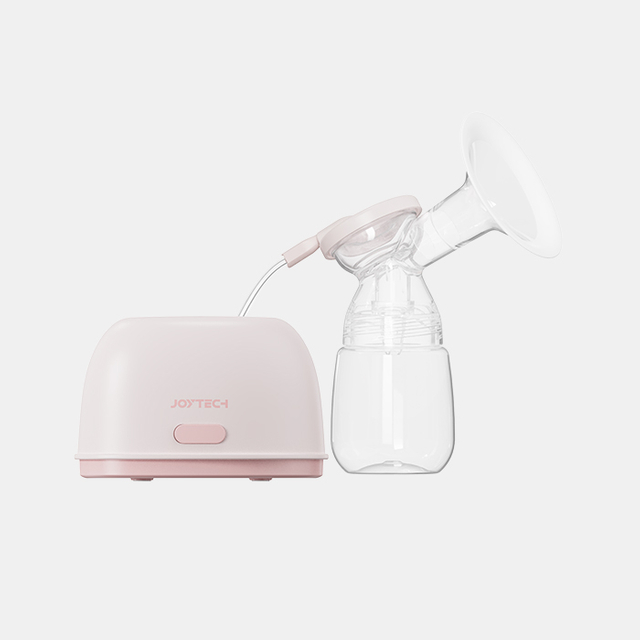
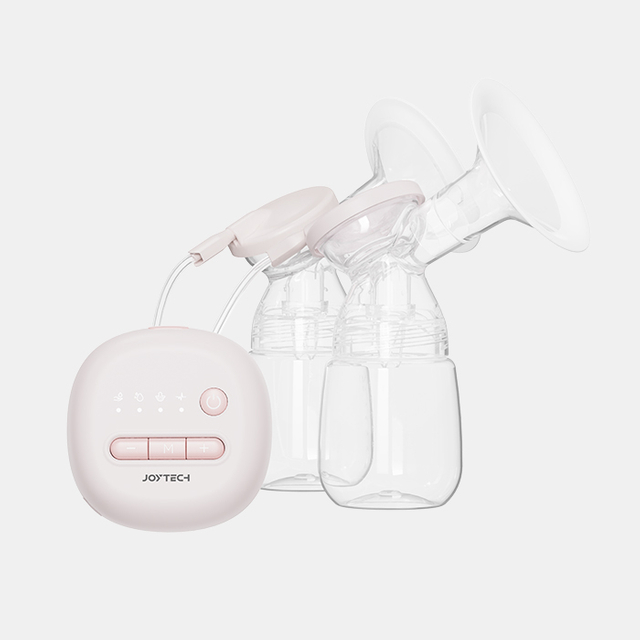
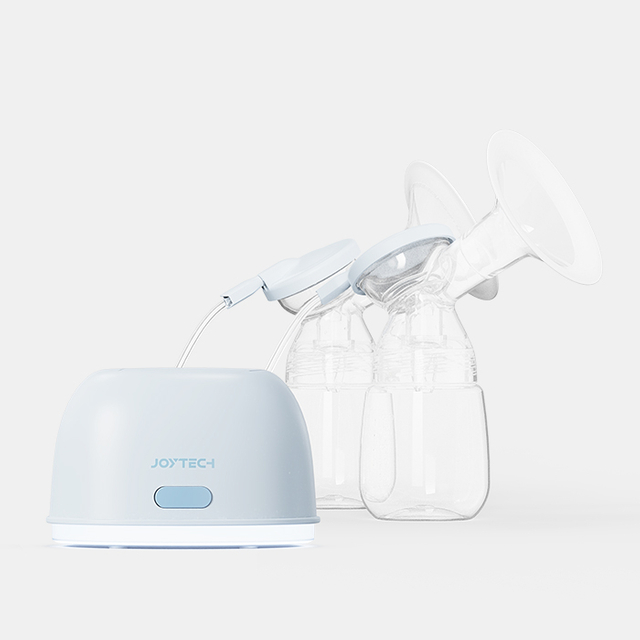
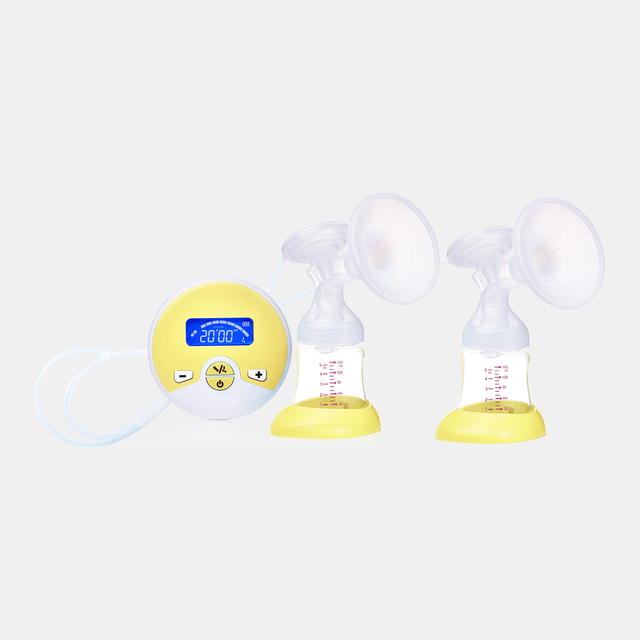
For an electric breast pump, the materials question has little to do with housing color or display finish. It concentrates on the parts that contact breast tissue or breast milk: the breast shield or flange, the milk collection kit and bottle, the valve and membrane, any tubing, and the seals and connectors inside the suction path.
Two design decisions set the scope of that work before any test is requested:
Open system versus closed system. In a closed-system pump, a physical barrier keeps milk out of the tubing and away from the motor and pneumatic path. That limits the milk-contact surface to the collection kit and reduces the number of components that need milk-contact evidence.
Reusable versus single-use milk-contact parts. Parts intended for repeated cycles, such as flanges and collection kits, need cleaning and reuse validation that single-use parts do not.
The table below sets out what a brand owner typically needs to confirm, component area by component area.
Component area
Typical material role
What the brand owner should confirm
Breast shield / flange
Silicone or rigid polymer contacting breast tissue and milk
Biocompatibility evidence for skin and milk contact; declared sizes and tolerances; how optional sizes are specified in the technical file
Collection kit, bottle, valve, membrane
Food-contact polymer and elastomer parts in the milk path
Food-contact compliance for the destination market; BPA-free declaration; cleaning and disinfection instructions the material is validated to withstand
Tubing and suction-path seals
Elastomer tubing and connectors
Whether the design is closed system (no milk in tubing); if open, milk-contact evidence and replacement intervals
Motor housing, controls, power
Engineering plastics, display, battery
Electrical safety and EMC evidence for the electrical configuration; label, marking, and language requirements
Packaging and printed materials
Carton, inserts, IFU
Transport and shelf-life validation where applicable; IFU language coverage for each destination market
One recurring failure mode is worth naming. A brand owner approves a sample in one configuration; production then substitutes a second-source elastomer for the valve, or a different silicone grade for the flange. The substitute may perform equivalently, but the documentation set is now inaccurate. Change control over milk-contact materials should therefore be agreed in writing before mass production, not negotiated after a batch is on the water.
Breast Pump Accessories — Where Compliance Programs Usually Slip
Accessories carry disproportionate compliance risk because they multiply the SKU count and change more often than the pump itself. A single base unit can generate a dozen sellable configurations once flange sizes, bottles, and carrying options are counted.
Breast shield sizing. A 24 mm breast shield is a common standard, with optional sizes available on the same platform. Each size is a separate part with its own drawing and tooling, and each should be reflected in the approved specification rather than treated as a variant of the base unit.
Bottles and feeding-related parts. If a program ships bottles or milk storage containers, child-use and food-contact requirements such as EN 14350 may apply alongside the device requirements, depending on the part and the market.
Valves, membranes, and tubing. These consumable parts drive repeat purchase and after-sale activity. Approved part references should be locked, and a change to a consumable should be treated as a documentation event, not a production detail.
Spare-part and service strategy. Brand owners should define which accessories are offered as spares, the intended availability window, and whether distributors reorder against the same controlled specification.
Customization items. Logo, color, and breast shield size are the most common for LD series programs. Each one is a configuration, and each should appear in the approved specification so that the shipped unit, the listing content, and the technical file describe the same product.
Breast Pump Validation Documentation— The Checklist to Request
The clearest way to manage this area is a written checklist sent to the manufacturer before the program is awarded. The exact set depends on intended use, classification, and destination market, and a manufacturer should be willing to state clearly when a category does not apply rather than forward a generic certificate in its place.
Document category
What it typically covers
Why the brand owner needs it
Quality system
ISO 13485 certificate with stated scope; MDSAP where applicable
Underpins every other document and is routinely requested in retailer and notified body audits
Biocompatibility
Evaluation of skin- and milk-contact materials against the ISO 10993 series, including chemical characterization where used
Supports the materials declaration in the technical documentation
Food-contact and material compliance
Destination-market food-contact requirements for milk-path polymers; BPA-free declaration; RoHS and REACH where relevant
Covers the parts that hold or convey milk, and the electronic and polymer components subject to substance restrictions
Risk management
Summary of the ISO 14971 risk management file for the model
Required element of technical documentation; supports usability and IFU decisions
Electrical safety and EMC
Test reports for the electrical configuration against IEC 60601-1 and IEC 60601-1-2
Core evidence for registration of a powered breast pump
Performance verification
Design verification of suction levels, modes, and vacuum limits against defined specifications
Supports performance claims and separates product variants for channel positioning
Cleaning, disinfection, and reuse
Validation of the cleaning process described in the IFU, plus reuse-cycle data for reusable milk-contact parts
Keeps published instructions consistent with tested material performance
Packaging, transport, and labeling
Transport and packaging validation where applicable; label, IFU, and UDI data
Reduces transit-damage claims and supports market authorization
Regulatory and market access
Declaration of conformity, applicable per-model certificates such as CE MDR, and 510(k) status where relevant
Confirms which markets the exact configuration may actually enter
Two habits make this checklist work. First, request documentation per model and per configuration, because a company-level certificate says nothing about the unit being ordered. Second, ask for the document list to be reviewed again whenever a milk-contact material, accessory, or power configuration changes — that is exactly the point at which a compliant program quietly becomes a non-compliant one.
How Joytech Supports Brand Owner Compliance Programs
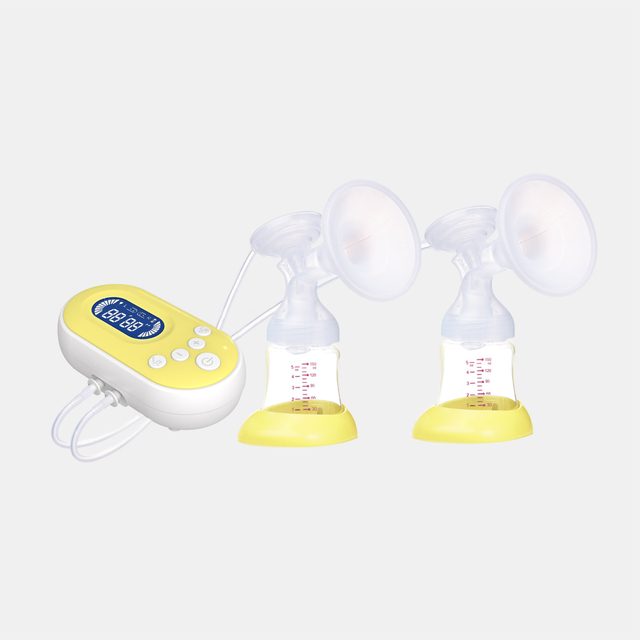
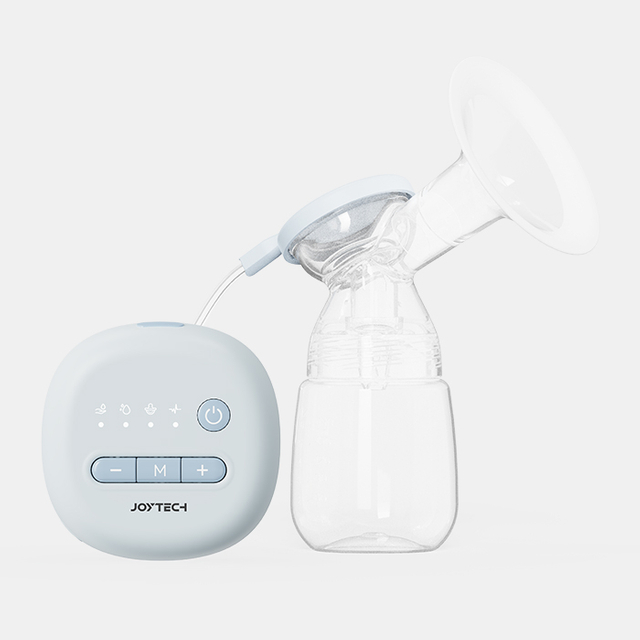
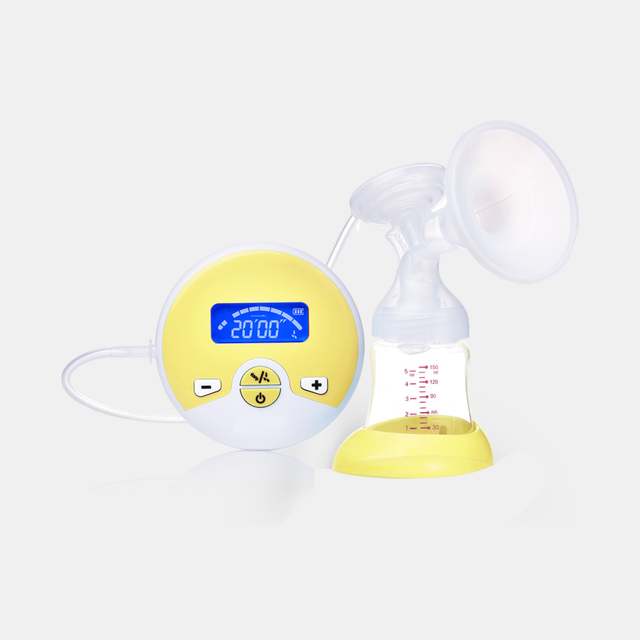
Joytech Healthcare manufactures breast pumps within the LD series, a range that spans standard electric, double electric, rechargeable, and hands-free configurations.
Milk-contact design. LD series models list BPA-free materials, a 24 mm breast shield as standard with optional sizes available, and on models such as theLD-209 a closed-system, anti-backflow structure with fully detachable, easy-to-clean components.
Configurable platforms. Four pumping modes across nine suction levels, LED display, optional night lamp, and rechargeable lithium battery, Type-C, or AA power let a brand define entry, standard, and enhanced variants from one platform.
Quality and certification. Manufacturing sits under ISO 13485, MDSAP, and BSCI certified quality systems, with CE MDR and FDA coverage available on select models. Certification coverage is confirmed per model and per destination market rather than applied across the range.
Customization. Logo, color, and breast shield size customization are supported within OEM and ODM programs.
Capacity and engineering. 3 manufacturing centers, 260,000 m² of automated facilities, 30+ production lines, 100+ patented innovations, and a dedicated breast pump R&D team and production line support program-scale production.
Partner with Us
A breast pump program is only as defensible as the documents behind its materials and accessories. Joytech works with distributors, brand owners, and OEM/ODM buyers to align milk-contact material selection, accessory configuration, and validation documentation with the markets a program is built for.
To discuss a breast pump program, request a documentation checklist, or arrange evaluation samples, contact sale14@sejoy.com.
FAQ
Q1: Which breast pump materials require the most documentation?
The parts that contact breast tissue or breast milk carry the heaviest requirement: breast shields, collection kits, bottles, valves, membranes, and any tubing or seals in the suction path. Housing and display materials are generally covered by electrical safety, EMC, and substance-restriction evidence instead.
Q2: Are breast pump accessories covered by the same documents as the pump?
Not automatically, and this is a common gap. Accessories such as alternate flange sizes, bottles, and replacement valves may introduce their own food-contact, child-use, or material requirements in addition to the pump's device documentation. Each accessory configuration should be confirmed against the destination market.
Q3: What is the difference between a company certificate and model-specific validation documentation?
A company certificate, such as an ISO 13485 scope certificate, describes the quality system. Model-specific validation documentation describes the exact unit being ordered — its materials, its accessories, its electrical configuration, and its verified performance. Retailers and regulators generally expect both, and the second is the one that supports a specific registration.