Selecting a blood pressure monitor supplier involves more than comparing unit prices or choosing a device with an attractive display. Importers, healthcare brands, distributors, pharmacies, e-commerce sellers, and institutional buyers must consider validation, market access, cuff coverage, product positioning, data functions, manufacturing stability, and customization. A poor sourcing decision may create registration delays, channel mismatch, returns, or avoidable portfolio complexity. A structured supplier evaluation helps procurement teams choose configurations that fit their target market while building a more manageable and commercially sustainable blood pressure monitor program.
Start With Validation, Market Access, and Cuff Strategy
A blood pressure monitor should first be evaluated as a measurement device rather than as a collection of marketable functions. Independent validation is particularly important because an attractive housing, mobile application, or large memory capacity does not demonstrate measurement performance. Buyers should request validation reports for the exact model and cuff configuration under consideration, including any documentation needed by distributors, healthcare organizations, or regulatory representatives. Recognized validated-device criteria examine factors such as independent testing, accepted protocols, regulatory clearance, and whether the tested cuff sizes are available for the intended population.
Regulatory documentation must also match the destination market and proposed sales channel. A consumer pharmacy line, hospital procurement program, telehealth project, and private-label e-commerce range may face different documentation, labeling, language, and post-market requirements. Procurement teams should therefore confirm which approvals apply to each blood pressure monitor model rather than relying only on a factory-level certificate. Joytech Healthcare develops its portfolio under ISO 13485 and MDSAP quality systems, with CE MDR- and FDA-compliant models and selected ESH-validated configurations presented within its blood pressure monitor range.
Cuff strategy deserves equal attention because fit affects both measurement quality and commercial coverage. An incorrectly sized cuff may contribute to misleading readings, while a narrow size range can exclude part of a distributor’s intended user population. Buyers should map likely arm circumferences in the target market, verify which cuff sizes were included in validation, and decide whether the sales package needs a standard cuff, wide-range cuff, or separate size options. Multiple cuff choices can also support institutional tenders, pharmacy programs, and healthcare projects serving diverse populations.
Match Product Architecture to Each Sales Channel
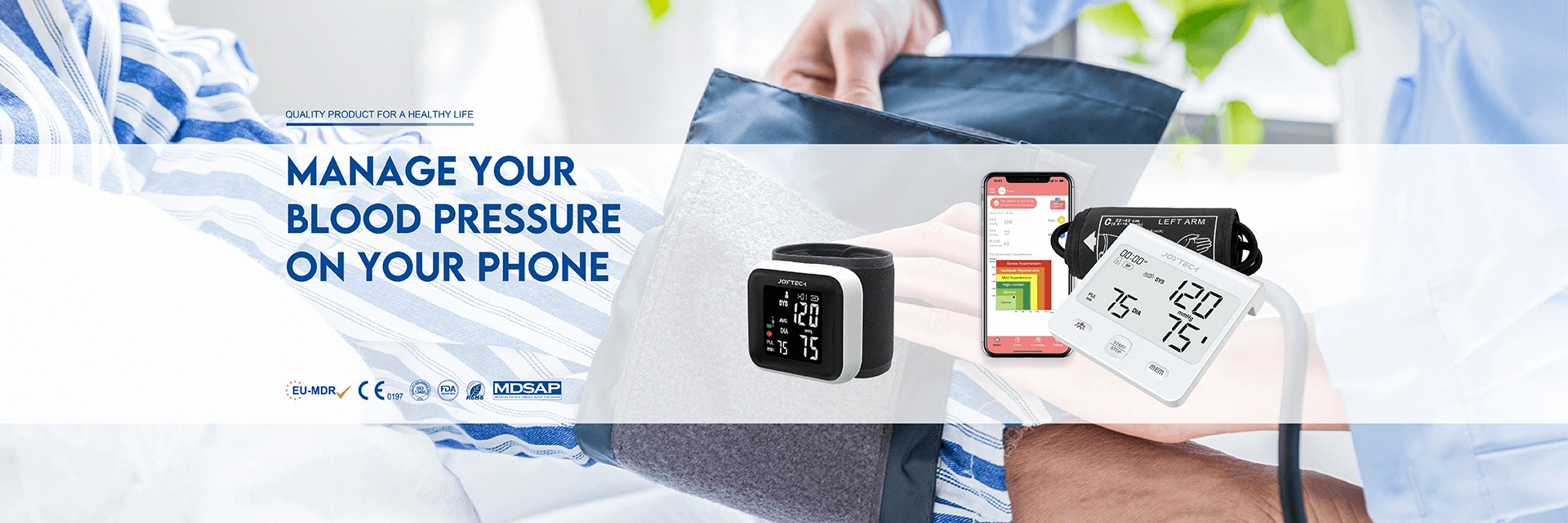
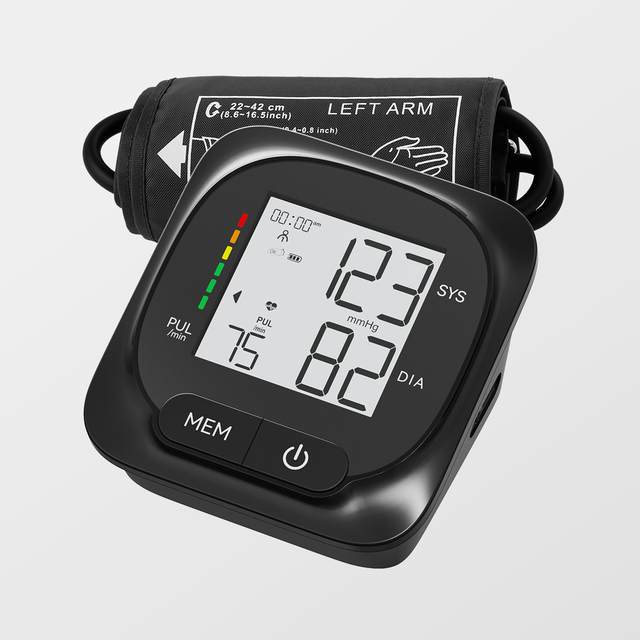
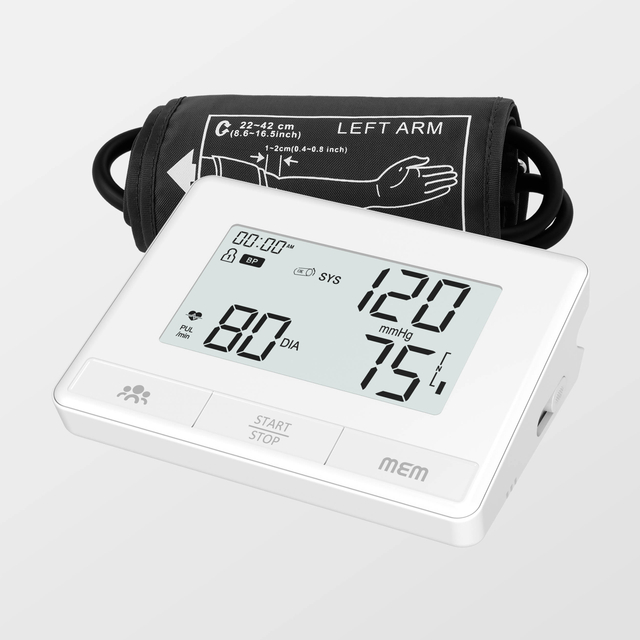
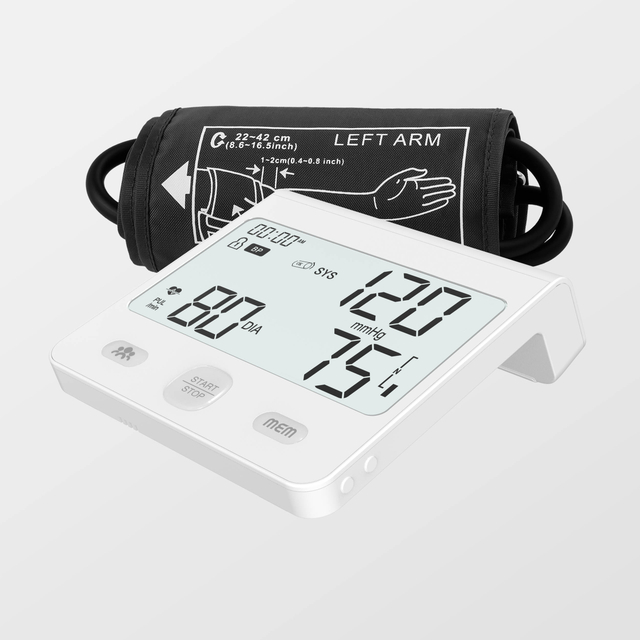
A supplier with a broad blood pressure monitor range allows buyers to create clear price tiers instead of relying on one configuration for every channel. Joytech’s Blood Pressure Monitors include upper-arm, wrist, smart, LED, tubeless, and ECG-integrated categories. Available portfolio functions include oscillometric measurement, multi-user memory, LCD or LED displays, optional voice guidance, Bluetooth or 4G connectivity, irregular heartbeat indicators, and selected advanced monitoring functions. This breadth can help a distributor position entry, connected, portable, and advanced models without sourcing unrelated platforms from multiple factories.
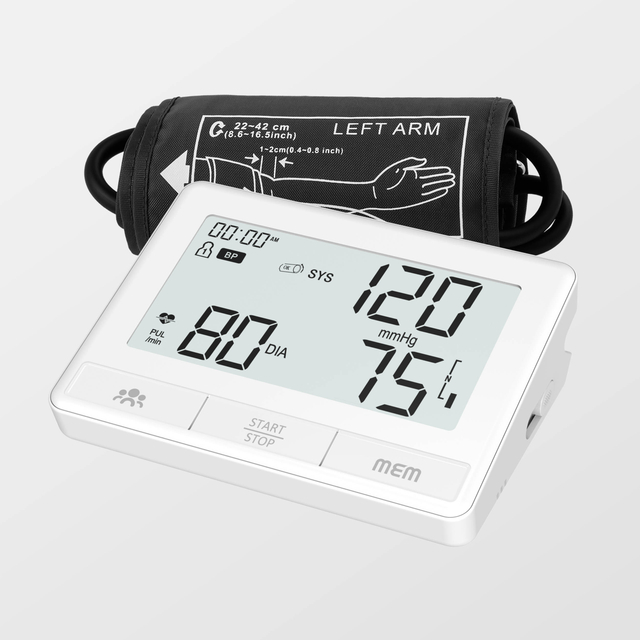
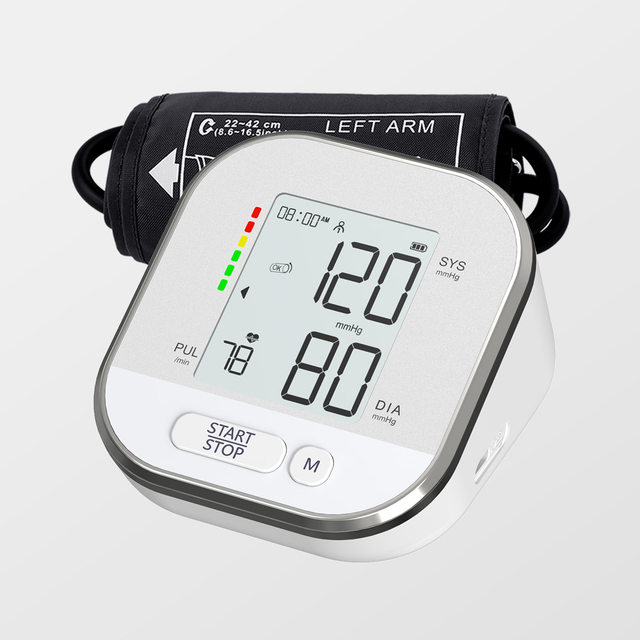
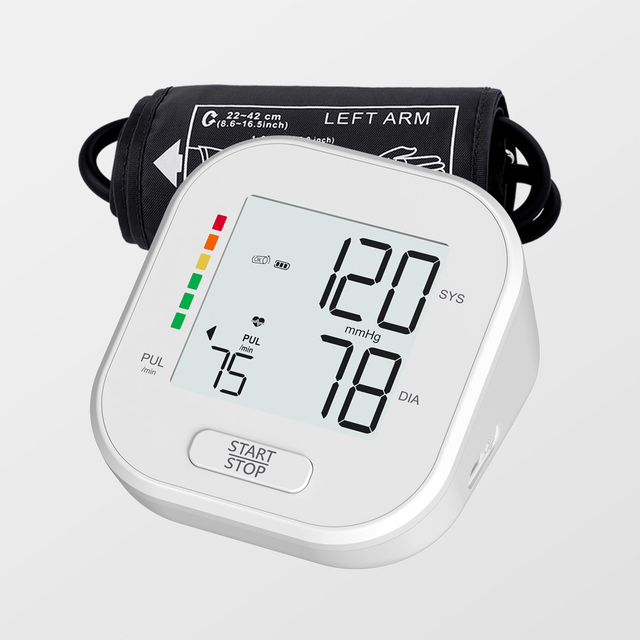
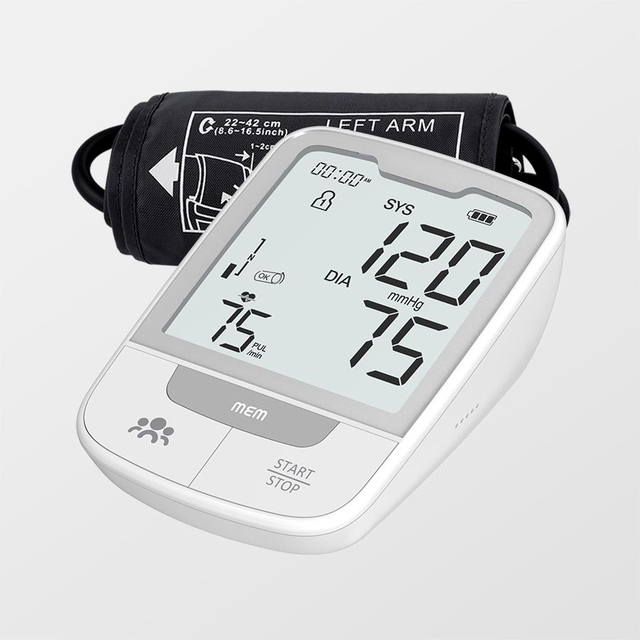
For mainstream retail, pharmacy, and home-monitoring programs, an automatic upper-arm blood pressure monitor is often the practical core product. Upper-arm models are generally preferred in clinical guidance because wrist measurements can be more sensitive to positioning and user technique. Buyers should still examine display readability, button layout, cuff application, memory structure, power options, packaging size, and instructions for use. These details influence training needs, online reviews, returns, customer-service workload, and the ease with which distributors can explain product differences.
A portable line can address e-commerce, travel-oriented retail, mobile healthcare, or compact home-health assortments. Joytech’s Tubeless BP Monitors use integrated upper-arm structures that reduce external tubing and simplify storage. The category includes one-piece designs as well as models with rechargeable power, Bluetooth, backlight, or voice options. For B2B customers, this architecture creates a visible point of differentiation while supporting smaller packaging concepts and streamlined product demonstrations. Buyers should nevertheless assess cuff positioning, charging format, carrying protection, and the intended channel before treating portability as the primary purchase criterion.
Connected and advanced models can support higher-value assortments, remote-monitoring projects, and healthcare brands developing digital product ecosystems. Bluetooth, Wi-Fi, or cellular functions may transfer readings to an application, dashboard, or compatible platform, while memory provides continuity when transmission is unavailable. Procurement teams should examine pairing steps, user assignment, data export, privacy responsibilities, application maintenance, and market-specific connectivity costs. A connected blood pressure monitor should be selected because its data pathway supports the intended program, not simply because wireless capability appears attractive in a specification table.
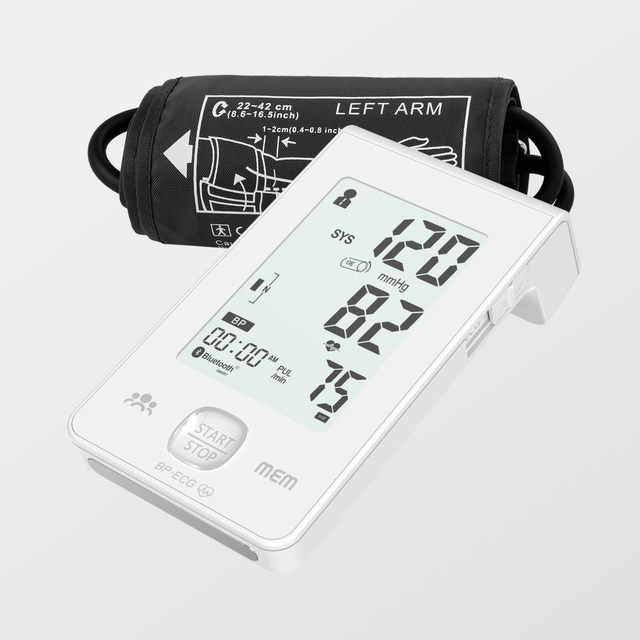
For advanced cardiovascular-monitoring lines, Joytech’s ECG Blood Pressure Monitors combine upper-arm blood pressure measurement with a single-channel ECG function in one device category. Selected models include inflation measurement, Bluetooth connectivity, application support, and switching between BP and ECG modes. These configurations may suit healthcare brands, specialized distributors, telehealth portfolios, and premium retail segments seeking broader data functions. Marketing materials should describe the engineering and monitoring functions accurately without presenting the device as a substitute for professional diagnosis or making unsupported health-outcome claims.
Evaluate the Manufacturer Behind the Product Sample
A successful sample confirms only that one blood pressure monitor can meet an initial review. It does not show how consistently the supplier can manage incoming materials, calibration, assembly, software versions, packaging, inspections, documentation, or production changes across repeated orders. Procurement teams should review the quality-management system, production layout, test procedures, traceability methods, nonconforming-product controls, change-notification process, and corrective-action workflow. For connected devices, the assessment should also cover firmware control, application updates, compatibility testing, and responsibility for technical support after launch.
Joytech Healthcare is a medical device manufacturer and supplier with more than 30 production lines and manufacturing sites in China and Cambodia. These capabilities can support distributors and brand owners that need scalable production across multiple home-health categories. Buyers should still align order forecasts, model mix, packaging complexity, inspection requirements, and regulatory schedules with the factory before confirming commercial volumes.
OEM and ODM capability should be assessed as an execution process rather than a logo-printing service. A capable blood pressure monitor supplier should clarify which elements can be adapted, such as housing color, branding, packaging, manuals, cuff combinations, display language, voice language, connectivity, application interface, or market-specific configuration. The buyer should also request timelines for artwork approval, engineering review, sample confirmation, validation implications, pilot production, and mass-production release. Joytech offers private-label, hardware, software, and market-specific customization together with registration and production support, allowing B2B customers to discuss projects at different levels of complexity.
Documentation responsiveness is another practical indicator of supplier readiness. Slow or incomplete files can delay distributor onboarding, tenders, marketplace verification, and regulatory submissions even when the physical blood pressure monitor is acceptable. Before placing a large order, request a controlled document list and identify which party will provide declarations, certificates, labels, reports, manuals, product images, technical files, and change notifications. The same process should define approval responsibility so that packaging or software changes are not introduced without review by the brand owner or authorized regulatory team.
Calculate Lifecycle Cost Instead of Comparing Unit Price Alone
The lowest quoted price may not produce the lowest program cost. A procurement model should include the monitor, cuff configuration, adapter or batteries, accessories, packaging, labeling, freight volume, duties, registration work, inspection, application support, replacements, and customer-service requirements. Extra functions can strengthen product positioning, but they also affect component cost, training, software maintenance, and return risk. Buyers should connect every specification to a channel requirement and remove features that do not support the intended retail, healthcare, e-commerce, or distributor proposition.
Power supply and durability also affect deployment economics. Battery-only models may suit basic retail packages, while AC power, USB charging, or rechargeable designs may be more suitable for frequent use or markets where replacement batteries create added cost. Cuffs, connectors, fasteners, and cables are wear components, so replacement availability and inspection guidance should be reviewed for institutional programs. For connected blood pressure monitor projects, ongoing application compatibility, data transmission, subscription requirements, and technical support can become more important than the initial hardware discount.
Commercial terms should be examined with the same discipline as technical specifications. Buyers need clarity on minimum order quantities, sample costs, tooling, customization thresholds, production scheduling, inspection arrangements, spare-part policy, packaging changes, and forecast flexibility. These items do not need to be identical for every project, but they should be documented before launch. A supplier that communicates constraints early may be easier to manage than one that accepts every request during negotiation and introduces limitations after artwork, registration, or sales planning has begun.
Use a Procurement Scorecard Before Contracting
A scorecard helps technical, regulatory, marketing, and purchasing teams compare a blood pressure monitor supplier using the same evidence. Each criterion should receive a weight based on the project: validation and market access may dominate a healthcare tender, while packaging, connectivity, and price segmentation may carry more weight in an e-commerce range. Buyers should score documents and tested samples rather than relying on presentation claims. Any unresolved item should be recorded with an owner, required evidence, and completion date before the purchase contract advances.
Evaluation Area
Procurement Question
Evidence to Request
Validation
Was the exact model and cuff configuration independently evaluated?
Validation report and model-equivalence documents
Market access
Does the configuration match the destination market?
Applicable certificates, declarations, labels, and manuals
Product fit
Does the device suit the target channel and user population?
Samples, cuff options, function matrix, and packaging details
Manufacturing
Can repeat orders maintain controlled specifications?
Quality certificates, process controls, inspection plan, and change procedure
OEM/ODM
Which hardware, software, and branding elements can be adapted?
Feasibility review, sample plan, responsibilities, and approval schedule
Commercial support
Are supply and service terms clear?
Quotation, MOQ, production plan, spare-part policy, and support scope
A pilot order can then test more than the blood pressure monitor itself. It can reveal how the supplier handles artwork, samples, documentation, production communication, inspections, packing, shipment preparation, and corrective actions. Procurement teams should review pilot results before expanding the model range or committing to a long-term forecast. Businesses evaluating private-label products, connected configurations, market-specific documentation, or multi-tier assortments can contact Joytech Healthcare to discuss an OEM or ODM feasibility review, product recommendations, customization requirements, quotations, and potential cooperation models.
Conclusion
Selecting a blood pressure monitor supplier requires balanced review of validation, cuff strategy, regulatory readiness, channel fit, connectivity, lifecycle cost, and production control. Features create commercial value only when they address a defined retail, distributor, healthcare, or digital-monitoring requirement. Joytech Healthcare is a medical device manufacturer and supplier offering multiple blood pressure monitor architectures, OEM and ODM customization, certified quality systems, and scalable production. Buyers can contact Joytech Healthcare to discuss product configurations, private-label requirements, regulatory documentation, project quotations, and cooperation options.
FAQ
Q: What should B2B buyers check first when selecting a blood pressure monitor?
A: Start with model-specific validation, cuff compatibility, destination-market documentation, intended use, and supplier quality systems before comparing optional functions or unit prices.
Q: Why is cuff selection important for distributors?
A: Appropriate cuff coverage supports a broader intended population and reduces channel complaints related to poor fit, difficult application, or unsuitable product configurations.
Q: Should every blood pressure monitor include Bluetooth?
A: No. Bluetooth is commercially useful when applications, dashboards, or data programs support the target channel. Basic retail ranges may prioritize simpler operation and lower complexity.
Q: What is the value of a tubeless blood pressure monitor?
A: A tubeless structure can support portable positioning, compact storage, distinctive merchandising, and streamlined demonstrations, provided the design matches the intended market and user workflow.
Q: What should an OEM blood pressure monitor quotation include?
A: It should define configuration, cuff, accessories, packaging, customization, MOQ, sampling, documentation, inspection, production schedule, shipping terms, and applicable technical-support responsibilities.