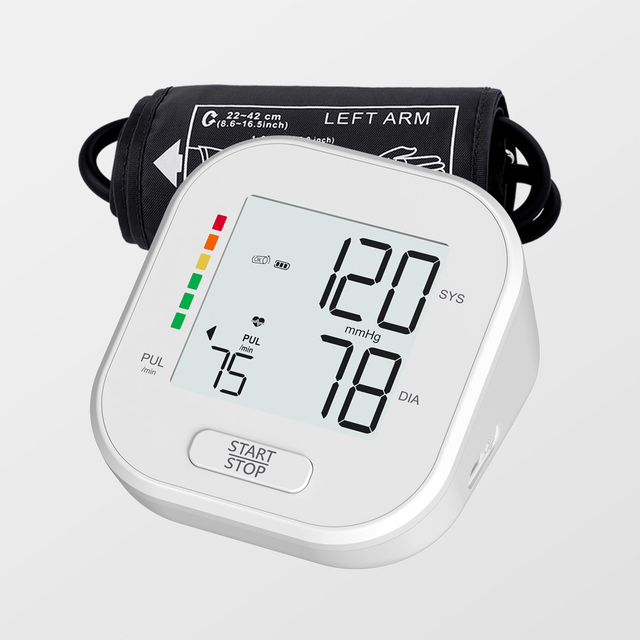
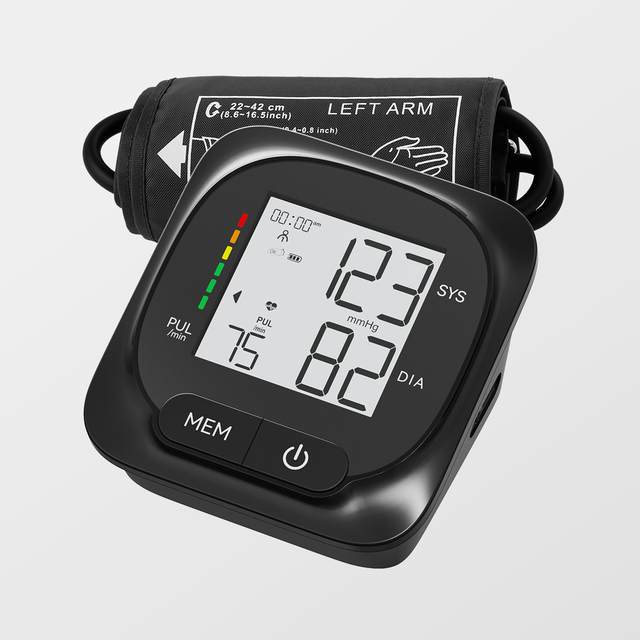
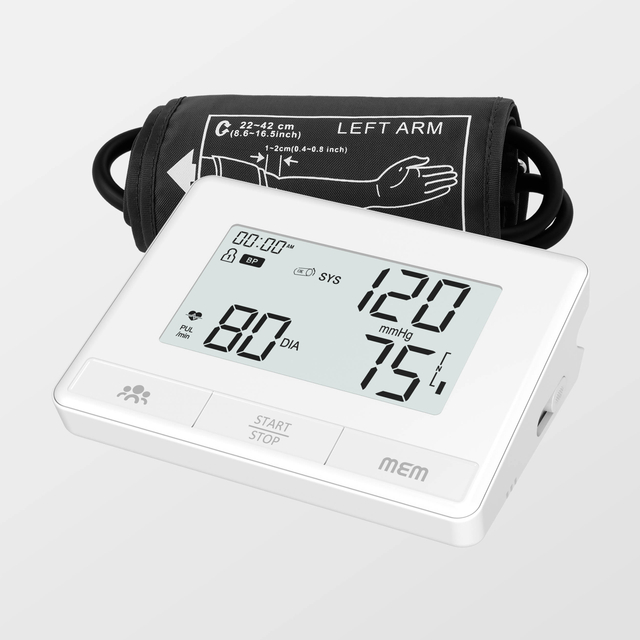
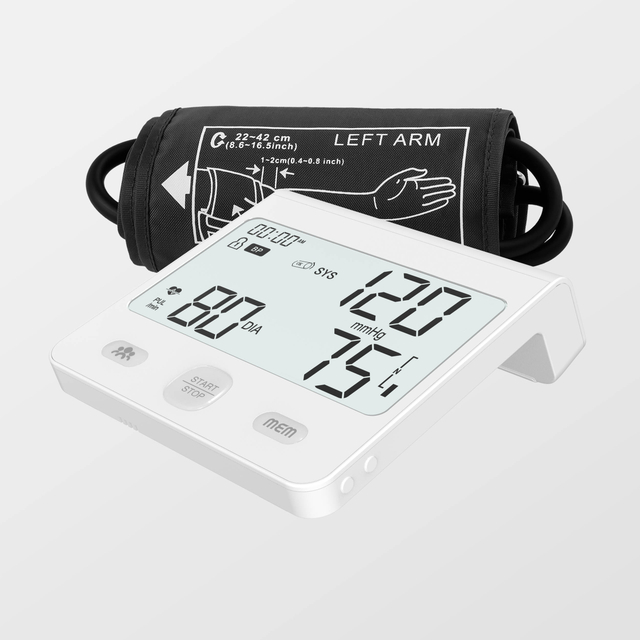
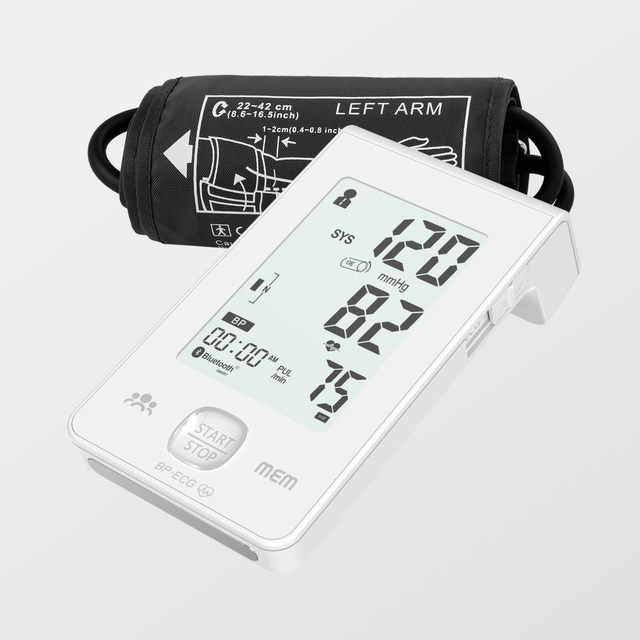
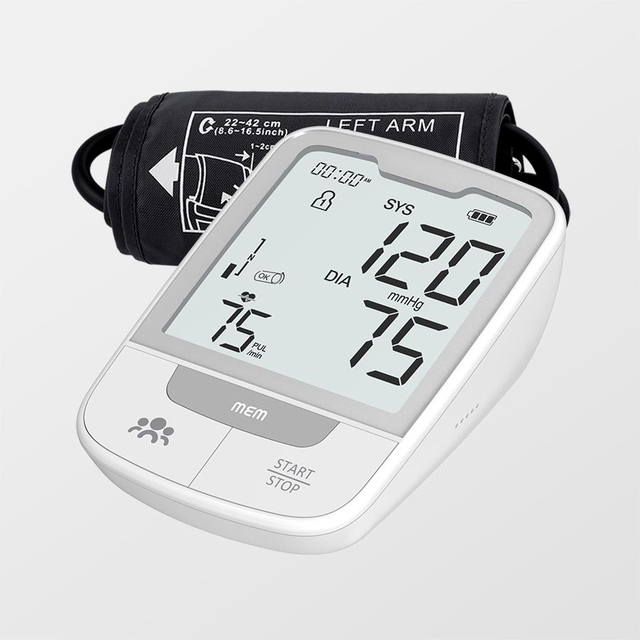
A list of blood pressure monitor suppliers may provide a useful starting point, but company visibility alone does not determine sourcing suitability. Brand owners, distributors, healthcare buyers, and e-commerce sellers need to examine whether a prospective partner can support the required product category, regulatory pathway, sales channel, customization scope, and order scale. The following framework ranks the ten capabilities that matter most when comparing blood pressure monitor manufacturers, while showing how Joytech Healthcare supports commercial projects involving upper-arm, wrist, connected, and private-label monitoring devices.
Why Supplier Rankings Need a B2B Filter
Many supplier rankings focus on company size, product quantity, founding year, or general market reputation. These details can indicate business maturity, but they do not answer the questions that determine whether a project can move from initial inquiry to market launch. A suitable blood pressure monitor supplier must align the device configuration, documentation, packaging, software, production plan, and commercial terms with the buyer’s target market.
The meaning of “top supplier” also changes by channel. A hospital procurement project may prioritize model-specific documentation and workflow compatibility, while a retail distributor may need a clear product ladder with different display, cuff, memory, and connectivity configurations. An online seller may place greater emphasis on compact packaging, visual differentiation, multilingual instructions, and stable replenishment. For this reason, blood pressure monitor suppliers should be ranked against a defined sourcing brief rather than a generic company list.
Top 10 Capabilities to Rank Before Shortlisting
The following ten criteria help overseas brands and channel buyers compare blood pressure monitor manufacturers on commercial and operational value. A supplier does not need every available feature, but it should provide evidence that its capabilities match the intended market, device category, order volume, and development model. Buyers should request model-specific information rather than assuming that every certification, function, or service applies across an entire product portfolio.
1. Market-relevant compliance
Blood pressure monitor suppliers should explain which models are prepared for the buyer’s destination market and provide the corresponding documentation for review. A general reference to CE, FDA, MDR, or another framework is less useful than a clear model-level document package. Buyers should also confirm whether packaging, labeling, instructions, importer information, and language requirements can be adapted for the intended region.
2. Validation evidence
Procurement teams should ask how the measurement system has been evaluated and which product variants are covered. Validation evidence is particularly important when a distributor plans to position a blood pressure monitor through pharmacy, healthcare, or professional channels. Joytech identifies CE MDR- and FDA-compliant models, an ISO 13485 system, MDSAP certification, and selected ESH-validated models within its blood pressure monitor range.
3. Portfolio structure
A capable blood pressure monitor manufacturer should offer a product architecture that lets buyers build a logical assortment rather than select unrelated models. This may include upper-arm and wrist devices, standard and connected configurations, different display formats, memory options, cuff choices, voice guidance, rechargeable designs, or advanced monitoring functions. A structured portfolio helps distributors create entry, mid-range, and connected product tiers without managing several unrelated factories.
4. Connectivity capability
Bluetooth, Wi-Fi, 4G, app integration, and data management can add commercial value, but they also create additional development and support requirements. Buyers should clarify whether connectivity is based on an existing application, a customized interface, or integration with another digital platform. Joytech lists Bluetooth and 4G connectivity within its broader range, while its arm monitor category includes Bluetooth or Wi-Fi options and custom application development support.
5. Customization scope
OEM services can range from logo printing to substantial hardware, software, accessory, packaging, and interface changes. Blood pressure monitor suppliers should define which elements are available for private labeling, which changes require engineering work, and how development costs or minimum quantities may differ. This distinction allows buyers to compare proposals on the same basis and prevents a standard private-label offer from being mistaken for a full ODM program.
6. Manufacturing control
Direct production evidence matters because it affects traceability, change management, inspection coordination, and scaling. Buyers should look for information about production lines, facilities, quality systems, testing, and the supplier’s role in actual manufacturing. Joytech states that it has more than 30 production lines, manufacturing facilities in Hangzhou and Cambodia, and product development and manufacturing conducted within systems including ISO 13485 and MDSAP.
7. Quality communication
A qualified blood pressure monitor manufacturer should be able to explain how product requirements are transferred from an approved sample to routine production. Useful discussions cover incoming materials, in-process checks, finished-product inspection, document control, complaint handling, and engineering changes. The goal is not to collect a long list of quality terms, but to understand how the supplier detects variation and communicates issues that could affect a distributor’s inventory or market obligations.
8. Supply continuity
Buyers should assess whether the proposed manufacturer can support both launch quantities and later replenishment. Questions should address component availability, forecast planning, order scheduling, packaging material preparation, production allocation, and contingency arrangements. A low initial quotation has limited value when lead times, configuration changes, or component substitutions create repeated delays. Blood pressure monitor suppliers with established production resources and clear order-management processes may offer a more manageable route for long-term programs.
9. Pre-sale and registration support
B2B sourcing requires more than selecting a device from a catalog. A supplier should help clarify product configuration, documentation availability, sample requirements, customization boundaries, and registration-related information before the purchase order. Joytech describes pre-sale support that includes professional sales teams, OEM/ODM services, and registration assistance, followed by production and inspection support during order execution.
10. Channel suitability
The final criterion is whether the supplier understands how the product will be sold and supported. Retail distributors may require differentiated packaging and product tiers, healthcare channels may need consistent documentation, and e-commerce sellers may prioritize compact models with clear user interfaces. Buyers should discuss target price positioning, expected users, sales claims, accessory requirements, packaging format, and after-sales responsibilities. Effective blood pressure monitor suppliers convert these commercial requirements into a defined product specification before quotation.
Match Product Architecture to Channel Strategy
A broad sourcing program usually begins with Digital Blood Pressure Monitors that can be organized by measurement location, display, memory, connectivity, and monitoring functions. Joytech’s range includes oscillometric devices with options such as Bluetooth or 4G connectivity, multi-user memory, LCD or LED displays, light or voice guidance, and selected configurations with AFIB detection, irregular heartbeat indication, or ECG integration. These options allow a brand or distributor to define several product levels while keeping the range within one manufacturing relationship.
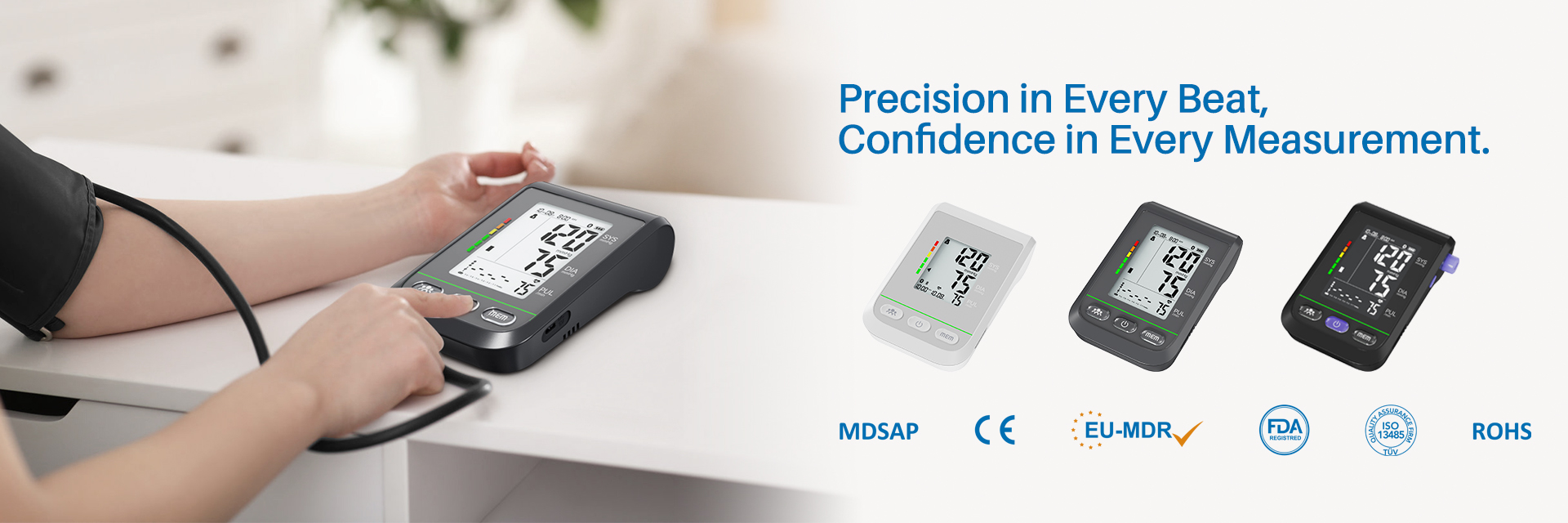
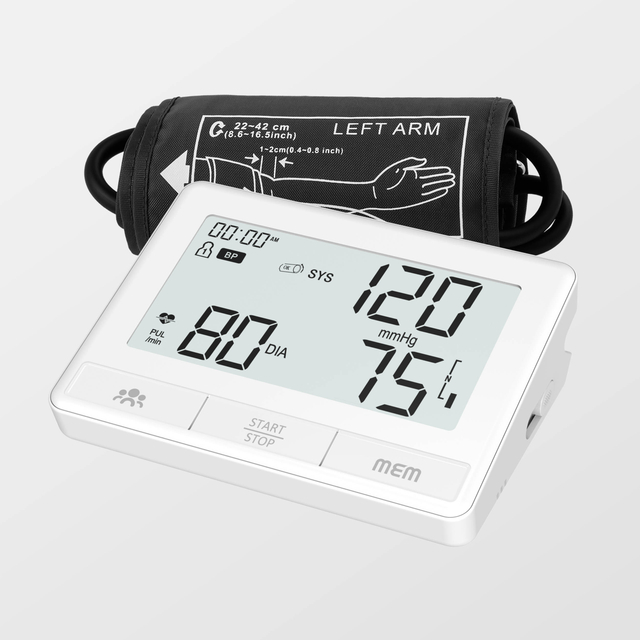
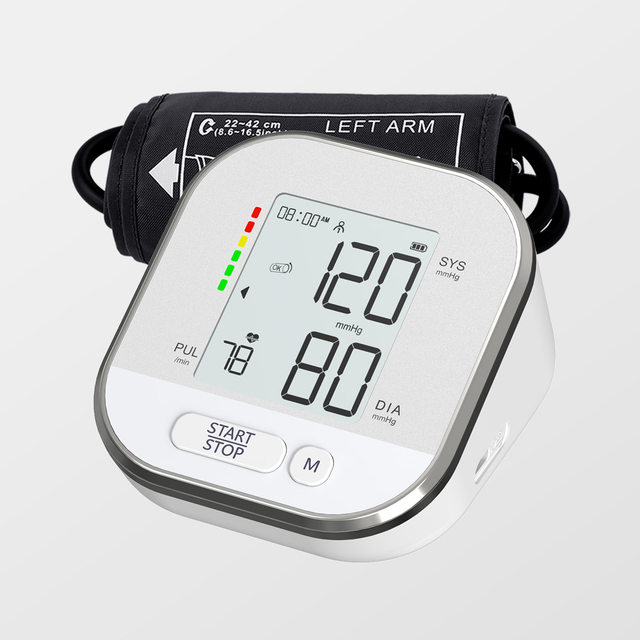
For pharmacy, home healthcare, and general retail programs, Arm Blood Pressure Monitors can serve as a central product category. Buyers can compare deflation-type and inflation-type measurement designs, cuff configurations, display size, memory capacity, triple-measurement functions, and connected options. Joytech’s arm portfolio includes Bluetooth and Wi-Fi configurations linked with the Joytech Health App, alongside custom app development support for brand-specific projects. These choices can help procurement teams develop a clear assortment for standard retail, connected health, or private-label positioning.
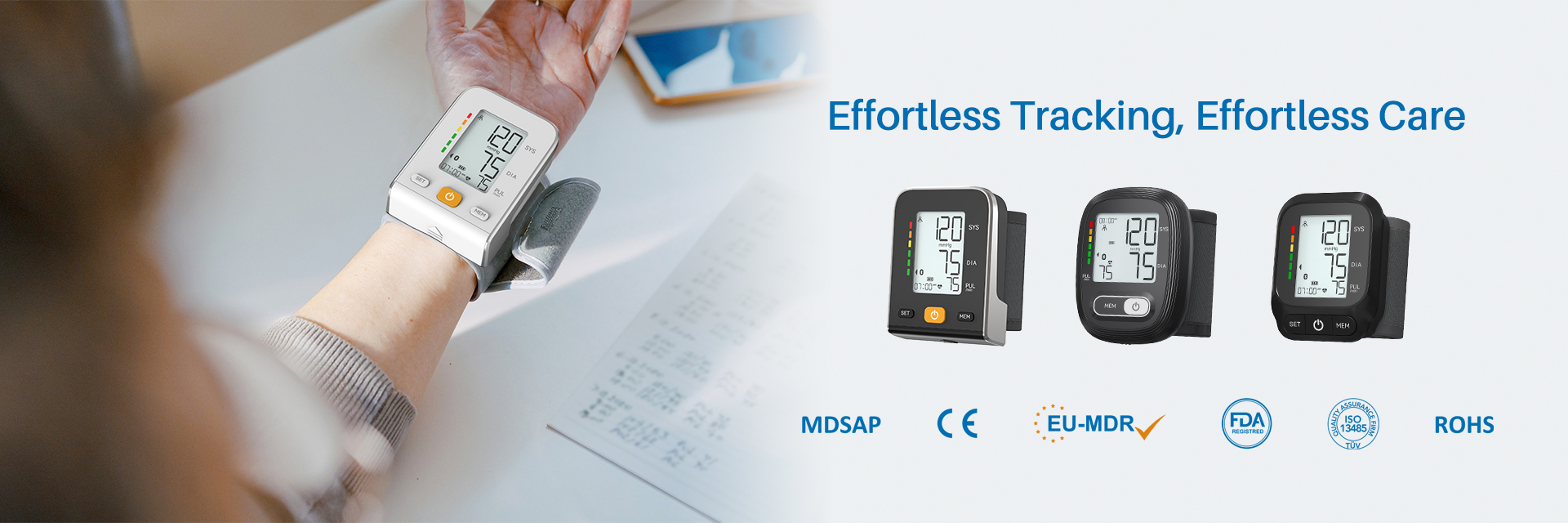
Portable programs may also include Wrist Blood Pressure Monitors. This category can be relevant to travel-focused assortments, compact pharmacy ranges, online sales, and distributors seeking an alternative format to conventional upper-arm devices. Joytech lists wrist models with lithium batteries, backlights, voice functions, Bluetooth options, position and arm-movement indicators, multi-user memory, and rechargeable configurations. The appropriate combination should be selected according to target price, packaging requirements, user interface, and market documentation rather than by adding every available function.
Conclusion
The strongest blood pressure monitor suppliers are not identified by visibility alone. B2B buyers should rank regulatory fit, validation evidence, product architecture, OEM/ODM depth, production control, quality communication, supply continuity, and channel support against a specific sourcing brief. Joytech Healthcare is a manufacturer and supplier with upper-arm, wrist, smart, and customizable monitoring options supported by established manufacturing and quality systems. Procurement teams can contact Joytech to discuss suitable models, market-specific configurations, samples, OEM/ODM requirements, quotation details, and potential cooperation.
FAQ
Q: What should buyers check first when comparing blood pressure monitor suppliers?
A: Start with the target market, model-specific documentation, validation evidence, product category, manufacturing role, customization scope, production planning, and the supplier’s ability to support the intended sales channel.
Q: Is an OEM blood pressure monitor supplier different from an ODM manufacturer?
A: OEM commonly uses an existing platform with private-label changes, while ODM may involve broader hardware, software, interface, accessory, or structural development. The exact scope should be confirmed with each supplier.
Q: Should distributors source arm and wrist monitors from one manufacturer?
A: A single manufacturer may simplify documentation, quality communication, replenishment, and product-line planning, provided its arm and wrist models both meet the distributor’s market and channel requirements.
Q: Which connected functions should B2B buyers evaluate?
A: Buyers should review Bluetooth, Wi-Fi, application compatibility, data transfer, account management, language options, firmware support, privacy responsibilities, and whether custom integration is available for the proposed model.
Q: How can buyers verify a blood pressure monitor manufacturer?
A: Request company registration details, quality-system documents, model-level regulatory files, validation materials, production evidence, sample units, inspection arrangements, and written confirmation of the proposed customization and supply scope.