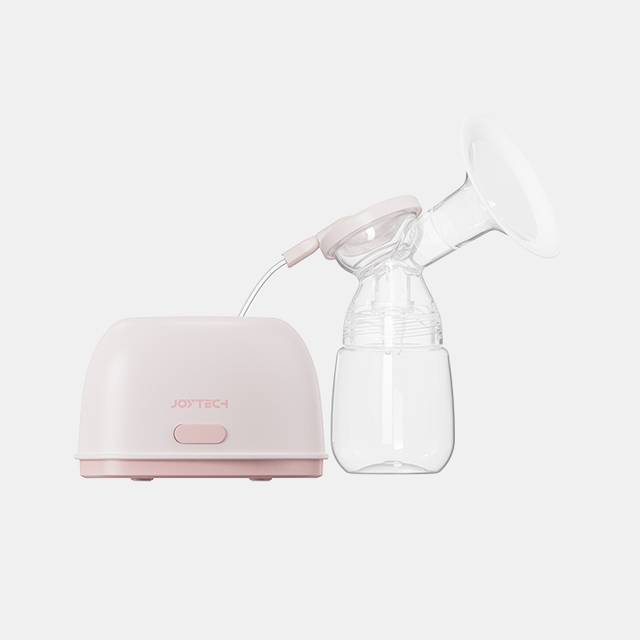
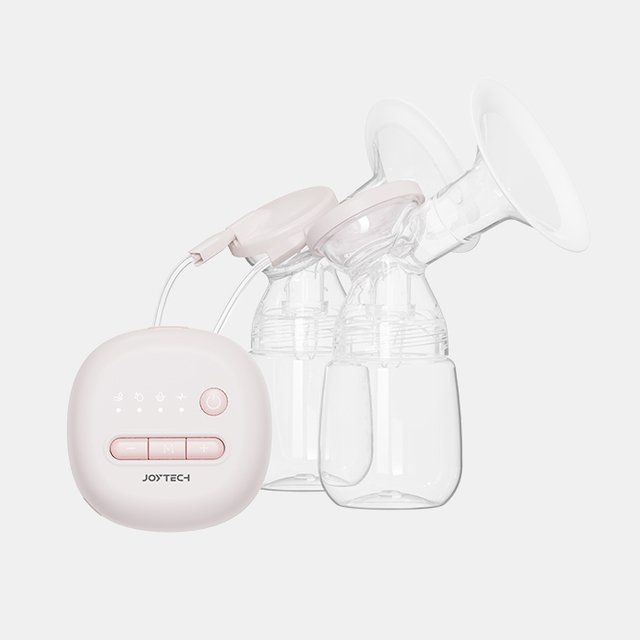
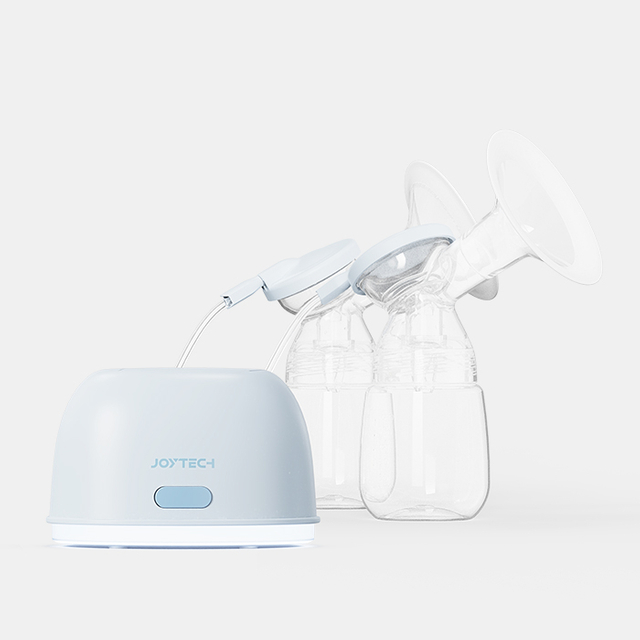
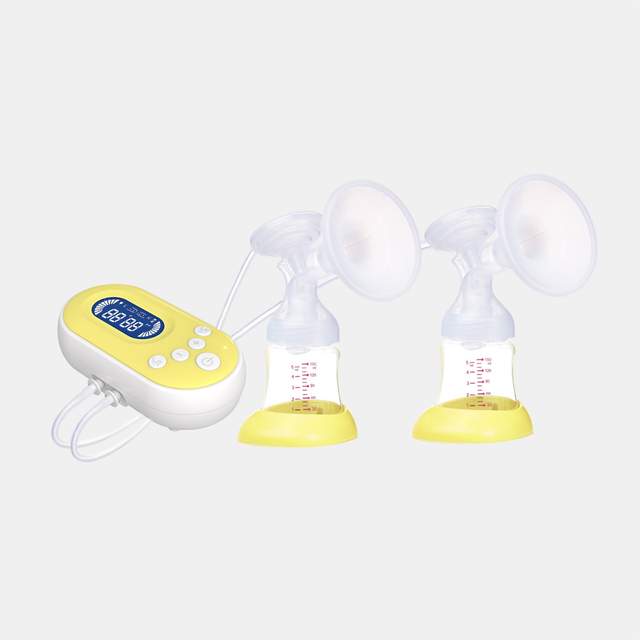
Introduction: The Growing Opportunity in Wearable Breast Pumps
Hands-free convenience is one of the defining advantages of wearable breast pumps. By allowing mothers to pump while carrying out other daily activities, wearable designs have become an important part of the breast pump category.
For brands, distributors, and retailers, however, entering this segment involves more than selecting a product with hands-free functionality. The commercial opportunity also depends on how the product fits the brand's positioning, complements its existing range, and meets the expectations of its target sales channels.
As more brands explore wearable breast pumps, product differentiation becomes increasingly important. Instead of competing solely through feature lists, businesses need to consider the role each product plays in their overall maternal care portfolio.
This article explores how brands and distributors can approach wearable breast pump development from a product and retail strategy perspective.
1. Product Differentiation Starts with a Clear Market Position
A wearable breast pump should be developed with a clear understanding of the customer segment and sales channel it is intended to serve.
For example, a product positioned for online retail may need a different presentation and product proposition from one intended for pharmacy chains, specialist maternity retailers, or regional distributors.
The same product category can serve different commercial purposes:
Entry-level positioning: Offering an accessible option for brands looking to introduce wearable breast pumps to their existing customers.
Mid-range positioning: Balancing product functionality, design, and price expectations for broader retail distribution.
Premium positioning: Supporting a more distinctive brand proposition through product design, user experience, and carefully selected features.
These are positioning approaches rather than fixed market segments. The right direction depends on the brand's target customers, competitive environment, pricing strategy, and distribution model.
The key is to define the product's role before deciding which features or customization options to prioritize.
A clear product proposition also makes marketing more consistent. When the intended customer and product positioning are established early, packaging, product descriptions, channel materials, and brand messaging can communicate the same value.
2. Build a Breast Pump Portfolio, Not Just a Standalone Wearable Product
Wearable breast pumps are an important product category, but they do not necessarily replace traditional electric or manual breast pumps.
Different product formats can serve different user preferences, purchasing occasions, and price points. For brands and distributors, this creates an opportunity to build a more balanced breast pump portfolio.
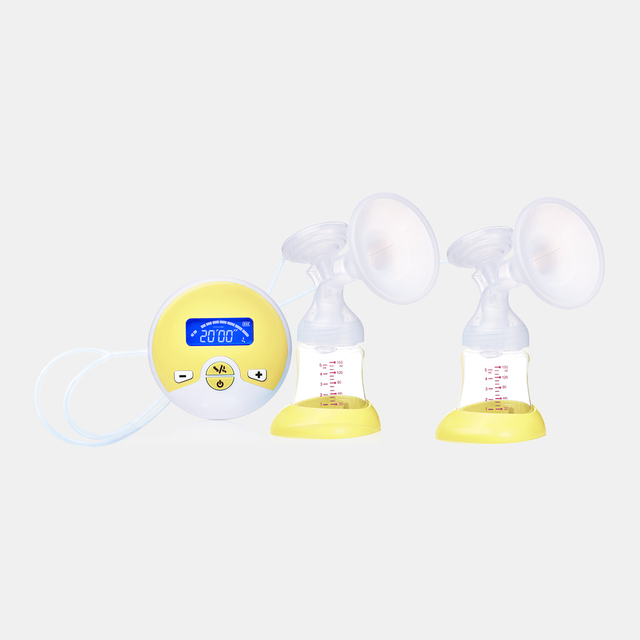
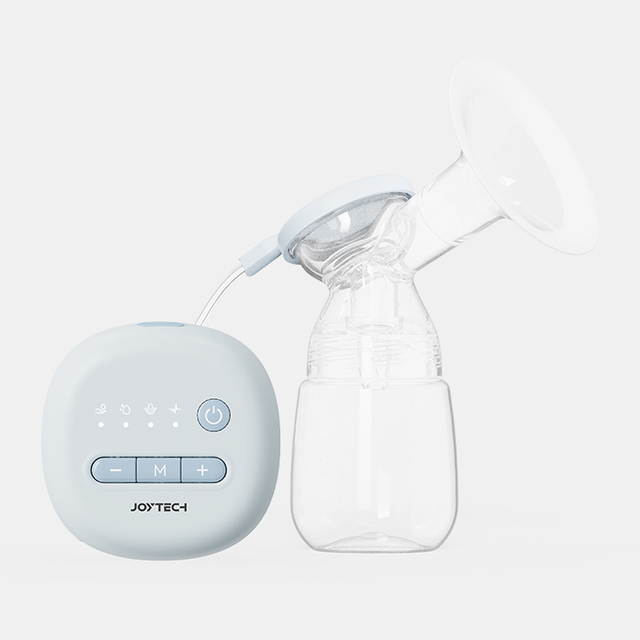
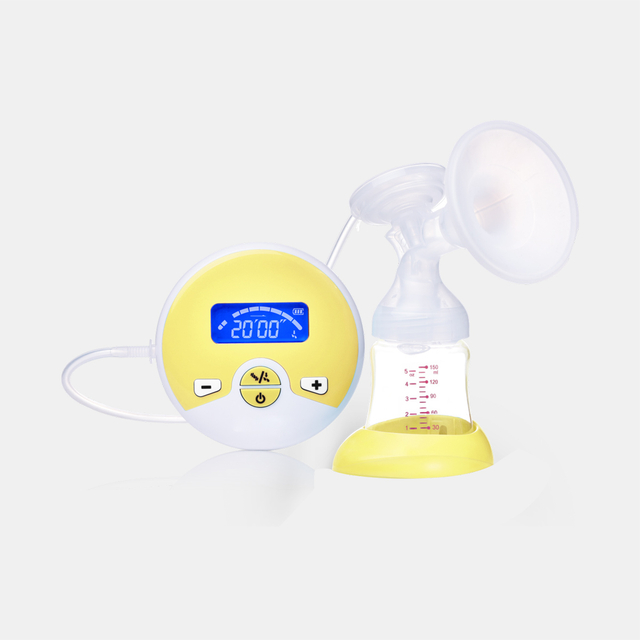
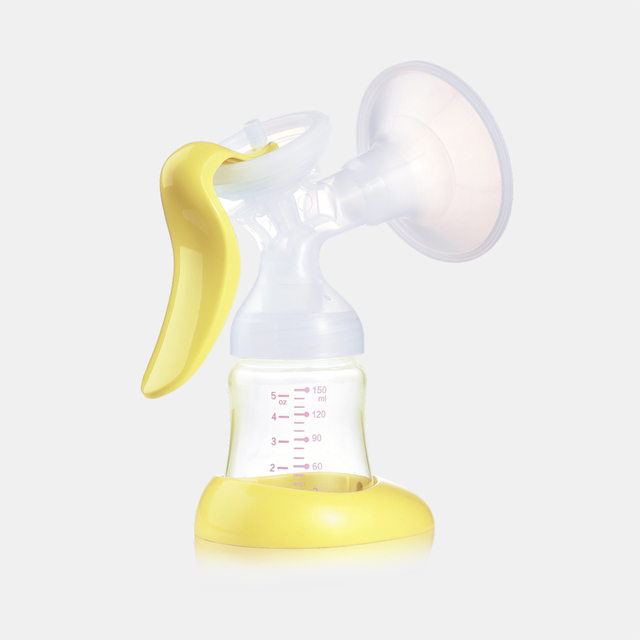
Product category
Potential role in a product range
Manual breast pumps
An additional option for customers seeking a simple, non-electric product
Standard electric breast pumps
A core category for everyday home-use positioning
Wearable breast pumps
A hands-free option for customers who value mobility and convenience
Different electric pump configurations
Options for brands serving different usage preferences and price segments
A portfolio approach can help businesses avoid relying on a single product to serve every customer.
For example, a distributor with an established maternal care business may introduce a wearable model as an extension of its existing electric breast pump range. A new private-label brand, on the other hand, may begin with a focused selection and expand as its distribution network develops.
The objective is not to offer the largest possible number of SKUs. It is to create a product range in which each model has a clear purpose.
3. Retail Readiness Begins Before the Product Launch
A product may be ready for evaluation as a sample, but that does not automatically mean it is ready for commercial launch.
For brands and distributors, retail readiness involves coordinating several elements around the product itself.
Product positioning and communication
The product name, packaging, product images, and marketing descriptions should communicate a consistent proposition. Claims should be accurate, supportable, and appropriate for the markets where the product will be sold.
SKU and accessory planning
Businesses should establish which product configurations and accessories will be included in the initial range. This helps avoid unnecessary SKU complexity and makes product selection clearer for distributors and retail partners.
Documentation and market requirements
Product documentation, labeling, instructions for use, and applicable regulatory requirements should be considered early in the project. Requirements differ by destination market, so brands should confirm the relevant requirements for each sales region.
After-sales and supply planning
Replacement accessories, spare-part arrangements, and ongoing supply expectations should be considered as part of the launch plan. These details can affect the long-term management of a product range, particularly for distributors serving multiple retail accounts.
Retail readiness is therefore not simply a final packaging check. It is the coordination of product, brand, documentation, and supply decisions before a product enters the market.
4. Why Manufacturer Collaboration Matters Beyond Production
For a brand developing a wearable breast pump, the manufacturer's role can extend beyond producing an approved design.
An experienced OEM/ODM partner can support the process from initial product selection and positioning discussions through customization, development coordination, manufacturing, and ongoing supply.
This collaboration is particularly relevant when a brand needs to balance product differentiation with practical considerations such as target pricing, intended markets, product configurations, and production planning.
Before starting a project, brands should consider whether a potential manufacturing partner can support:
Product development: A professional team able to coordinate product development and evaluate project requirements.
OEM/ODM customization: Options for adapting product appearance, branding, packaging, and selected product configurations according to project feasibility.
Manufacturing capacity: Production resources that can support the planned order volume and future business development.
Quality and compliance support: Established quality management processes and appropriate documentation support for the intended markets.
Long-term cooperation: Communication and supply coordination that can support product continuity beyond the initial order.
The value of a manufacturing partnership is not measured only by the first production run. It also depends on whether the partner can support the brand as its product range and business requirements evolve.
5. Why Choose Joytech for Wearable Breast Pump OEM/ODM?
Joytech Healthcare is a medical device manufacturer with more than 24 years of OEM/ODM experience, supporting international customers through product development, manufacturing, and customized solutions.
For brands and distributors exploring wearable breast pump projects, Joytech combines professional product development capabilities, established manufacturing resources, and experience working with international brands.
Professional Product Development Team
Joytech has a professional product development team supporting product development and customization projects. This provides a foundation for discussing product positioning, project requirements, and potential OEM/ODM solutions.
Established Manufacturing Capabilities
Joytech's manufacturing infrastructure covers more than 260,000 m² of total operational built-up area, with 30+ production lines and 100+ patents supporting its ongoing product innovation.
With manufacturing facilities in Hangzhou, China, and Cambodia, Joytech has established production resources to support international customers across multiple medical device categories.
These capabilities provide a foundation for product development, manufacturing coordination, and scalable production as customers' business requirements grow.
Experience Working with International Brands
Joytech has experience working with well-known international brands through OEM/ODM cooperation, including partnerships with Fortune 500 companies. This experience reflects the company's ability to work with different customer requirements and support products for international markets.
Quality Management and Regulatory Support
Joytech operates established quality management systems, including ISO 13485 and MDSAP. The company also provides support related to product documentation and regulatory requirements. Applicable certifications, product approvals, and regulatory documentation should be evaluated according to the specific product and destination market.
A Broader Maternal Care Product Portfolio
Beyond wearable breast pumps, Joytech offers a broader breast pump range and maternal care product solutions. This allows customers to explore different product formats and consider how wearable models can complement their existing product portfolios.
6. From Product Sourcing to a Long-Term Product Strategy
A successful wearable breast pump project should begin with a clear commercial objective.
Rather than selecting a product simply because it has a particular feature, brands should consider how it will contribute to their product range, which customers it is intended to serve, and how it will be introduced through their distribution channels.
A practical decision-making sequence is:
Define the category role: Decide whether the wearable model will be a new product category, a premium extension, or an addition to an existing breast pump range.
Identify the target market: Establish the intended customer segment, sales channel, and destination markets.
Plan the product range: Determine the appropriate product configuration and how it complements existing models.
Prepare for market launch: Coordinate branding, packaging, documentation, accessories, and supply arrangements.
Select a suitable manufacturing partner: Evaluate the partner's development capabilities, customization support, manufacturing resources, and experience with international customers.
This approach helps connect product decisions with the wider business strategy.
For brands and distributors, the long-term opportunity lies not simply in adding a wearable breast pump to a catalog, but in developing a product range that is relevant to their customers and sustainable for their business.
Frequently Asked Questions
Are wearable breast pumps suitable for all retail channels?
Not necessarily. Their suitability depends on the target customers, product positioning, price range, and channel requirements. Brands should evaluate the intended market before deciding how to introduce wearable breast pumps into their product range.
How can brands differentiate their wearable breast pump products?
Differentiation can come from a clear product proposition, thoughtful product positioning, suitable customization, consistent brand communication, and a product range designed around specific customer needs. Adding more features alone does not always create a stronger market position.
Should distributors offer wearable and traditional electric breast pumps together?
They can complement each other. Wearable and standard electric breast pumps offer different product formats and can serve different customer preferences. Offering both may help distributors build a more balanced portfolio, depending on their market and channel strategy.
Can wearable breast pumps be developed under a private label?
Yes. OEM/ODM manufacturers may offer private-label options, including branding, packaging, and selected product customization. The available options depend on the manufacturer's capabilities, project requirements, and applicable regulatory considerations.
What should brands look for in a wearable breast pump manufacturer?
Brands should evaluate product development capabilities, OEM/ODM experience, manufacturing resources, quality management systems, regulatory support, and the ability to maintain long-term supply cooperation.
Develop Your Wearable Breast Pump Product Range with Joytech
Whether you are introducing a new maternal care brand, expanding an existing breast pump portfolio, or looking for an OEM/ODM manufacturing partner, Joytech can support your project with product development experience and established manufacturing capabilities.
Explore our breast pump range or contact the Joytech team to discuss your product requirements and potential cooperation.