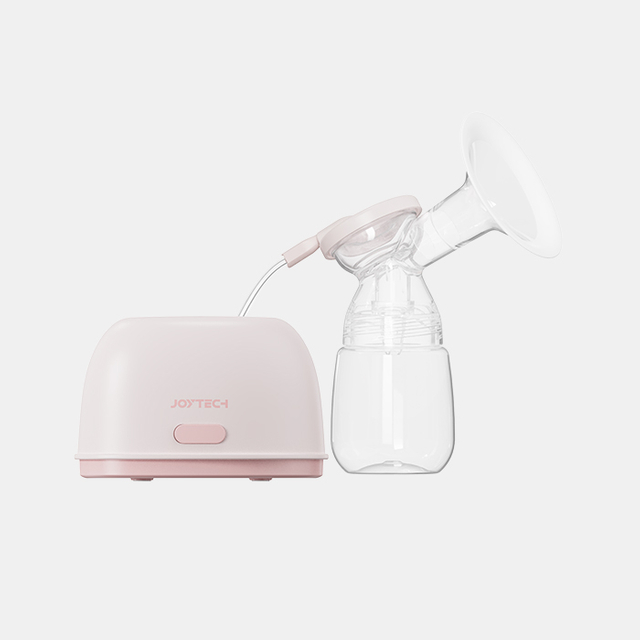
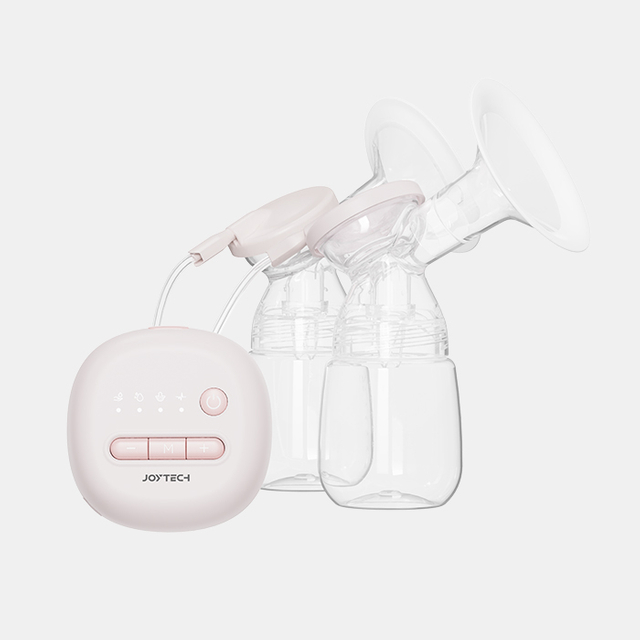
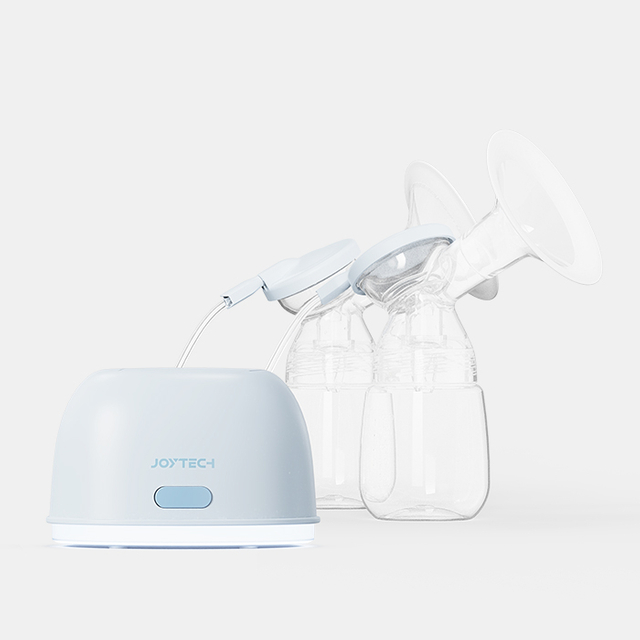
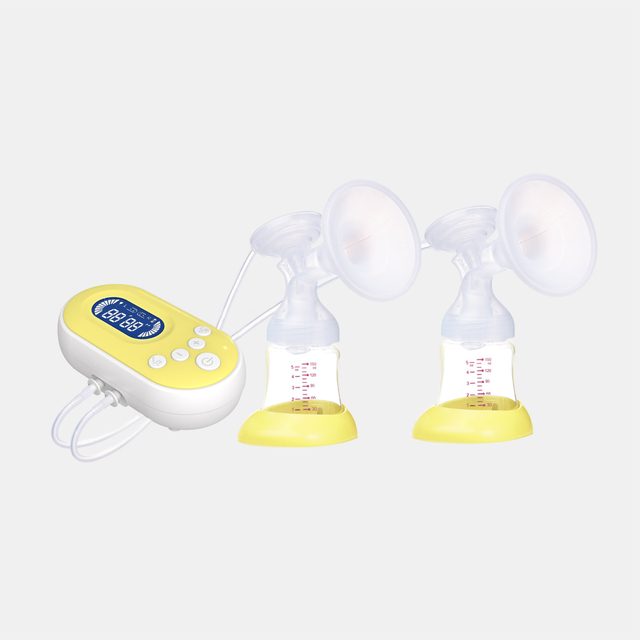
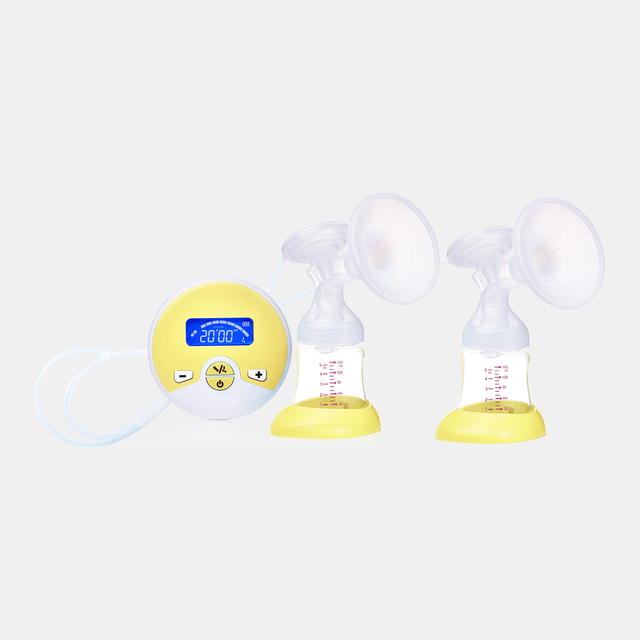
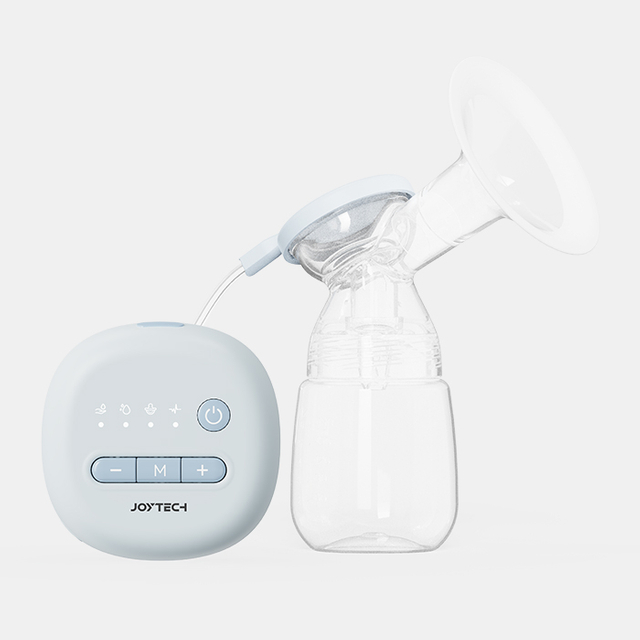
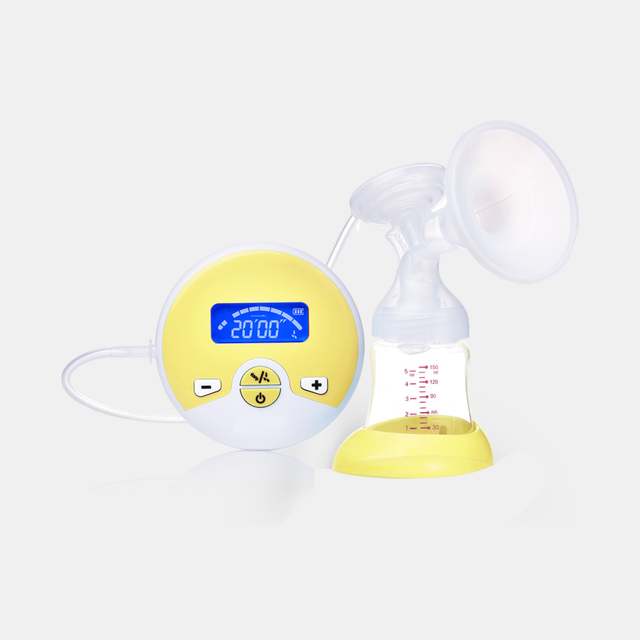
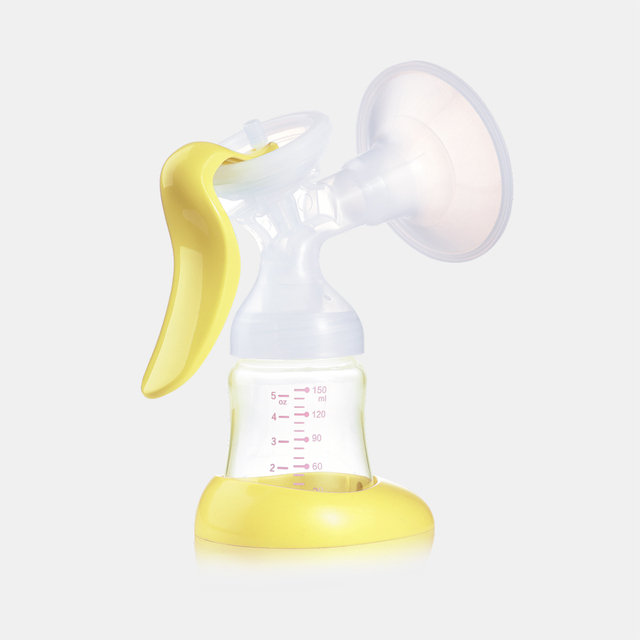
Much of the current attention in the breast pump category centers on wearable, app-connected designs, which lead the marketing conversation. For distributors, brand owners, and ODM buyers, that shift raises a practical sourcing question: should a product line concentrate on newer form factors, or hold depth across the full range of procurement needs? Different product types serve different channels and end-use situations, and a standard electric breast pump range remains central to the volume that underpins breast pump portfolio planning. Wearables add a newer form factor to the category; standard models tend to hold the base of coverage and turnover across everyday use.
Demand does not distribute evenly across every market or channel. Across many procurement settings — including value-focused segments, emerging markets, and institutional or public-health purchasing — buying decisions often center on essential pumping function rather than connected features. In these settings, the standard electric breast pump typically remains the volume driver rather than the exception.
Reading this as one product type against another misses the commercial point. The two are complementary: wearable models add form-factor choice for buyers who want it, while standard models are designed to hold the everyday base that keeps a range moving across a wider set of buyers.
Where a Standard Breast Pump Fits Across Channels
A standard breast pump answers to end-use and channel realities that a wearable-only line can leave uncovered:
• End-use situations: occasional use, back-up pumping alongside a primary device, and rental or institutional settings, where simplicity and durability tend to matter more than a connected feature set.
• Channel types: pharmacies, mother-and-baby retail, general merchandise, and e-commerce each stock across the range; a gap in the standard product type can weigh on sell-through where a distributor cannot present a full shelf.
• Regional infrastructure: in markets where battery life or charging access is a concern, a mains-powered design can suit day-to-day conditions more closely. Double-sided configurations sit within this product type as a familiar, well-understood option for buyers.
The point across all three is coverage. A range that skips the standard product type narrows the set of channels and end situations it can address.
Building a Balanced Breast Pump Portfolio
Portfolio depth is a commercial position, not just a catalogue length. A balanced breast pump portfolio can support a distributor across several fronts at once:
• Channel fit: covering the full range of procurement needs lets a single supplier line match more end-channel types, rather than leaving buyers to source product types separately.
• Operational load: simpler mechanical construction means fewer failure points, which can ease stock-holding, servicing, and return handling relative to more complex connected devices.
• Reorder logic: breast pumps are durable goods, so replenishment tends to follow distributor and retailer sell-through rather than end-user repeat purchase. Depth in the standard product type is what keeps that sell-through steady.
Held together, these describe why a range built beyond wearables alone can carry a distributor's business more evenly than one concentrated on a single product type.
Working with a Standard Electric Breast Pump ODM Supplier
For OEM and ODM buyers, the standard product type is often where volume programs are built. When evaluating a Standard Electric Breast Pump ODM Supplier, buyers tend to weigh a consistent set of factors:
• Range breadth: a supplier whose breast pump category spans a wide set of configurations lets a buyer assemble coverage across channels within a single program, rather than sourcing each configuration separately.
• Configuration consistency: stable specifications across production runs, so a branded program holds together over time.
• Supply stability: capacity and lead-time reliability that can support ongoing replenishment rather than one-off orders.
• Certification coverage: documented regulatory coverage appropriate to the destination markets a buyer serves.
At category level, these are the fundamentals that make a standard program workable, ahead of any single feature comparison.
Sourcing Standard Electric Breast Pumps fromJoytech
A supplier that spans product types lets buyers assemble a range within one relationship rather than across several. Joytech's LD series covers standard electric and wearable designs, which can help distributors build coverage without splitting sourcing.
• Production is supported by 100+ R&D specialists, 100+ patents, and large-scale manufacturing capabilities across 260,000+ sqm of operational facilities.
• Manufacturing operates under company-wide ISO 13485 certification, with CE MDR (EU 2017/745, Notified Body 0123) coverage for select models.
• Hardware-level OEM and ODM support is available for branded programs built on standard configurations.
These capabilities are described at category level; specific configurations and certification coverage can be confirmed against a buyer's destination markets.
Partner With Us
Building a standard electric breast pump range that holds depth across channels starts with a supplier able to support the full program rather than a single configuration. Joytech works with distributors, brand owners, and OEM/ODM buyers to assemble coverage that fits their destination markets — from standard electric designs through wearable models within one relationship.
OEM and ODM programs built at hardware level for branded standard-configuration lines.
Documentation and certification appropriate to the markets a buyer serves, confirmed per program.
To discuss a standard electric breast pump program or request category-level details, contact sale14@sejoy.com.
FAQ
How does a standard electric breast pump differ from a wearable model within a product range?
The two are different product types rather than direct competitors. Wearable models differ on form factor and connected features, while standard models are designed to hold the everyday base across a wide set of channels and end-use situations.
Can standard electric breast pumps be ordered across multiple configurations in one program?
A supplier whose breast pump category spans a wide set of configurations can let a buyer combine variants within a single program, rather than sourcing each separately. Specific minimums and configuration options are confirmed per program.
What should an ODM buyer confirm before sourcing standard electric breast pumps?
Buyers tend to check configuration consistency across production runs, supply and lead-time stability for ongoing replenishment, and certification coverage appropriate to their destination markets.
For standard electric breast pump range planning, OEM, and ODM inquiries, contact sale14@sejoy.com.