A Practical Sourcing Guide for Medical Device Importers and Distributors *
Selecting infrared thermometers for a new product portfolio involves more than comparing product features. Medical device importers and distributors also need to consider sales channels, target customers, regulatory requirements, pricing, and long-term supply capabilities.
A product range designed for pharmacy retail may differ from one intended for medical device distribution or a private label brand. Choosing the right combination of forehead, ear, and multifunction infrared thermometers can help businesses meet different market needs while maintaining a focused product portfolio.
This guide explains how importers can plan their infrared thermometer range and evaluate manufacturers before placing an order.
1. Identify Your Target Sales Channels
Different sales channels serve different customer groups and purchasing needs. Importers should identify their target markets before deciding which infrared thermometer models to source.
Pharmacy retail: Products may need to emphasize ease of use, clear displays, convenient measurement, and attractive retail packaging.
Medical device distribution: Distributors may require a broader selection of forehead, ear, and multifunction models to serve different customer accounts.
Private label brands: Buyers often focus on product differentiation, target pricing, brand identity, packaging customization, and regulatory requirements.
A clear understanding of the intended sales channel helps importers avoid sourcing unnecessary models and makes product selection more commercially focused.
2. Select the Right Infrared Thermometer Categories
Forehead, ear, and multifunction infrared thermometers offer different measurement approaches and product configurations. Importers should compare these categories according to their customers' needs.
Forehead Infrared Thermometers
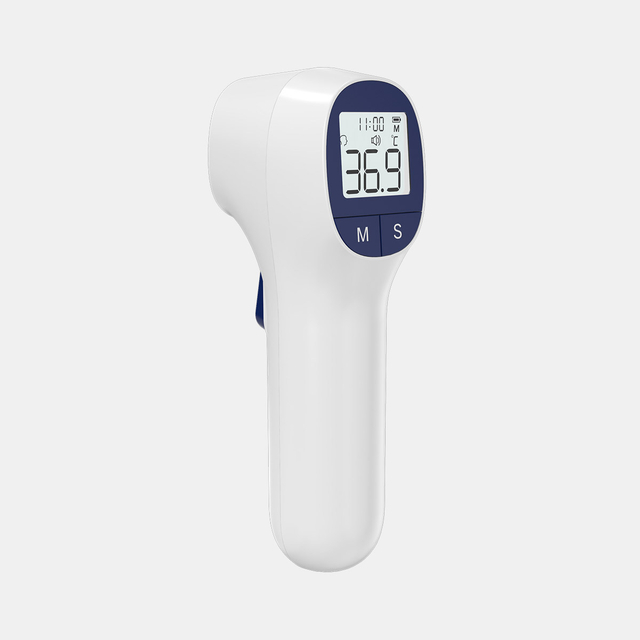
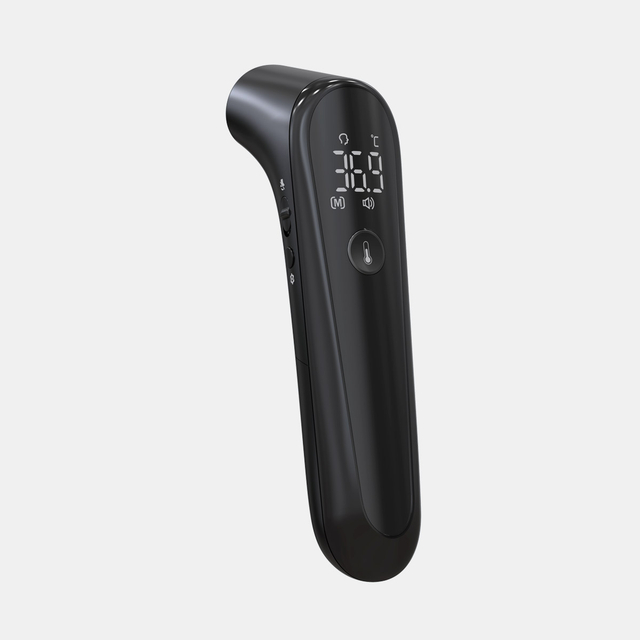
Non-contact forehead infrared thermometers measure temperature from the forehead without requiring direct physical contact with the skin. They can be considered by retailers and distributors looking for convenient, contact-free temperature measurement options.
When comparing models, buyers may consider:
Non-contact measurement
Display readability
Distance detection
Memory and optional functions
Product design and ease of handling
For example, the Joytech DET-3011 Infrared Forehead Thermometer features a rotatable probe design and optional distance detection, providing a product option for brands seeking differentiation in the forehead thermometer category.
Ear Infrared Thermometers
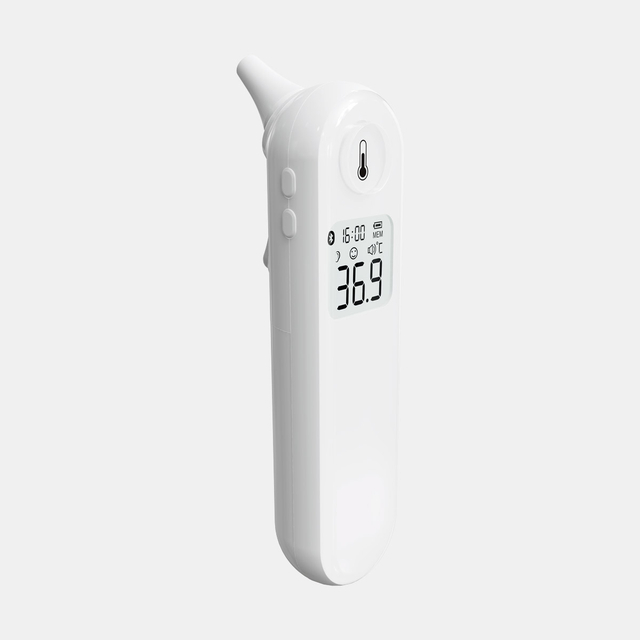
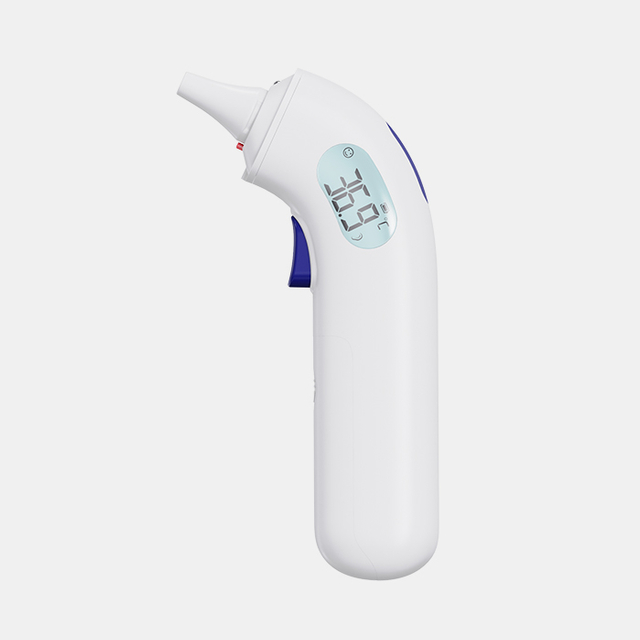
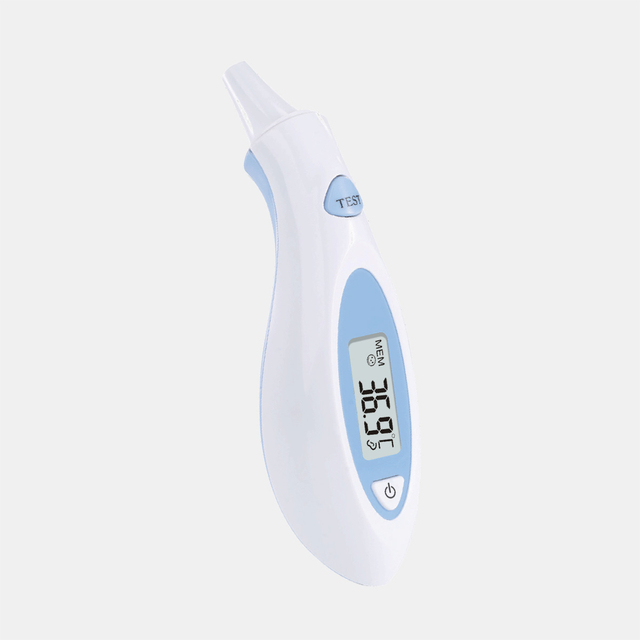
Ear infrared thermometers measure temperature in the ear and offer an alternative to forehead measurement. Depending on the model, features may include probe covers, memory storage, backlight, and Bluetooth connectivity.
Importers should evaluate the measurement method, probe design, hygiene-related accessories, operating instructions, and intended user population stated in the product documentation.
Multifunction models can combine ear and forehead measurement, with additional modes for object or ambient temperature, depending on the product configuration.
A practical product range does not need to include every available model. Importers can start with a focused selection and expand according to market demand.
Portfolio role
Product option
Main consideration
Core range
Standard forehead or ear thermometer
Essential functions and target price
Differentiated range
Model with additional design or measurement features
Meaningful product differentiation
Multifunction range
Ear and forehead thermometer with additional measurement modes
Broader functionality and market positioning
For example, a pharmacy supplier may begin with one core forehead or ear thermometer and introduce additional models as demand develops.
A distributor serving multiple customer groups may prefer a broader selection. Private label brands can also use different configurations to establish distinct product positions.
The final portfolio should reflect local market research, expected sales volume, and target pricing rather than simply the number of models offered by a manufacturer.
4. Check Regulatory Compliance and Market Access Documentation
For medical device importers, regulatory compliance is one of the most important factors when selecting a thermometer manufacturer. A product's technical features and price are not enough if it cannot meet the regulatory requirements of the destination market.
Before placing an order, buyers should confirm the regulatory status of the exact model and configuration they intend to import.
Key Certifications and Regulatory Requirements
ISO 13485 — Medical Device Quality Management System
ISO 13485 relates to quality management systems for medical device manufacturing. Buyers can request the manufacturer's current certificate and check its scope, issuing body, validity, and covered manufacturing sites.
MDSAP — Medical Device Single Audit Program
MDSAP is a regulatory audit program that allows an authorized auditing organization to conduct a single quality management system audit recognized by participating regulatory authorities. It is not an individual product approval or a substitute for market-specific registration.
CE Marking under EU MDR
For medical devices placed on the EU market, buyers should verify applicable requirements under Regulation (EU) 2017/745 (MDR). Depending on the device classification and conformity assessment route, relevant documentation may include an EU Declaration of Conformity, applicable notified body certificate, and other technical documentation.
US FDA Requirements
For the US market, buyers should determine whether the specific thermometer requires a 510(k) premarket notification or is subject to another applicable regulatory pathway.
FDA establishment registration and device listing are not the same as 510(k) clearance. Importers should verify the exact regulatory status using the relevant FDA records rather than relying on a general statement that a product is FDA approved.
Other Target Markets
Countries such as Canada and Australia have their own medical device regulatory requirements. Importers should confirm whether a medical device licence, ARTG inclusion, local registration, or other market-specific documentation is required.
What Importers Should Request from Manufacturers
Before confirming an order, ask the manufacturer for:
Current ISO 13485 certificate and applicable MDSAP documentation
Product-specific EU Declaration of Conformity and relevant CE MDR documentation
Applicable FDA 510(k) information or other US regulatory evidence
Product test reports and applicable clinical validation documentation
Product labels, instructions for use, and model identification
Market-specific registration support, where available
Important: Certificates and regulatory documents must correspond to the actual model, intended use, manufacturer, and configuration being purchased. A certificate for one thermometer model should not automatically be assumed to cover another.
Joytech provides regulatory and registration support for international medical device projects. Buyers can learn more about its quality and regulatory support services.
5. Evaluate Commercial and Manufacturing Capabilities
Once product suitability and regulatory requirements have been established, importers should compare the commercial and supply conditions.
Key factors include:
OEM/ODM customization: Logo, packaging, user manuals, languages, and available product configurations.
MOQ and pricing: Minimum order quantities and price differences between standard and customized models.
Lead time: Sample availability, production schedules, and repeat-order arrangements.
Manufacturing capability: Production facilities, quality management, inspection procedures, and capacity to support future orders.
These factors help buyers assess whether a manufacturer can support both initial sourcing and long-term distribution.
Joytech Healthcare offers infrared thermometer categories including forehead, ear, and multifunction models, together with OEM/ODM services for importers, distributors, and private label brands.
Learn more about Joytech OEM/ODM Services to explore product customization and regulatory support.
Frequently Asked Questions
1. How many infrared thermometer models should an importer source initially?
There is no fixed number. Importers can start with a focused selection based on target sales channels, expected demand, and available budget, then expand as market requirements become clearer.
2. What certifications should importers check when sourcing infrared thermometers?
Buyers should review the manufacturer's ISO 13485 quality management certificate and applicable MDSAP documentation, as well as product-specific regulatory documents such as EU MDR conformity documentation and relevant FDA records. Requirements depend on the destination market and exact model.
3. What information should buyers provide when requesting a quotation?
Buyers should provide their target market, preferred thermometer categories, required product features, estimated order quantities, regulatory requirements, and OEM/ODM needs. This helps the manufacturer recommend suitable models and configurations.
Develop Your Infrared Thermometer Product Range with Joytech
Selecting the right infrared thermometer portfolio requires a balance of product suitability, regulatory compliance, commercial conditions, and manufacturing capability.
Joytech Healthcare supports global importers, distributors, and private label brands with forehead, ear, and multifunction infrared thermometers, together with OEM/ODM and regulatory support services.
Contact Joytech Healthcare to discuss your target market, product requirements, regulatory needs, and estimated order quantities.