Choosing the right ultra-quiet breast pump manufacturer is no longer just a product decision — it is a portfolio strategy decision. As end consumers shift from general functionality to scenario-specific expectations, OEM buyers need a manufacturing partner that delivers quiet performance, product format flexibility, regulatory readiness, and customization at scale. This article breaks down what to evaluate and why it matters commercially.
The Market Is Not Growing — The Standard Is
The number of working mothers who pump breast milk has not changed dramatically in recent years. The user base is not growing at a pace that justifies new market entry on volume alone. What has changed is how specific their expectations have become. Where consumers once prioritized basic functionality — does it work, is it affordable — a growing number now factor in noise level, wearability, mode variety, and app connectivity when making purchase decisions.
For OEM buyers, this shift reframes product line strategy. Adding an ultra-quiet SKU is not about reaching a new audience. It is about retaining the existing one — the same working mothers, the same distributors, the same retail shelves. When end consumers increasingly compare products by specific performance criteria, brands that fall behind on these criteria risk being filtered out — not because they lost a new customer, but because they failed to keep a current one. For any quiet breast pump OEM, this is the commercial reality shaping sourcing decisions today.
Why Quiet Operation Is Now a Core Selection Criterion
Quiet operation has moved from a secondary feature to one of the primary purchase filters. Working mothers now pump in offices, during commutes, and at the bedside late at night without wanting to wake a sleeping baby — environments where noise is a disqualifier, not just an inconvenience.
For brands and distributors building a breast pump portfolio, this means quiet operation now belongs on the same checklist as suction power and safety compliance — not as a bonus feature, but as a baseline expectation from end consumers.
Key signals that quiet performance is shaping buyer decisions:
• End consumers increasingly search by use scenario — “quiet breast pump for office,” “silent pump for nighttime” — signaling a shift from brand-driven to performance-driven purchase intent.
• Product reviews and return data suggest noise-related dissatisfaction is one of the recurring drivers of negative feedback — meaning products without quiet claims face higher return risk and weaker repeat purchase rates.
• Retailers and DTC platforms are beginning to feature noise level as a visible filter or comparison point — products that lack quiet-performance positioning risk losing discoverability at the point of search.
For any quiet breast pump OEM evaluating category direction, these signals point to one conclusion: products without credible quiet-performance claims are increasingly at risk of being filtered out before they reach the buyer’s shortlist. Working with an established quiet breast pump manufacturer is becoming a sourcing baseline, not a differentiation play.
Why OEM Buyers Risk Losing Shelf Space Without Ultra-Quiet SKUs
When consumer expectations refine faster than your product catalog, the impact can show up in ways that go beyond missed sales — it may gradually weaken channel relationships as well.
• Distributor confidence may erode. Channel partners evaluate whether your SKU mix reflects where the category is heading. A product line without a quiet option can signal a supplier that is not tracking end-consumer demand.
• Shelf space gets reallocated. Retail and DTC platforms prioritize products that match trending search and filter behavior. Brands without quiet-performance claims risk losing visibility to competitors who carry them.
• Customer acquisition cost tends to rise. When your existing product no longer matches what returning buyers expect, you may spend more to win back the same customer — or lose them permanently.
The purpose of expanding into ultra-quiet SKUs is not to chase a new demographic. It is to protect the commercial relationships and shelf positions you already have.
Ultra-Quiet Product Lines That Match How End Consumers Now Choose
Today’s consumers do not just search for “breast pump.” They search by use scenario — wearable for the office, portable for home, quiet for nighttime. Brands that can cover these segmented expectations within a single supplier relationship reduce sourcing complexity while strengthening shelf relevance.
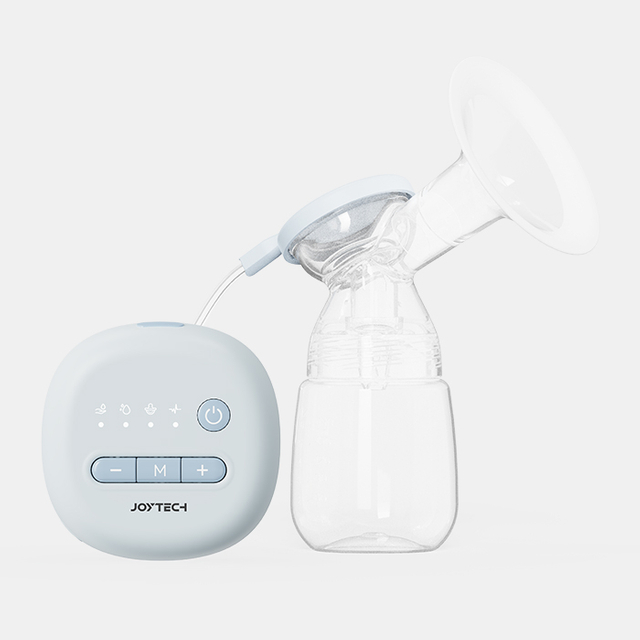
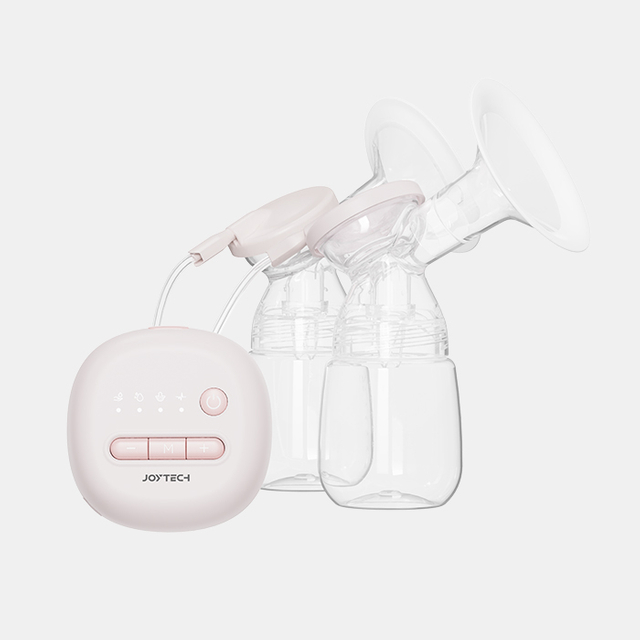
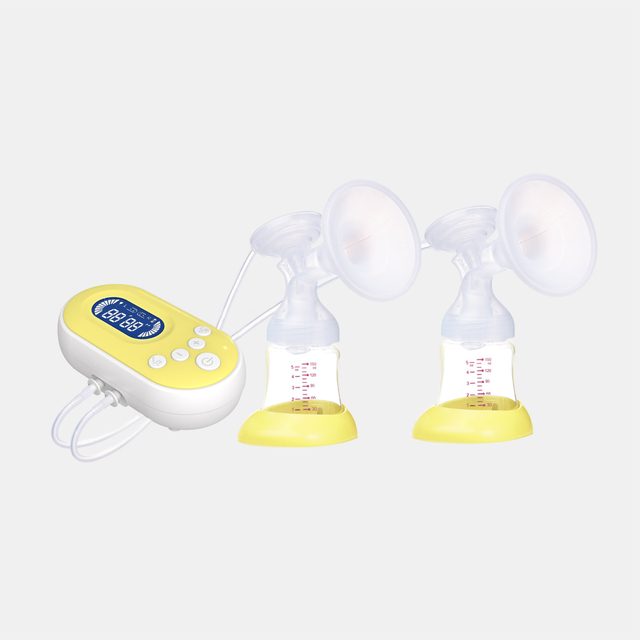
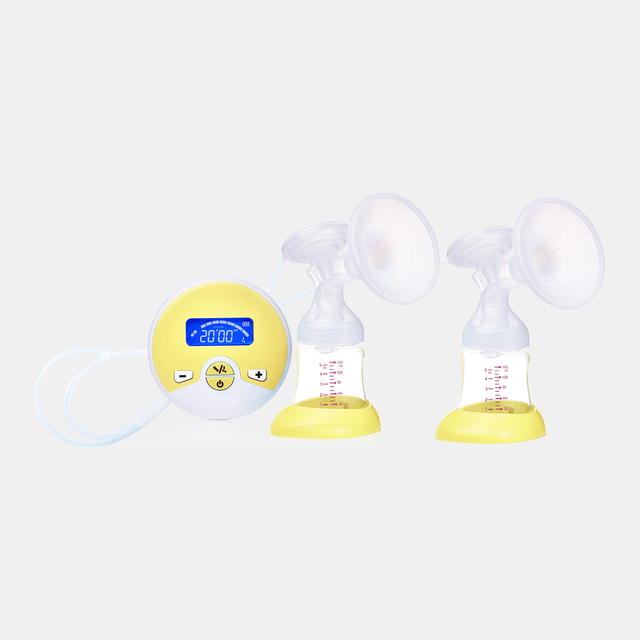
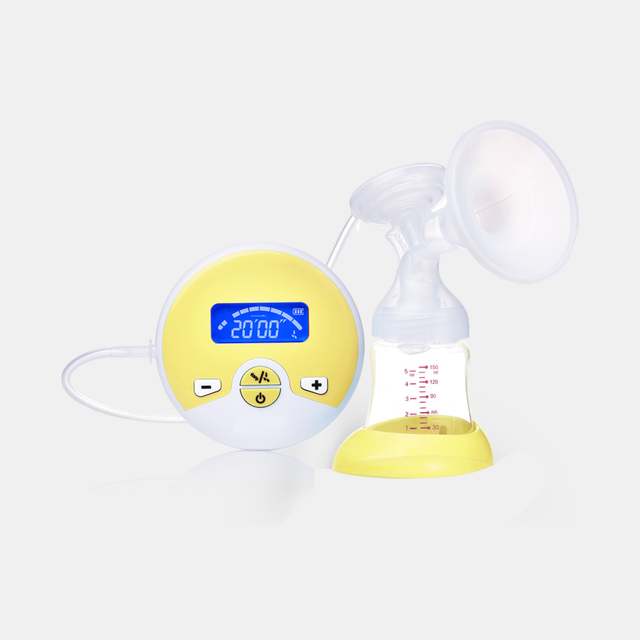
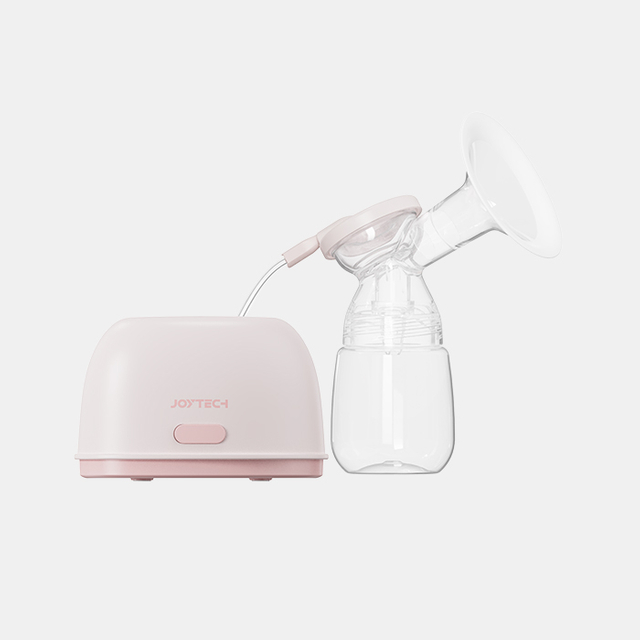
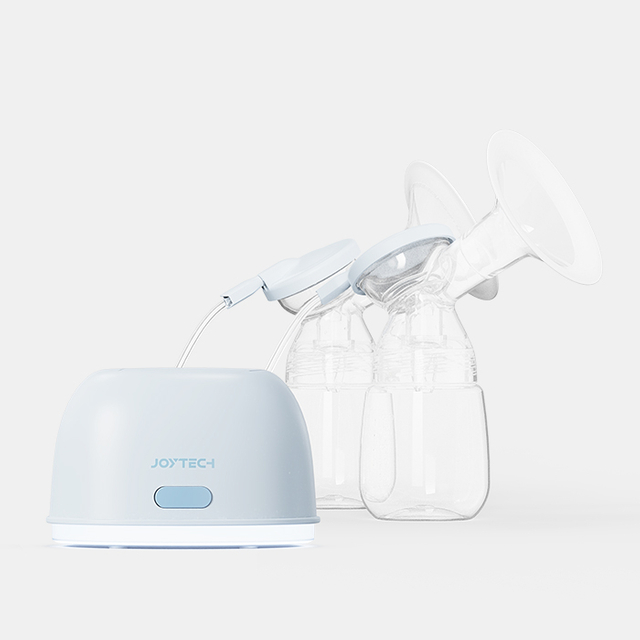
Joytech Healthcare’s ultra-quiet breast pump lines are built around this logic — two product formats designed to match the way end consumers now segment their own needs.
Designed for cost-sensitive channels and volume distribution.
• Accessible price-tier entry — same ultra-quiet motor technology in a mid-range format that fits mass-market and retail distribution
• Broader channel adaptability — optional lithium battery extends portability, matching both online and brick-and-mortar positioning
• Catalog depth without added complexity — complements the LD-208L to cover mid-range demand from the same production partner
Having both formats available from a single manufacturing partner allows OEM buyers to cover premium and mid-range segments simultaneously — with full price-tier coverage, consolidated supplier qualification, and reduced procurement coordination overhead. Sourcing from an OEM breast pump factory with ultra-quiet motor technology across both formats means buyers do not have to compromise between noise performance and product diversity. As an ultra-quiet wearable breast pump OEM supplier, Joytech enables you to build a segmented product catalog for your downstream channels while keeping supplier management streamlined.
Certifications and Customization That Scale
Partnering with a quiet breast pump manufacturer with CE MDR already in place changes the onboarding equation. OEM buyers entering the EU, North America, or other regulated markets often face months of qualification delays when onboarding a new supplier. Joytech Healthcare’s existing certifications help reduce that bottleneck — your regulatory timeline can start from product, not from factory qualification.
• EU market access — CE MDR certification enables compliant entry into the European Union under the latest Medical Device Regulation
• Quality system trust — ISO 13485 quality management provides downstream channel partners and end buyers with recognized manufacturing credibility
• Multi-market efficiency — MDSAP covers the US, Canada, Brazil, Japan, and Australia under a single audit framework, reducing the time and cost of multi-region regulatory entry
As a private label wearable breast pump manufacturer, Joytech supports configuration across both the LD-208L wearable and LD-209/309 electric lines within the same production architecture:
• Faster branding launch — color, logo, and packaging adaptation lets you bring a market-ready branded product to shelf without tooling delays
• Premium SKU extension — Bluetooth-enabled smart versions create a tiered product catalog from the same base design, capturing higher price points
• SKU tier flexibility — functional configuration by tier means you can offer basic, mid-range, and smart variants without qualifying separate production lines
For buyers evaluating a breast pump OEM supplier with Bluetooth customization capability, this means both standard and smart-enabled variants ship from the same qualified production line. This flexibility means OEM buyers can test a single SKU in one market, then scale to a full quiet-performance product line across multiple regions — without re-qualifying a new manufacturing partner at each stage.
• Faster time-to-market — 100+ R&D specialists and 100+ patents mean shorter development cycles from concept to production-ready samples
• Regulatory access built in — CE MDR, ISO 13485, and MDSAP already in place, so your product clears compliance without waiting for factory qualification
• Volume confidence — 260,000 m² production capacity and Fortune 500-level manufacturing infrastructure support scaling from trial orders to full production runs
• One supplier, full category coverage — wearable and electric ultra-quiet lines from the same qualified factory, reducing procurement complexity and vendor coordination overhead
Start the Conversation
Consumer expectations in breast pump selection are no longer general — they are precise. OEM buyers who align their sourcing with these refined standards protect market position rather than chase market size.
To request product samples, discuss MOQ and customization options, or review CE MDR documentation for the LD-208L and LD-209/309 series, contact sale14@sejoy.com.
FAQ
What ultra-quiet breast pump models are available for OEM orders?
Joytech currently offers two ultra-quiet product lines for OEM buyers: the LD-208L wearable format and the LD-209/209L/309/309L portable electric series. Both support color, logo, packaging, and functional customization including optional Bluetooth.
What certifications do these breast pump lines carry?
Joytech Healthcare holds CE MDR, ISO 13485, and MDSAP certifications. OEM buyers can enter the EU and multiple regulated markets without a separate factory qualification process.
How do I start an OEM inquiry for ultra-quiet breast pumps?
Contact sale14@sejoy.com with your target market, estimated volume, and customization requirements. Joytech’s team can provide product samples, MOQ details, and CE MDR documentation to support your sourcing evaluation.