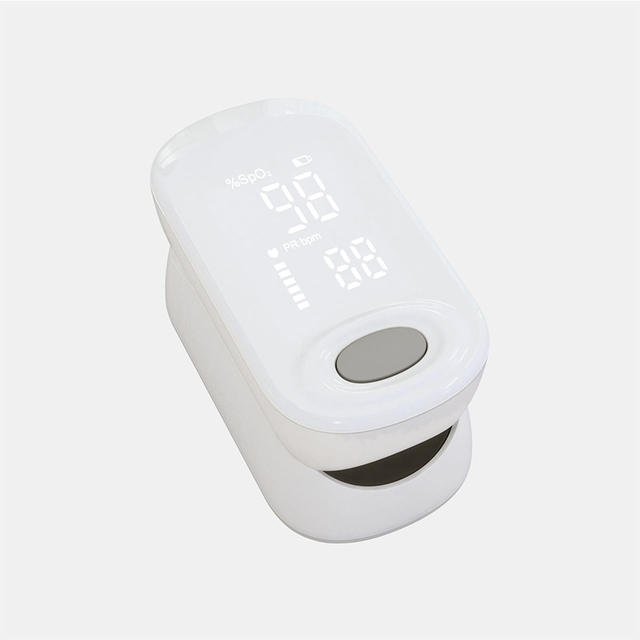
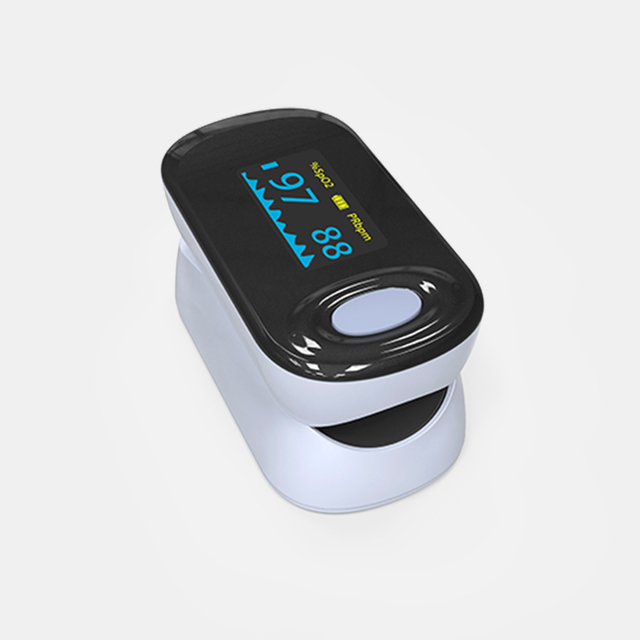
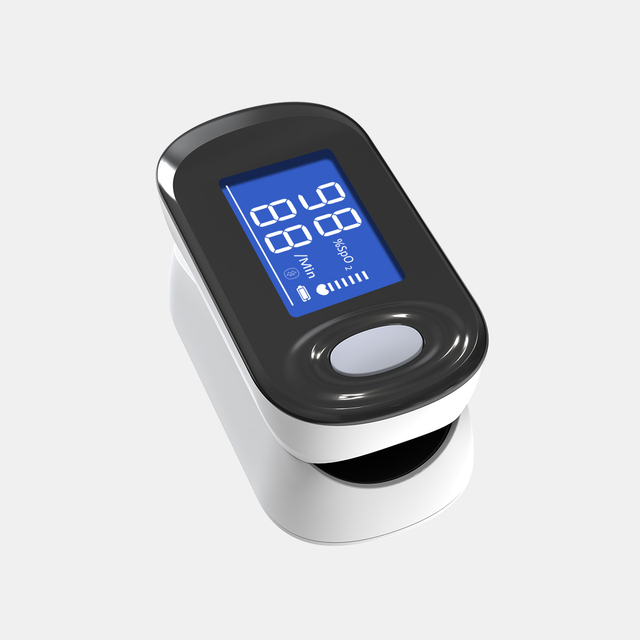
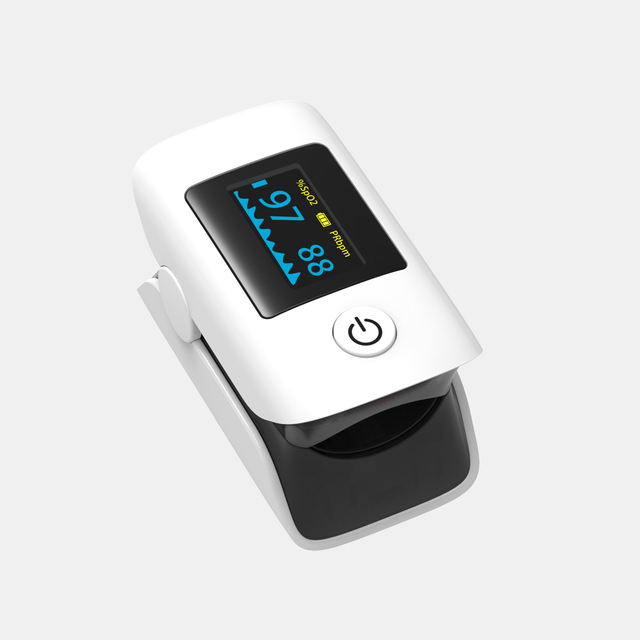
How to identify a reliable OEM/ODM partner for high-quality pulse oximeter solutions
For medical device brands, selecting a pulse oximeter supplier is not simply a matter of comparing product specifications and unit prices. The supplier behind the product plays an important role in measurement reliability, regulatory compliance, supply stability, and long-term product development.
Although pulse oximeters appear to be compact and simple devices, their performance relies on multiple factors, including sensor technology, signal processing algorithms, quality control systems, manufacturing capabilities, and continuous innovation.
For brands looking for a long-term OEM/ODM partner, the following five factors can help evaluate whether a pulse oximeter manufacturer has the technical foundation and support capabilities required for market success.
1. Regulatory Compliance and Medical Device Quality System
For global medical device brands, regulatory compliance is one of the first factors to evaluate when selecting a supplier.
A qualified pulse oximeter manufacturer should not only provide compliant products but also have experience supporting the complete product development and quality management process.
Important factors include:
ISO 13485 certified quality management system
Compliance with applicable market requirements, such as CE MDR
Design control and risk management processes
Production traceability and quality inspection procedures
A supplier with a mature quality system can help brands reduce compliance risks and improve efficiency throughout product registration and commercialization.
For example, manufacturers with experience in international markets are better positioned to understand different regulatory expectations and provide the necessary technical support for global product launches.
2. Accuracy Validation and Product Reliability
When purchasing pulse oximeters, buyers often focus on specifications such as SpO₂ accuracy and pulse rate accuracy. However, actual product performance depends on much more than the numbers listed on a datasheet.
Differences in optical components, calibration methods, signal processing algorithms, and production consistency can all influence measurement reliability.
A professional pulse oximeter supplier should have the capability to support:
Product performance verification
Signal quality evaluation
Accuracy testing under different conditions
Continuous optimization based on market feedback
For brands, working with a manufacturer that understands the technical details behind measurement performance helps ensure better product reliability and user confidence.
3. Sensor Technology and Continuous Innovation Capability
The core of a pulse oximeter lies in how effectively it captures and processes physiological signals.
Pulse oximeters use photoplethysmography (PPG) technology to analyze changes in blood volume through optical signals. The Pleth waveform, generated from the PPG signal, provides valuable information about signal quality and measurement stability.
For suppliers, capabilities in signal processing and algorithm optimization are important indicators of technical strength.
When evaluating a pulse oximeter partner, brands should consider:
PPG signal processing capability
Pleth waveform analysis
Low perfusion performance optimization
Motion interference management
Future expansion of smart monitoring functions
Meanwhile, the pulse oximeter market is continuously evolving from traditional standalone devices toward connected healthcare solutions. Features such as Bluetooth connectivity, APP integration, and digital health management functions are becoming increasingly important for brands seeking product differentiation.
A supplier with continuous R&D investment can help customers develop products that better match future market demands.
4. Manufacturing Capability and Supply Chain Reliability
For medical device products, manufacturing capability is not only about production volume. Consistent quality, stable supply, and efficient production management are equally important.
A mature manufacturer should have comprehensive systems covering:
Material quality control
Manufacturing process management
Product inspection procedures
Supply chain coordination
Production traceability
Advanced manufacturing infrastructure can further improve operational efficiency and product consistency. Automated production equipment, intelligent warehouse systems, and digital manufacturing management provide strong support for reliable delivery and scalable business growth.
With multiple manufacturing bases and more than 260,000㎡ of operational built-up area, Joytech Healthcare has established a comprehensive medical device manufacturing system to support global partners.
5. OEM/ODM Development and Long-Term Partnership Capability
For many medical device brands, the ideal supplier is not only a manufacturer but also a development partner.
Different markets may require different product designs, functions, connectivity solutions, packaging, and compliance support. Strong OEM/ODM capabilities allow brands to develop differentiated products instead of competing only on price.
Key capabilities include:
Product customization
Hardware and software optimization
Bluetooth-enabled healthcare solutions
APP connectivity support
Packaging and documentation assistance
Continuous product improvement
With more than 24 years of OEM/ODM experience and in-house R&D capabilities, Joytech Healthcare continues to support global partners in developing innovative medical device solutions.
Choosing a Pulse Oximeter Supplier for Future Growth
A successful pulse oximeter product requires more than accurate measurements. It requires a supplier with strong technical expertise, reliable quality systems, manufacturing capability, and the ability to continuously innovate.
For medical device brands, choosing the right OEM/ODM partner means building a foundation for long-term market competitiveness.
By combining regulatory experience, R&D capabilities, manufacturing expertise, and customized solutions, experienced suppliers can help brands create reliable and market-ready pulse oximeter products.
Looking for an experienced pulse oximeter manufacturer for your next project? Contact Joytech Healthcare to discuss your OEM/ODM requirements.