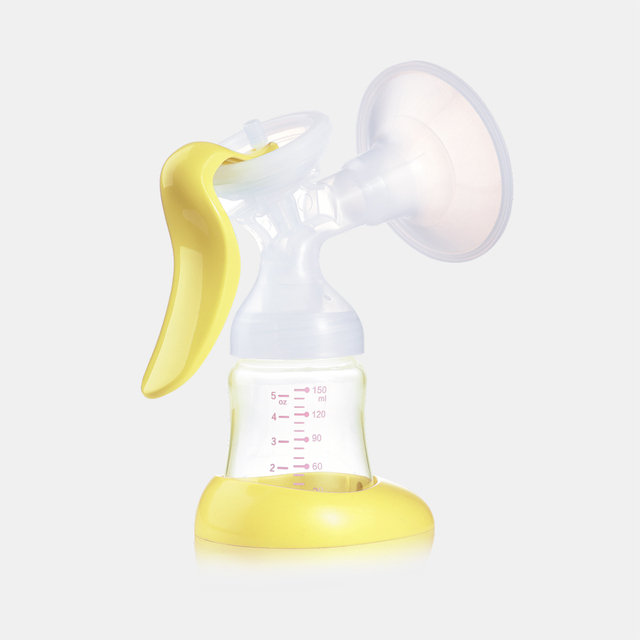
Returning to work after maternity leave introduces a harsh reality for many mothers. You constantly balance a rigid pumping schedule against the demands of shared office spaces and back-to-back meetings. Finding a private room holding a reliable electrical outlet often feels impossible.
Many rely on wearable electric pumps, hoping for a discreet solution. However, even the quietest wearables emit a low-frequency motor hum. This noise usually ranges from 40 to 50 decibels. These devices also require constant battery management. Managing cords and charges adds unnecessary anxiety to an already stressful workday.
A Portable Quiet Manual Breast Pump offers a strategic, highly reliable alternative rather than a simple gimmick. It delivers absolute mechanical silence, zero electronic dependency, and immediate physical relief. Read on to discover how integrating this tool into your daily routine transforms your return-to-office experience.
Key Takeaways
The "Combination Strategy" is optimal: A portable manual pump serves as the perfect silent backup for quick office breaks, pairing with a heavy-duty electric pump used at home.
True zero-decibel operation: Unlike electric wearables, manual pumps operate with mechanical silence, ensuring absolute discretion in bathroom stalls or thin-walled offices.
Minimalist footprint: With fewer parts and no motors, manual pumps fit into standard handbags, comply easily with TSA requirements for work travel, and take minutes to clean in a breakroom sink.
Ergonomic evaluation matters: Decision-making should prioritize one-handed operation capabilities, flange fit compatibility, and minimal part-counts.
The Workplace Pumping Dilemma: Assessing the Gaps in Electric Solutions
Modern workplaces rarely cater to the realities of nursing mothers. Relying solely on electric solutions creates undeniable logistical friction. You spend precious break minutes hunting for available outlets. Battery anxiety becomes a daily struggle. Furthermore, dragging bulky bags through the corporate lobby announces your pumping schedule to everyone. These daily hurdles slowly drain your energy and focus.
We must also address the noise factor. The American Speech-Language-Hearing Association (ASHA) defines a quiet office environment as approximately 40 decibels. Against this quiet baseline, the rhythmic hum of an electric motor stands out clearly. A wearable device might seem silent at home. However, during a quiet meeting or inside a thin-walled cubicle, that mechanical whir becomes highly detectable. This constant fear of detection causes immense anxiety for mothers seeking absolute discretion.
Finally, consider the "time-to-pumping" metric. Electric devices require elaborate setup routines. You must assemble various parts, check delicate tubes, and adjust your bra to ensure proper alignment. A manual device offers instant relief. It activates immediately for unexpected let-downs or ultra-short breaks. You skip the setup phase and maximize your actual expression time.
| | | Time-to-Pumping Metric Chart |
Pump Type | Setup Time | Dependency | Discretion Level |
Double Electric (Traditional) | 5-7 minutes | Wall outlet, specific bra | Low (High noise, bulky) |
Wearable Electric | 3-5 minutes | Charged battery | Medium (Motor hum present) |
Manual Press-Lever | < 1 minute | None | High (Silent operation) |
Core Evaluation Criteria for a Portable Quiet Manual Breast Pump
Not all manual devices offer the same level of performance. Selecting the right model requires careful attention to physical design and safety materials. You need a device built specifically for the demands of working motherhood.
One-Handed Ergonomics
True one-handed operation remains critical for any office environment. A poorly designed handle causes severe hand fatigue within minutes. You need an ergonomic lever design allowing smooth, effortless compressions. Effective one-handed use lets you answer emails, eat lunch, or simply relax your body during a 10-minute session. Always prioritize models featuring soft-touch, easy-grip handles.
Part Count and Breakroom Hygiene
Evaluate the daily cleaning burden carefully. Shared office breakrooms offer limited space and questionable hygiene standards. You want to shortlist models containing four or fewer components. Complex devices increase your risk of losing tiny valves down the office sink. Fewer parts mean faster disassembly, quicker rinsing, and stress-free maintenance.
Best Practice: Keep a dedicated small wet/dry bag in your desk. Store used parts securely until you reach a proper sink.
Common Mistake: Buying devices utilizing multiple microscopic membranes. These disappear easily during hurried washes.
Flange (Shield) Compatibility
Incorrect sizing represents the most common cause of manual pumping failure. A poor fit leads to painful nipple trauma and drastically reduces your milk output. Emphasize brands offering multiple flange sizes out of the box. Alternatively, look for systems supporting soft silicone inserts. These inserts customize the tunnel to match your exact physical measurement, optimizing suction and comfort.
Material Integrity and Safety
Safety materials cannot be overlooked. Specify the need for BPA-free, food-grade silicone and durable polycarbonate. Your equipment must withstand daily high-heat sterilization. Cheap plastics degrade quickly when boiled or steamed regularly. This degradation weakens the airtight seal and ruins suction performance over time. Quality materials ensure long-term reliability.
Manual vs. Silicone Collector: Clarifying the Solution Categories
Many new mothers confuse active manual devices and passive silicone collectors. Understanding their distinct mechanisms helps you build an effective workplace strategy. Both serve valuable purposes, but they fit entirely different scenarios.
The Press-Lever Manual Pump (Active Pumping)
This category uses a hand-operated lever to create rhythmic, active suction. You control the speed and depth of every pull. It physically mimics a baby’s nursing pattern. This active mechanism works best for fully emptying a breast during a scheduled work break. It successfully substitutes a missed electric session when you lack time or privacy.
The Silicone Collector / Suction Pump (Passive Pumping)
This category involves a single piece of molded silicone, often known as a Haakaa-style device. You attach it once, and it uses constant passive negative pressure to draw out milk. It requires no active hand pumping. This tool works perfectly for catching let-down on one side while you nurse a baby on the other. However, it only provides very light relief in an office setting.
Decision Matrix
We guide readers to choose the active press-lever model for their primary office backup. Passive collectors cannot reliably maintain your supply on their own. They lack the dynamic stimulation needed to fully empty the milk ducts.
| | Active vs. Passive Device Comparison |
Feature | Press-Lever (Active) | Silicone Collector (Passive) |
Mechanism | Dynamic, user-controlled suction | Constant, static negative pressure |
Primary Office Use | Emptying breasts during quick breaks | Relieving slight engorgement only |
Supply Maintenance | High effectiveness | Low effectiveness |
Discretion | High (Fits under nursing covers) | Medium (Often protrudes outward) |
The "Combination Strategy": Implementing Your Manual Pump at Work
Relying exclusively on one method rarely fits the chaotic reality of working motherhood. A balanced approach protects your milk supply while preserving your mental health. International Board Certified Lactation Consultants (IBCLCs) frequently recommend blending different tools for optimal results.
Mitigating Supply Risks
We must transparently acknowledge the physical reality. Active manual tools require physical effort. They may not yield as much volume as a double-electric hospital-grade machine for some women. Using only a manual device all day could potentially impact your supply long-term. Therefore, it functions best as a supplementary tool rather than a complete replacement for heavy-duty extraction.
The Pair-and-Protect Routine
Implementing a tactical blueprint solves this issue perfectly. The "Pair-and-Protect" routine blends efficiency and deep extraction seamlessly.
Morning Commute: Feed your baby directly or use your main electric device at home.
Mid-Morning Break: Grab your Portable Quiet Manual Breast Pump for a fast, discreet 10-minute session. Address sudden fullness quietly.
Lunch Hour: Utilize your primary double-electric machine for a full 20-minute deep emptying session.
Mid-Afternoon Break: Return to the manual tool for another quick, silent relief session between meetings.
Evening Return: Nurse directly or use the heavy-duty machine immediately upon returning home.
Storage & Transport Logistics
Integrating these tools into your daily commute requires smart logistics. You want to avoid carrying massive bags onto crowded trains.
Use a specialized wet/dry bag for used components. This prevents leaks inside your professional tote.
Carry a small, insulated cooler bag packing compact ice packs.
Store your expressed milk immediately in the office fridge. Clearly label your bottles to avoid workplace confusion.
Keep pump wipes handy for quick mid-day cleaning when you cannot access a sink.
Conclusion
A high-quality manual device stands as a low-risk, high-reward investment for working mothers. It successfully removes the persistent stress of dead batteries, tangled cords, and noisy motors. You regain control over your schedule, finding instant physical relief exactly when you need it.
Before purchasing, check your current primary electric brand first. Finding cross-compatibility between bottles and flanges saves significant money and reduces clutter. Next, verify the total part count. Finally, ensure the handle design specifically supports comfortable, one-handed use.
Take action today by reviewing brand sizing guides. Compare top-rated ergonomic models to secure the perfect fit. Protecting your milk supply at work becomes drastically easier when you equip yourself with the right silent backup tool.
FAQ
Q: Will using a manual breast pump decrease my milk supply?
A: Not if used correctly as part of a combination strategy. Consistent removal of milk dictates supply. However, if a manual pump doesn't empty you efficiently, rely on it for short intervals and use an electric pump for primary sessions.
Q: How long should a manual pumping session take at work?
A: Typically 6 to 10 minutes per side. Stimulate the let-down with quick, shallow pumps first, then transition to long, deep presses once milk flows.
Q: Can I take a manual breast pump on an airplane for work trips?
A: Yes. Because they contain no electronic components or lithium-ion batteries, manual pumps are completely TSA-friendly, easy to pack, and can be used discreetly in airplane lavatories.
Q: How do I clean my manual pump in a shared office?
A: For mid-day use, rinse with cold water to remove milk fat, wash with mild soap if available, or use specialized breast pump cleaning wipes. Store in a breathable bag until a thorough sterilization can be done at home.