When purchasing pulse oximeters for your distribution network or brand, what factors drive your decision? Most suppliers focus on the obvious metrics: cost and profit margin, certifications (CE MDR, FDA clearance), product design, and packaging customization options. These are all important. But there's one dimension that often gets overlooked—audio feedback capability.
In the pulse oximeter market, it is common for procurement decisions to center on quantifiable specifications and regulatory status. Functional characteristics that contribute to user experience—such as audio feedback capability—are sometimes not given equivalent weight during product evaluation. This article examines why SpO2 monitor audio feedback feature functionality is worth considering as part of your purchasing criteria, with reference to Joytech Healthcare's XM series as a pulse oximeter audio feedback manufacturer China.
The User Experience Gap in Today's Pulse Oximeter Market
One factor that can be easy to overlook during procurement is end-user familiarity with pulse oximetry readings. Many end users may not know what constitutes a normal SpO2 range, what triggers concern, or when to seek medical guidance. This knowledge gap is not addressed by product certification alone.
Consider a typical scenario: a user takes a reading and sees a number on the screen. If that number is abnormal—perhaps indicating lower-than-normal oxygen saturation—the user must interpret what this means based on their own understanding. Without explicit guidance from the device, it's possible the user may not immediately recognize the clinical significance of the reading, or may not know what action to take in response. The device has captured the data, but the communication of that data relies entirely on the user's ability to interpret the screen display.
This observation points to a design opportunity: devices that communicate information through multiple channels—both visual and audio—rather than relying solely on display screens.
How Audio Feedback Closes This Gap
A SpO2 monitor audio feedback feature provides an additional communication pathway. When a pulse oximeter is equipped with audio feedback capability—such as a sound or tone that activates when abnormal values are detected—the device delivers information through more than one modality.
Here's what this means for your supply chain:
When a user receives an audio cue, they receive immediate notification that abnormal values have been detected. The signal is clear: abnormal data has been identified. Rather than relying solely on the user to monitor the display screen, the device is designed to provide notification when specific conditions are detected. This dual-channel approach is designed to indicate when abnormal readings are detected.
For end users, audio feedback serves as an additional reference point. Users may receive notification when abnormal values are detected, rather than relying only on their own interpretation of a screen display. This can be valuable for users who may not be familiar with clinical data interpretation. The audio feedback is intended to make device output clearer and more accessible.
From a product positioning standpoint, this feature is often overlooked in procurement discussions focused on cost, design, and certifications. However, the presence of audio feedback capability may be worth evaluating as part of your overall product assessment.
What Distributors Should Consider When Purchasing
Your procurement checklist typically includes several key dimensions:
• Customization options for packaging and private labeling
• Supply chain reliability and lead times
These remain important. But if you're positioning yourself as an XM pulse oximeter audio feedback distributor in a competitive market, the presence and quality of audio feedback functionality may be worth adding to your evaluation criteria.
From a product design standpoint, audio feedback is one approach to making device output more accessible to end users. A device equipped with audio feedback provides information through multiple channels—visual display and audio notification—rather than relying only on screen display interpretation. This functional capability can be a consideration when comparing product alternatives.
For OEM and ODM partners specifically, audio feedback functionality may be a relevant feature to evaluate when developing a branded product line. If you're building a portfolio designed for users who value clear, multi-modal feedback from their monitoring devices, this capability is worth assessing.
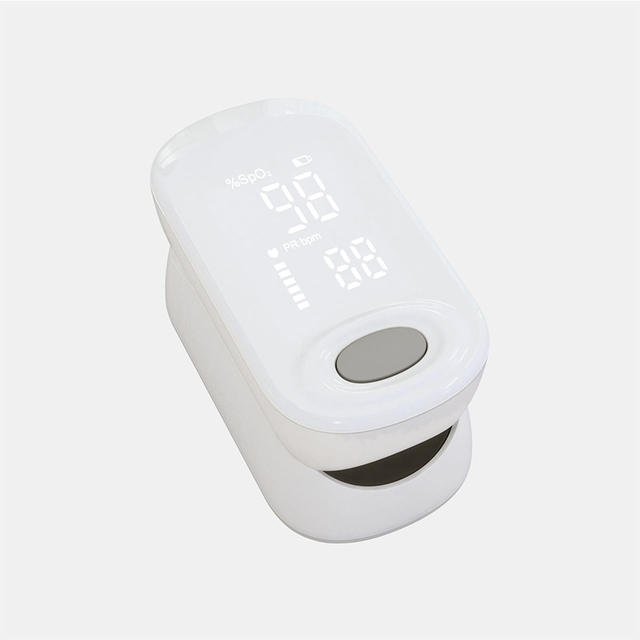
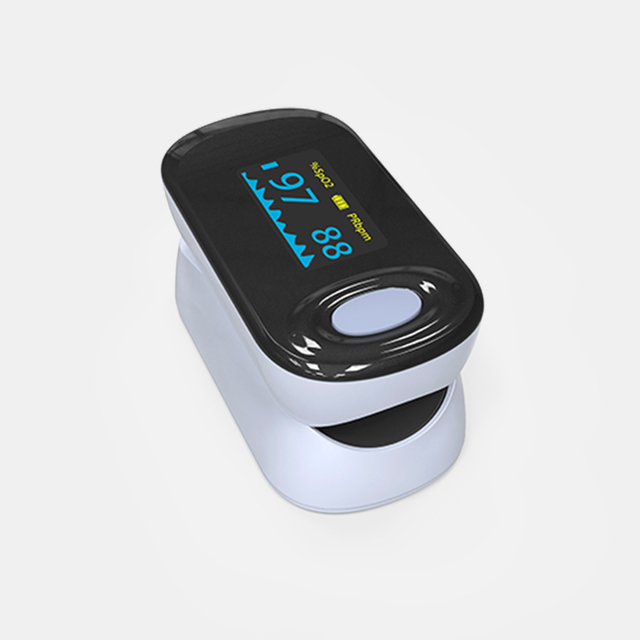
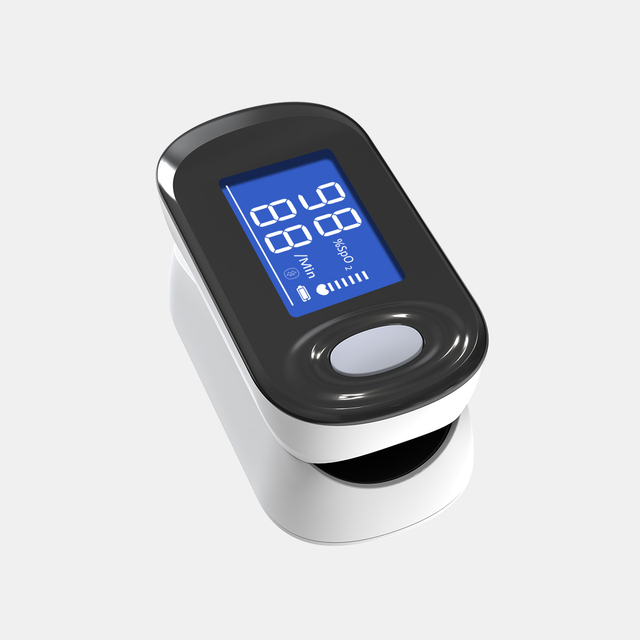
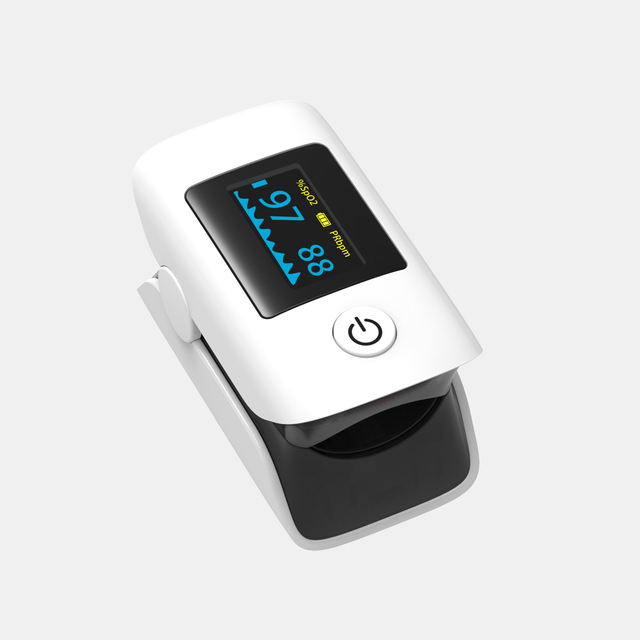
Joytech's XM series includes select models equipped with audio feedback technology. The XM-111, for example, is designed to provide audio notification when abnormal values are detected, delivering information to the user through an audible signal in addition to the display.
Audio feedback is a functional design element intended to enhance device accessibility. Users who may not be focused on the screen display, or who may not be familiar with clinical data interpretation, may receive notification when abnormal readings are detected. The feature is designed to make monitoring more straightforward and transparent.
When evaluating products for your distribution network, audio feedback capability is a functional specification worth assessing alongside other performance characteristics.
Partner with Joytech for Your Pulse Oximeter Needs
Joytech Healthcare, as an ISO 13485-certified pulse oximeter supplier, understands that every distributor and brand partner has unique market positioning and customer needs. Whether you're sourcing finished products for retail distribution or developing your own branded product line, we're positioned to support your business.
Our XM series includes models equipped with audio feedback functionality—such as the XM-111—designed to provide an audible indication when abnormal values are detected. We welcome OEM and ODM partners who recognize that user-centered design features like audio feedback are worth evaluating when positioning their product portfolios.
If you're evaluating pulse oximeters and want to learn more about our audio feedback-enabled models, or if you're interested in OEM/ODM collaboration opportunities, contact our sales team at sale14@sejoy.com.