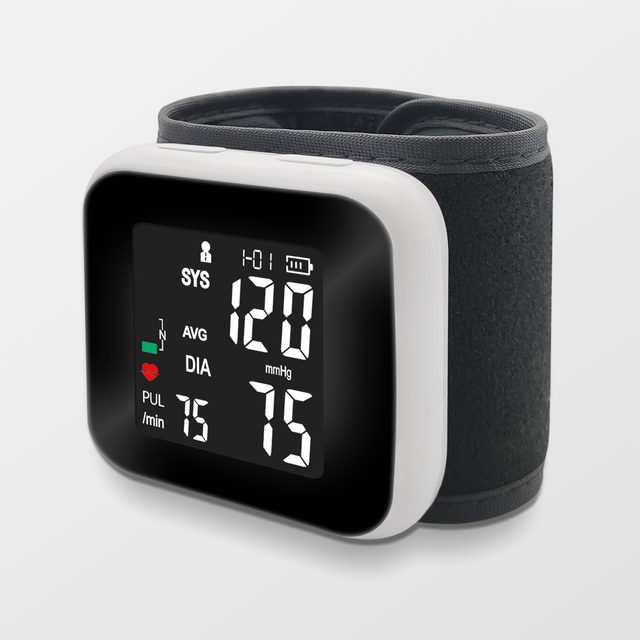
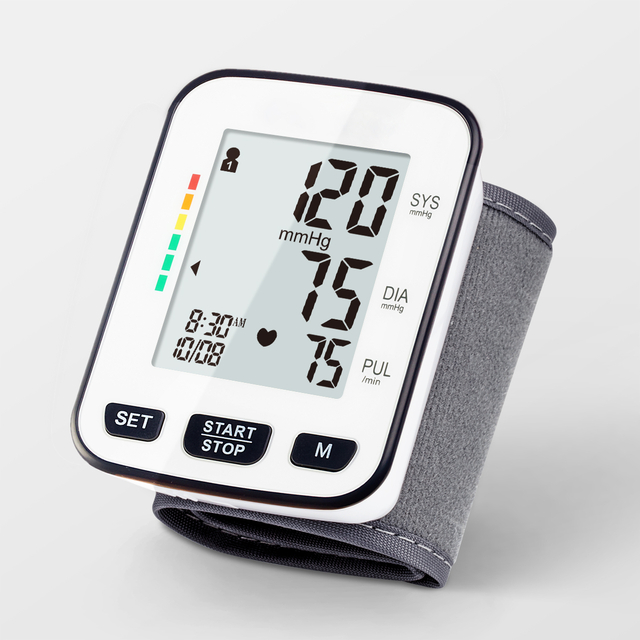
Understanding how people start their mornings is more than a lifestyle tip—it’s a critical factor in blood pressure monitoring and management. Morning blood pressure fluctuations are well-documented, and abrupt transitions from lying down to standing can temporarily stress the cardiovascular system. For professionals designing or recommending monitoring solutions, recognizing these physiological patterns is essential for accurate measurements and user guidance.
Why Morning Habits Matter
During sleep, heart rate slows and blood vessels relax. Upon waking, the body rapidly shifts from a low-demand state to active circulation. Sudden movements can trigger:
Transient spikes in blood pressure
Dizziness or lightheadedness
Postural hypotension in vulnerable users
For middle-aged adults, people with chronic conditions such as hypertension or diabetes, and individuals with irregular sleep schedules, these transitions carry a higher physiological risk. Understanding these nuances helps ensure monitoring is meaningful and data interpretation is reliable.
Key Considerations for Different User Groups
Older adults and chronic disease patients Vascular elasticity and autonomic responses decline with age or disease, making gradual postural changes crucial for stability.
Shift workers or irregular sleepers Circadian disruption combined with early-morning temperature stress can lead to excessive vascular constriction. A staged wake-up reduces strain.
Men with prostate concerns Prompt and calm bladder emptying minimizes vagus nerve overstimulation, reducing risk of dizziness or fainting when standing.
Users with depressive tendencies Exposure to natural light and mild movement shortly after waking supports both emotional and physiological activation, ensuring consistent blood pressure readings.
A Progressive Wake-Up Method
A structured, gradual approach allows the cardiovascular system to adapt smoothly. Professionals often recommend the following sequence to optimize morning stability and measurement reliability:
Awake but Resting (≈2 minutes) Stay lying flat, taking several slow, deep abdominal breaths. This gently activates circulation and oxygenation.
Warming Up Under the Covers (≈3 minutes) Flex and extend hands and feet, gently stretch ankles. Promotes peripheral blood flow for safer posture changes.
Sitting Up Slowly (≈3 minutes) Roll to the side and use your elbow to support yourself while sitting at the edge of the bed. Pause briefly to let cardiovascular adjustments occur.
Standing Gradually (≈2–3 minutes) Place both feet on the floor, observe for stability, then stand slowly. If dizziness occurs, remain seated until resolved.
Implications for Monitoring and Device Design
Recognizing these morning patterns is critical when interpreting home blood pressure measurements or designing devices and user instructions. Gradual wake-up routines can lead to more consistent readings, improving both clinical relevance and user confidence.