A shipment clears the factory, passes inspection, and arrives at the destination — only to be held at customs because a single certification doesn’t match the local requirement. For brands and distributors sourcing medical devices from China, this is not a hypothetical scenario. It is among the most common — and costliest — sourcing mistakes in cross-border medical device trade.
Most of these problems trace back to one decision: choosing a supplier without fully verifying its certifications, quality systems, and capacity to serve your specific markets. This article breaks down what to check, why it matters commercially, and how an established manufacturer like Joytech Healthcare addresses each of these requirements.
Which Buyers This Matters Most To
The stakes look different depending on who’s sourcing — but the underlying need is the same.
• Distributors importing into regulated markets need certifications that match each destination’s rules — a mismatch can stall an entire shipment at customs.
• Brand owners protecting their brand image need a manufacturer whose quality system they can trust — because it is the brand owner’s name on the product, not the manufacturer’s. Quality issues that reach the end user tend to reflect on the brand, not on the factory behind it.
• OEM/ODM buyers commissioning custom programs need a partner that can sustain volume and documentation across a multi-year relationship, not just a single run.
Different priorities, but ideally they all start from the same place: verify a supplier’s capability before committing.
Why Supplier Credentials Decide Your Market Access
Before price or lead time, confirm whether a manufacturer’s credentials actually hold up. A device’s route to each market depends on certifications that don’t transfer automatically — what clears one region may need separate assessment in another. Three dimensions matter most, and each one can influence your bottom line:
• Consistent product quality — helps protect margins and reduce returns. A manufacturer operating under a quality management system like ISO 13485 controls its processes at the company level, so output stays predictable across production runs. For buyers, that may help reduce defective units reaching end customers, lower complaint rates, and limit margin lost to returns.
• Multi-market readiness — more revenue channels, faster time to shelf. Market-specific certifications determine where your products can legally be sold. CE MDR certification supports access to the European market, while FDA 510(k) clearance (for applicable models) supports access to the U.S. market. MDSAP provides a single audit framework recognized by regulatory authorities in five jurisdictions, helping manufacturers streamline quality management compliance across multiple markets. Without the appropriate certifications and approvals, bringing products to market can be delayed.
• Reliable supply — helps keep shelves stocked and customers coming back. A manufacturer with the production capacity, patents, and engineering depth to deliver consistently over years — not just fulfill a single order — can support more predictable lead times, help reduce stockouts, and give your business more room to grow.
Joytech Healthcare has been manufacturing medical devices since 2002 and now exports to more than 150 countries. Its product range covers blood pressure monitors, breast pumps, compressor nebulizers, fingertip pulse oximeters, and clinical thermometers. For buyers sourcing medical devices from China, that means a supplier positioned to handle the documentation, certification, and production consistency that multi-market trade requires.
• May help reduce returns and protect brand reputation — Joytech operates under an ISO 13485 quality management system at the company level. Buyers can request and audit this documentation directly, confirming batch-to-batch consistency before committing.
• Positioned to support market access across multiple regions — Joytech’s product lines carry CE MDR for the European market, FDA 510(k) clearance for select models in the United States, and MDSAP certification covering five regulatory jurisdictions. Buyers can confirm coverage against the exact products and regions they plan to serve.
• Built to support long-term supply partnerships — With more than 260,000 square meters of production capacity, over 100 patents, and a research team of more than 100 specialists, Joytech supports multi-year programs — giving partners access to multiple categories through one qualified source.
What Joytech Manufactures
Joytech Healthcare’s product range covers five core medical device categories:
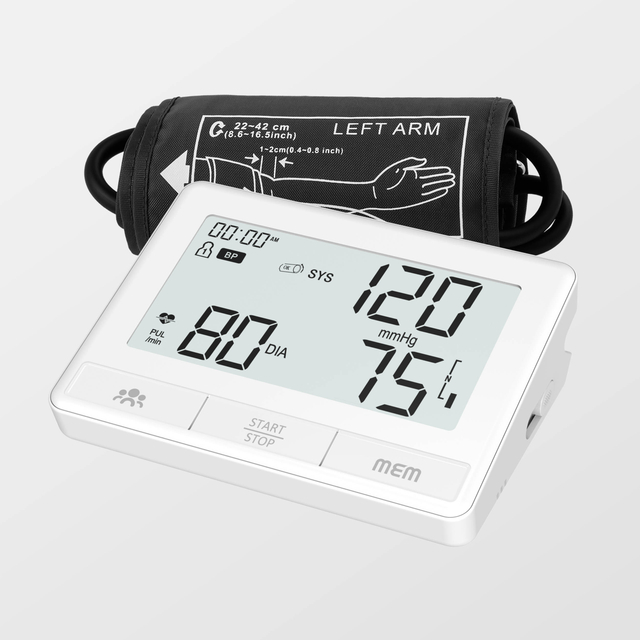
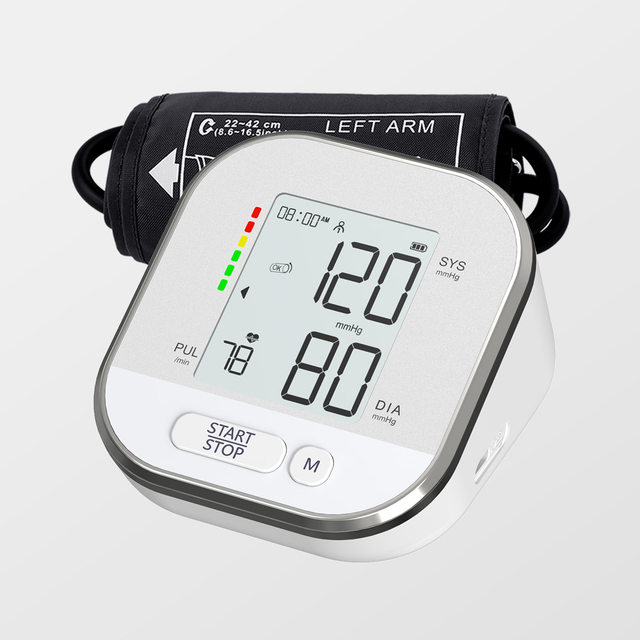
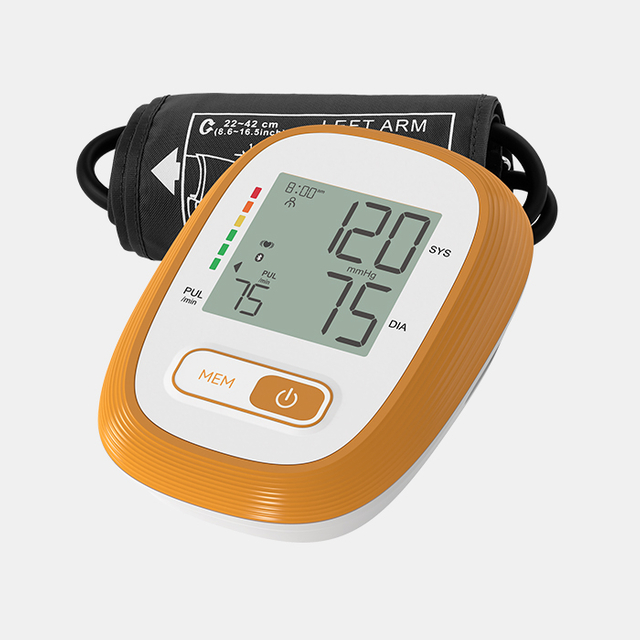
• Blood pressure monitors — multiple connectivity options (Bluetooth, Wi-Fi, 4G) let buyers match SKUs to different sales channels and market requirements.
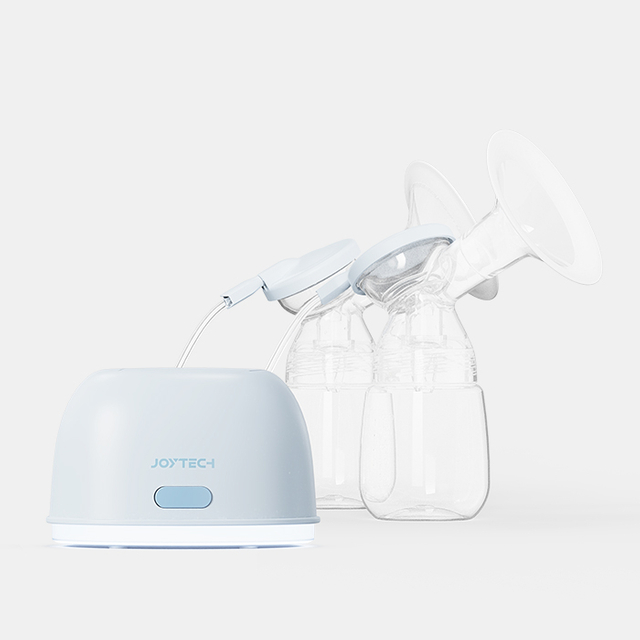
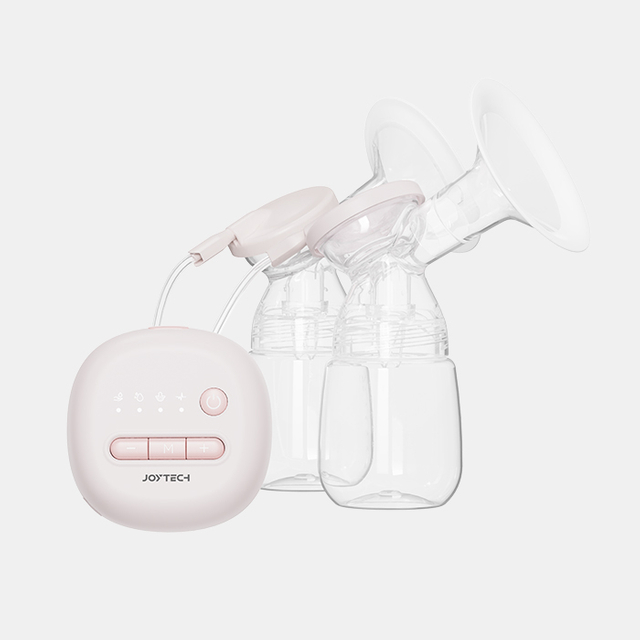
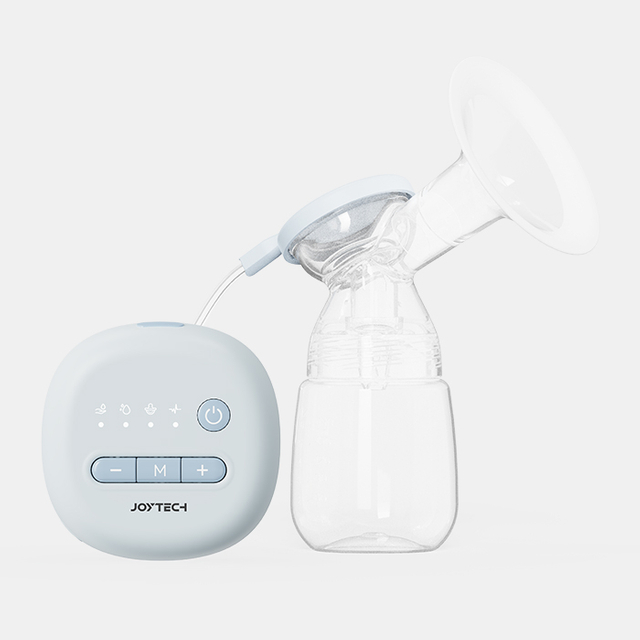
• Breast pumps— wearable, electric, and manual models. Ultra-quiet operation across key models is designed to help reduce end-user complaints and return rates.
• Compressor nebulizers— adult and child-friendly designs, helping buyers serve a wider customer base with fewer SKUs.
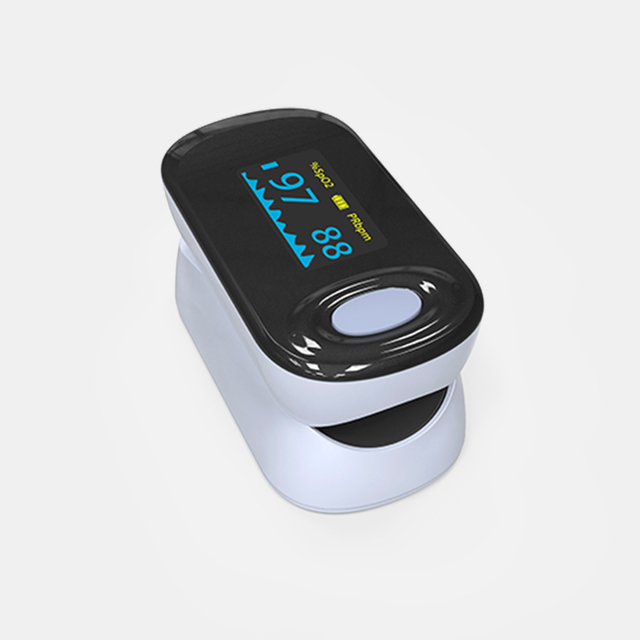
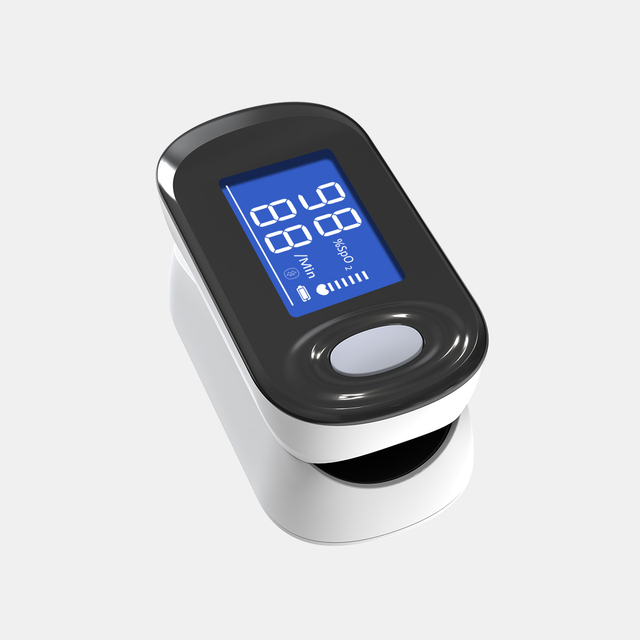
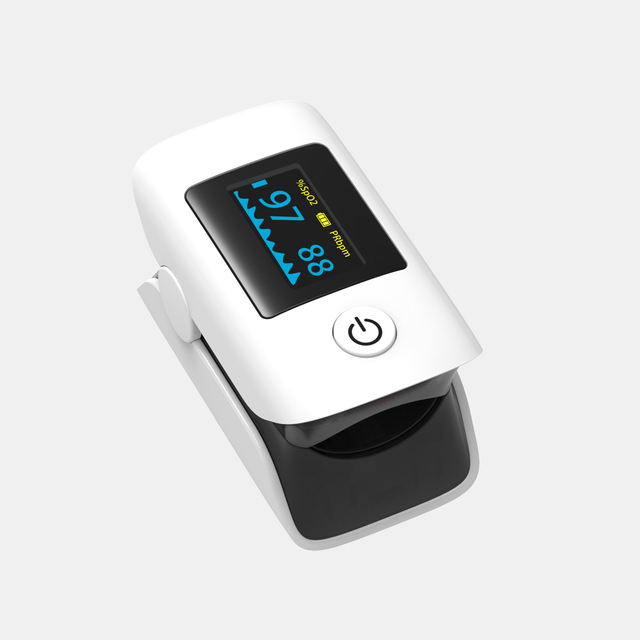
• Fingertip pulse oximeters— Bluetooth and non-Bluetooth SKU configurations for flexible channel positioning.
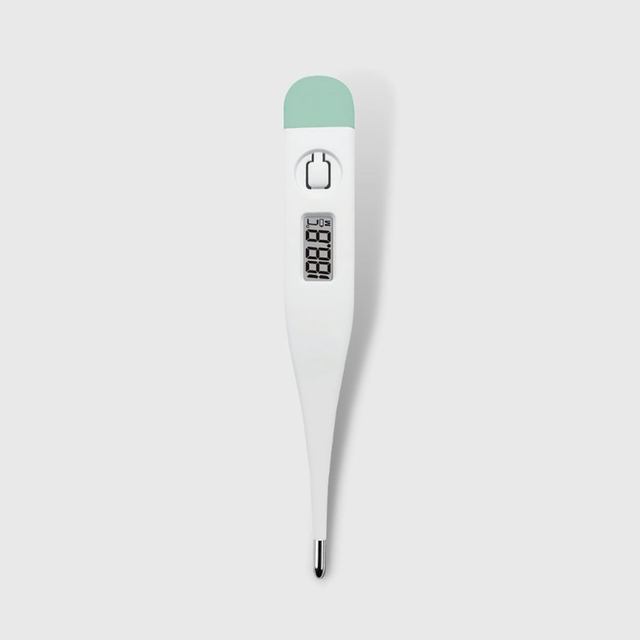
• Clinical thermometers— multiple form factors across pediatric, adult, and whole-family positioning, giving buyers flexibility to build a broader product assortment from one supplier.
All product lines are available for OEM, ODM, and private-label partnerships.
Ready to Source with us?
Whether you are a distributor, brand owner, or OEM/ODM buyer, the right manufacturing partner can help simplify compliance, protect your brand, and support your growth across markets. To get started with Joytech Healthcare, reach out at sale14@sejoy.com. Buyers can request:
• ISO 13485 certificate and quality system documentation
• CE MDR and FDA 510(k) clearance status for applicable product models
• MDSAP certification details and covered jurisdictions
• Product specifications, MOQ, and OEM/ODM customization options
• Factory audit arrangements or virtual facility tours
FAQ
What certifications should buyers verify when sourcing medical devices from China?
Key credentials include ISO 13485 (a company-level quality management standard), CE MDR (product-level, for the European market), FDA 510(k) clearance (model-level, for the United States, covering select products), and MDSAP (a single-audit framework recognized across five jurisdictions). Each serves a different regulatory purpose, so buyers should confirm coverage for their specific products and destinations.
Does a single certification cover all export markets?
No. Regulatory approvals are market- and often model-specific. A certification valid in one region does not automatically authorize sale in another. Frameworks like MDSAP can help streamline multi-market access, but buyers should still verify each target market independently.
How does sourcing from an established manufacturer reduce risk?
A supplier with verifiable quality systems, broad market certifications, and sustained production capacity may help buyers avoid compliance rework, shipment delays, and market-access obstacles — lowering both cost and risk across the sourcing relationship.